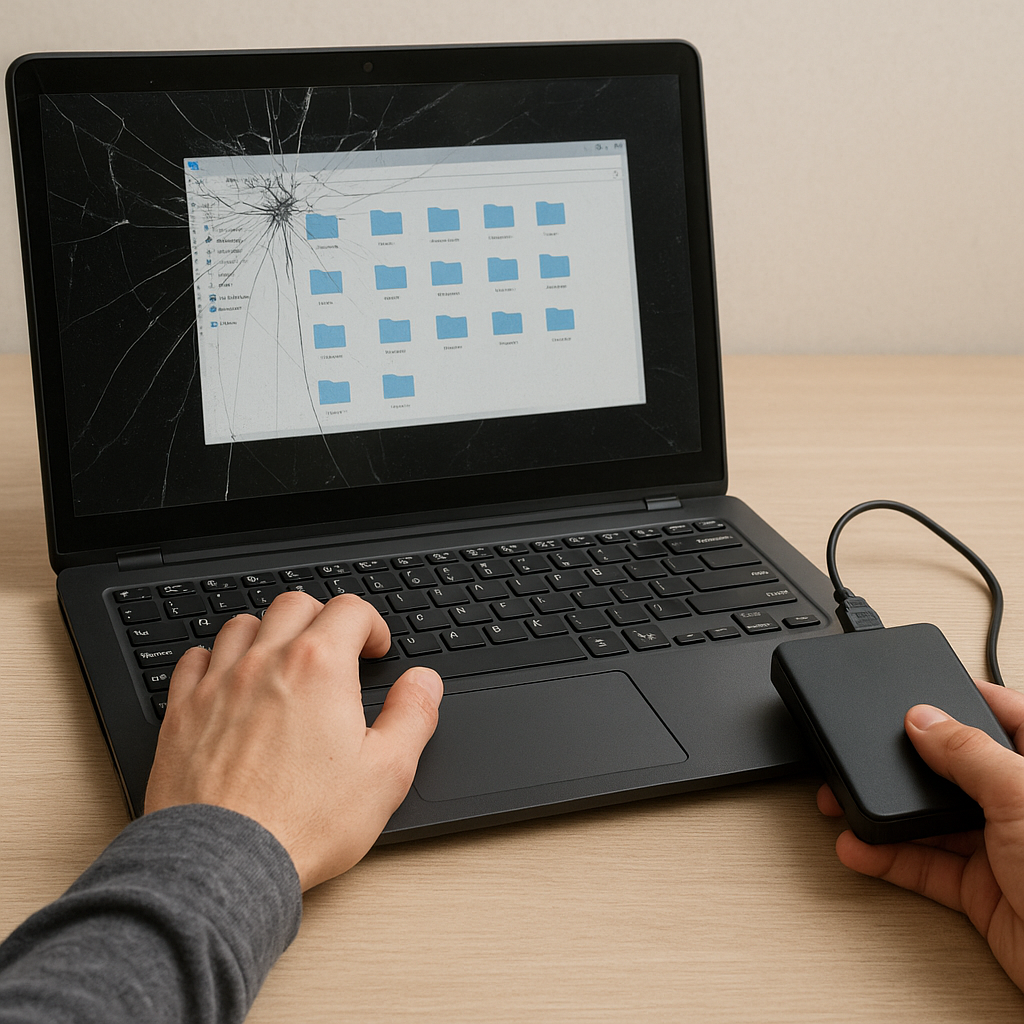
Losing work in the middle of a presentation can feel like nightmarish chaos. Whether you accidentally closed your file without saving or encountered a sudden system crash, there are multiple ways to recover your crucial slides. This article explores how to retrieve unsaved PowerPoint files, examines built-in features and third-party software solutions, and provides practical strategies to avoid future headaches.
Understanding the Root Causes of Data Loss
Before diving into recovery methods, it helps to recognize how data loss happens in PowerPoint:
- User error – forgetting to click Save or hitting “Don’t Save” by mistake.
- Application crashes – sudden shutdowns or freezes when AutoRecover is disabled or misconfigured.
- System failures – blue screens, power outages, or hardware malfunctions interrupting work.
- Corrupted files – virus attacks or faulty installations that damage your PPTX package.
Understanding these scenarios prepares you to take immediate action and leverage the right recovery tool for your situation.
Leveraging Built-in PowerPoint Recovery Features
AutoRecover Function
PowerPoint’s autosave and AutoRecover features are lifesavers when enabled properly:
- Go to File > Options > Save.
- Ensure “Save AutoRecover information every X minutes” is checked and set to a low value (e.g., 5 minutes).
- Verify the AutoRecover file location to know where temporary copies are stored.
If PowerPoint crashes, relaunching the program often triggers a Document Recovery pane showing unsaved versions. Simply click the version you need and hit Save As to preserve it permanently.
Recovering from Temporary Files
When AutoRecover fails, your system may still hold a copy in the temporary folder:
- Navigate to C:Users
AppDataLocalMicrosoftOfficeUnsavedFiles. - Search for PPT or ASD files created around the time of the crash.
- Open them in PowerPoint and immediately save to a preferred directory.
These temporary files often contain the last working snapshot of your presentation, ready for rescue.
Third-Party Recovery Software Solutions
When built-in methods fall short, many dedicated recovery tools offer advanced scanning and repair:
- Stellar Repair for PowerPoint: Repairs corrupted PPTX and extracts embedded media and master slides.
- EaseUS Data Recovery Wizard: Recovers deleted or formatted presentations from various storage devices.
- Disk Drill: Scans for lost files across hard drives, SSDs, and USB flash drives with a user-friendly interface.
Key Features to Look For
- Preview function to confirm file integrity before recovery.
- Support for multiple file formats (PPT, PPTX, PPSX).
- Deep scan vs. quick scan options for thorough searches.
Investing in reliable recovery software can save time and frustration when digital disasters strike.
Implementing Best Practices to Safeguard Future Projects
Consistent habits and preventive measures drastically reduce the risk of lost presentations:
- Enable AutoRecover and set Save intervals to 1–3 minutes for minimal work loss.
- Use cloud storage solutions (OneDrive, Google Drive) with automatic syncing and version history.
- Create manual backup copies before major edits or presentations.
- Regularly update PowerPoint and your operating system to patch bugs that cause crashes.
- Maintain separate local and cloud repositories to cover both hardware and network outages.
Combining these precautions with prompt recover actions ensures you stay ahead of potential setbacks.
Advanced Tips for Enterprise Environments
In corporate or educational settings, centralized policies can streamline recovery and prevention:
- Enforce group policies that lock AutoRecover parameters for all user installations.
- Deploy managed backup solutions that snapshot user data hourly.
- Integrate SharePoint or Teams for collaborative editing and version control.
- Provide training sessions on recognizing warning signs of file corruption and immediate response steps.
These organizational strategies help IT departments minimize downtime and maintain productivity across the board.