Accidental deletion of important documents can lead to significant setbacks, especially when dealing with crucial PDF files. This comprehensive guide explores effective methods to recover your lost documents, highlighting essential steps and reliable tools to restore access to your data. Emphasis is placed on choosing the right software, understanding the underlying algorithm technologies, and ensuring the highest level of file integrity during the recovery process.
Assessing the Situation
Understanding PDF File Deletion
When a PDF file is deleted, most operating systems simply mark the occupied space as available without immediately erasing the actual data. The file’s directory entry is removed, making it invisible to the user, but the raw content remains on the storage medium until overwritten. To successfully recover such a file, it’s crucial to act swiftly, preventing new data from occupying the freed space. Awareness of how your file system handles deletion is the foundation for a successful recovery process.
Immediate Steps to Take
- Avoid saving new files or installing applications on the affected drive.
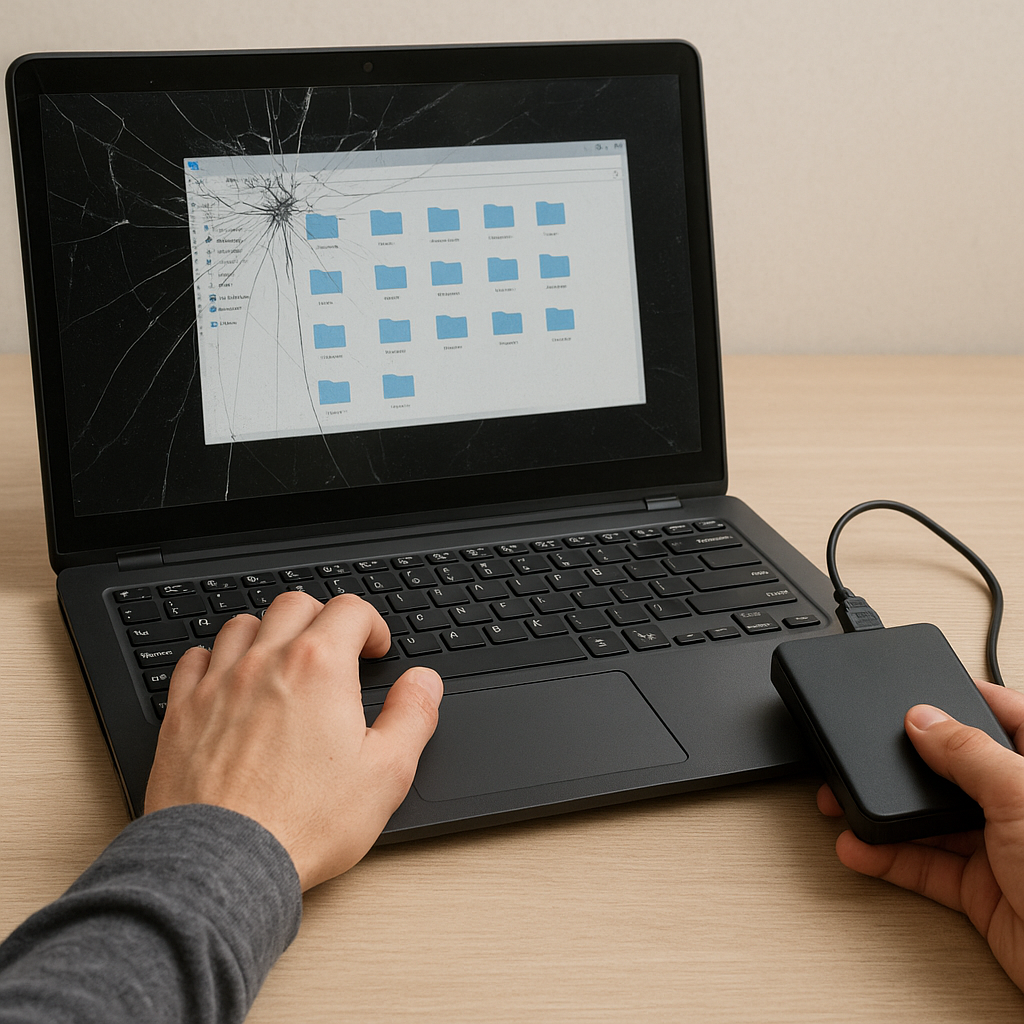
- Disconnect external drives to prevent automatic backups or syncs from overwriting deleted content.
- Document the filename, approximate size, and last known folder location to narrow down scanning parameters later.
- Consider using a dedicated recovery environment, such as a bootable USB, to minimize further write operations.
Selecting the Right Recovery Software
Key Features to Look For
Not all recovery tools are created equal. When evaluating options, prioritize solutions that offer the following capabilities:
- Deep scan modes that search for file signatures and remnants of directory structures.
- Preview functionality to verify the content of recovered items before committing to restoration.
- Support for a wide range of file systems (NTFS, FAT32, exFAT, HFS+, EXT4) to match your storage environment.
- Efficient handling of large volumes and complex directory hierarchies.
- Clear indications of recovery success rate and file health.
Top Tools on the Market
- Recuva: A user-friendly option offering both quick and deep scan modes.
- EaseUS Data Recovery Wizard: Renowned for its intuitive interface and robust metadata reconstruction.
- Disk Drill: Provides advanced features like drive backup and byte-to-byte cloning.
- R-Studio: A professional-grade utility with network recovery capabilities.
- PhotoRec: Open-source software excelling at signature-based recovery across numerous file types.
Performing the Recovery Process
Scanning and Previewing Lost Files
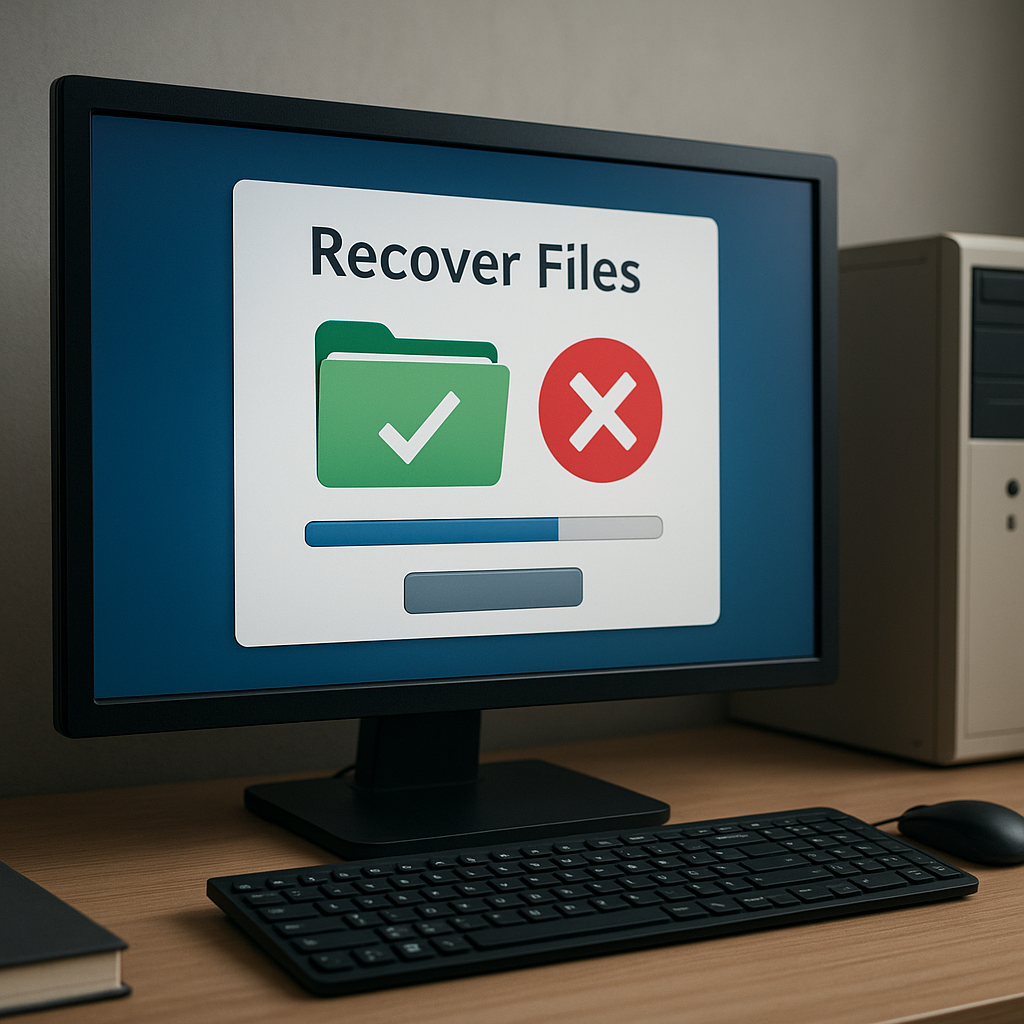
Once the recovery tool is installed (preferably on a different drive), initiate a thorough scan. Depending on the size of your disk and the chosen method—quick versus deep—the process can take anywhere from a few minutes to several hours. During this phase, the software will analyze the drive’s sectors, searching for known PDF signatures and fragments.
After the scan completes, use the built-in preview feature to inspect each candidate file. This step helps verify whether the recovered document is intact, contains readable text, and retains embedded images and interactive forms. By previewing before restoration, you avoid cluttering your recovery directory with corrupted or irrelevant files.
Advanced Recovery Methods
In cases where standard recovery fails, consider these advanced strategies:
- Disk Imaging: Create a sector-by-sector clone of the affected drive to work on a copy, preserving the original state.
- Raw Signature Search: Employ algorithms that detect uncommon PDF structures, useful when directory entries are severely damaged.
- File Carving: Reassemble fragments based on known header and footer patterns, particularly helpful for partially overwritten files.
- Hex Editing: For experts, manual reconstruction using a hex editor can salvage data by merging uncorrupted segments.
Preventing Future Data Loss
Implementing a Robust Backup Strategy
No recovery tool can replace a solid backup plan. Incorporate the following best practices:
- Regularly back up to multiple media types—external drives, cloud services, and network-attached storage.
- Automate backups on a schedule to minimize human error.
- Verify backup integrity periodically by performing test restoration exercises.
- Encrypt sensitive backups to ensure data security and compliance with privacy regulations.
Leveraging File System Features
Modern file systems and operating systems offer built-in safeguards that can reduce the risk of deletion-induced data loss:
- Enable system restore points or shadow copies on Windows to recover previous versions of files.
- Use Time Machine on macOS, which maintains hourly, daily, and weekly snapshots.
- Adopt journaling file systems like NTFS or EXT4, which log transactions to facilitate recovery after crashes.
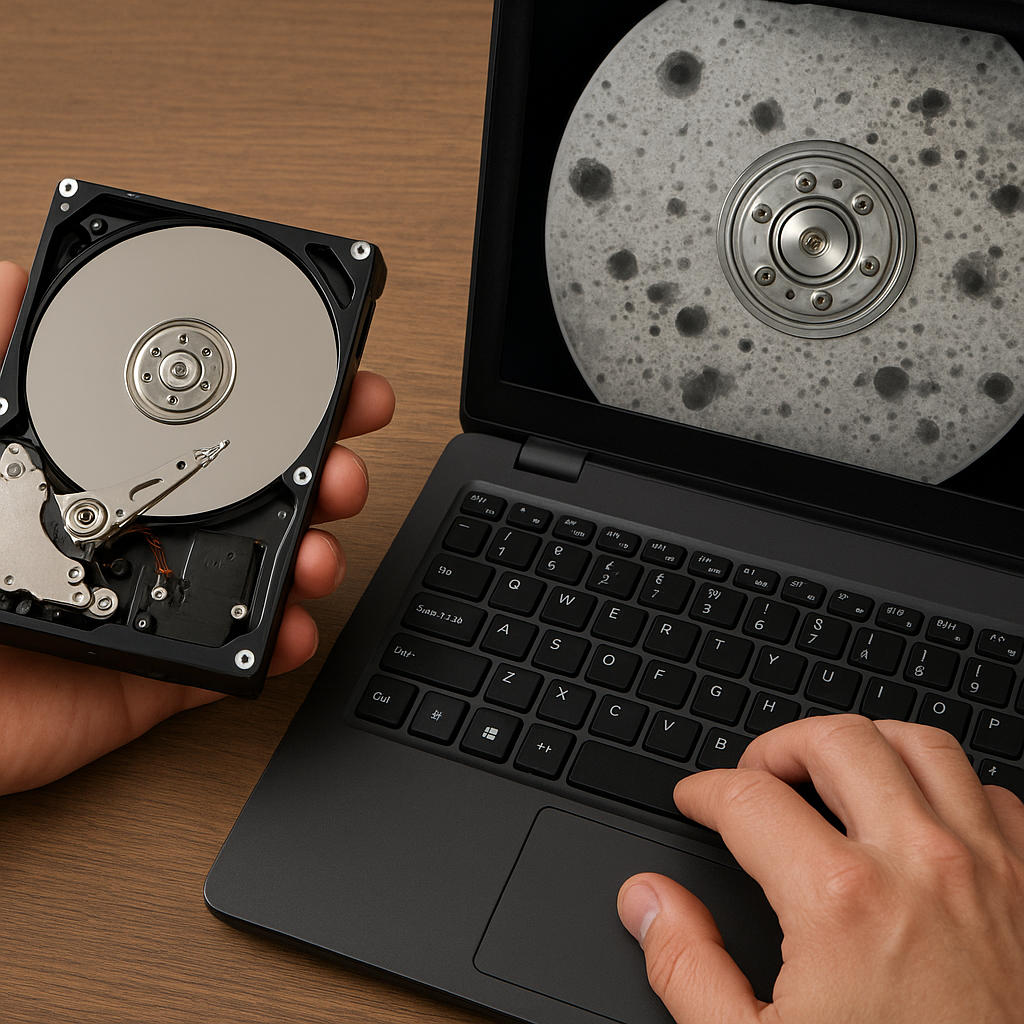
- Configure RAID arrays or other redundant storage solutions to guard against drive failures.
Educating Users and Establishing Protocols
The human element often contributes to accidental deletions. Minimize mistakes by:
- Training team members on proper file management and version control systems.
- Implementing strict permissions to limit deletion rights to authorized personnel.
- Standardizing naming conventions and folder structures to reduce confusion.
- Maintaining clear documentation on recovery procedures and responsible contacts for urgent support.