Encountering missing files after performing a system restoration can be a daunting experience, especially when critical documents vanish without warning. Fortunately, with the aid of modern recovery software and a clear understanding of underlying processes, it’s possible to retrieve valuable information that might seem irretrievably lost. This guide explores key factors behind post-restore data loss, outlines how to choose the best tool, and provides a comprehensive roadmap for restoring your essential documents.
Understanding Data Loss After System Restore
System restore tools aim to revert a computer’s state to a previous configuration, addressing software conflicts, corrupted drivers, or unwanted changes. However, this process can inadvertently lead to the disappearance of user-created files, leaving you with empty folders and incomplete projects. To effectively recover lost items, it’s crucial to recognize how a restore operation interacts with your storage medium and file structure.
How System Restore Affects Your Storage
- Restore Points overwrite original system files and settings, sometimes affecting index tables that map file locations.
- Temporary snapshots may truncate or relocate clusters, causing file fragmentation and directory mismatches.
- Some utilities delete residual files to free space, assuming they’re redundant, which can impact personal documents stored in system folders.
Common Causes of Post-Restore Data Loss
- Overwritten sectors: When a restore writes system images to the disk, portions of existing data may be replaced.
- Missing pointers: File system tables may lose references to files, rendering them invisible in Explorer.
- Corrupted indexes: The master file table (MFT) or equivalent in non-NTFS systems can become inconsistent, so files appear deleted.
- Altered partition structure: Restore operations sometimes resize or reformat volumes, compromising user data.
Choosing the Right Recovery Software
Selecting a dependable utility is paramount. A powerful application combines deep disk scanning capabilities with a user-friendly interface, enabling both novices and experts to navigate the recovery process with confidence. Below are essential criteria to consider.
Key Features to Look For
- Scanning Depth: Options for both quick sector checks and exhaustive thorough searches, ensuring maximum document detection.
- File Previews: Built-in viewers for common formats (Word, PDF, Excel) to verify file integrity before restoration.
- Selective Recovery: Ability to filter by file type, size, date modified, or deleted status, saving time and focusing on priority documents.
- Read-Only Mode: Ensures the software operates without altering the original drive, preventing further data loss.
- Partition Support: Compatibility with NTFS, FAT32, exFAT and other less common file systems.
- Resumption Capability: Ability to pause scanning and resume later, ideal for large-volume drives.
Balancing Price and Performance
While many free tools exist, investing in a reputable paid solution often delivers faster results, customer support, and regular updates. Compare trial versions to assess performance metrics such as scan speed, recovery rate, and system resource consumption. Prioritize tools with strong user reviews and endorsements from reputable tech publications.
Step-by-Step Guide to Recover Lost Documents
Implementing the right strategy prevents further damage and enhances recovery success. Follow this detailed roadmap to maximize your chances of retrieving lost files after a system restore.
1. Stop Using the Affected Drive
- Immediately cease all write operations to the disk containing lost documents.
- Disabling automatic updates and file-sync services reduces the risk of overwriting recoverable data.
2. Install and Prepare Recovery Software
- Use an alternate device or secondary disk to install the recovery tool. Installing on the affected volume can overwrite sectors with new data.
- Launch the program in read-only or “safe mode” if available, ensuring no unintentional writes occur.
3. Perform an Initial Quick Scan
- Select the target partition and initiate a rapid scan to locate recently deleted or lost files.
- Review recovered items in the preview pane, marking essential documents for restoration.
4. Conduct a Deep Scan if Needed
- If critical files are missing after the quick scan, switch to comprehensive or “deep” scanning mode.
- Be patient—deep scans can take hours or more, depending on drive capacity and fragmentation.
5. Filter and Preview Results
- Use search filters by extension (.docx, .pdf, .xlsx) or file size to narrow down relevant items.
- Leverage built-in viewers to confirm the content accuracy of each candidate before final recovery.
6. Recover and Verify
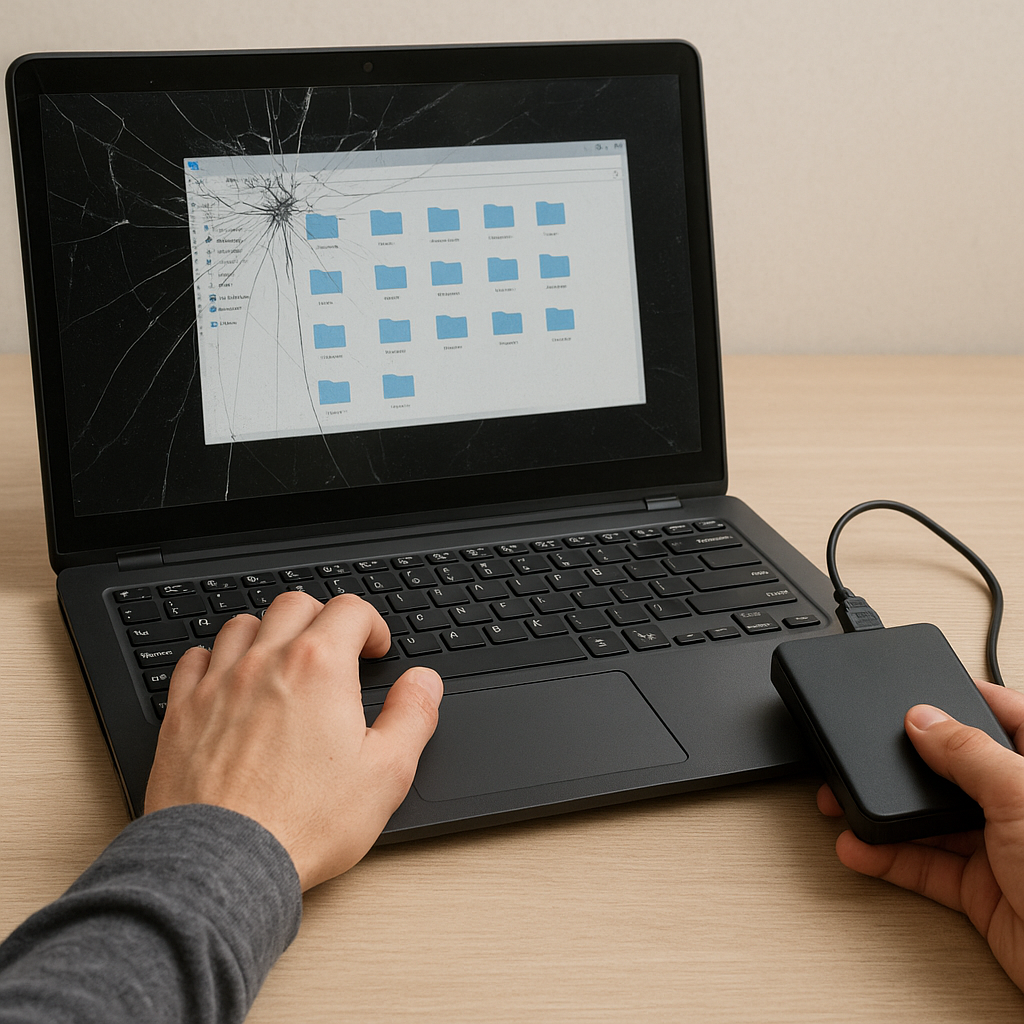
- Choose a separate storage location—ideally an external drive—to save recovered files.
- Open recovered documents to ensure they’re intact, checking for missing pages, corrupted text, or formatting issues.
7. Address Unrecoverable Items
If some files remain missing or corrupted, consider advanced options:
- Engage RAW recovery mode to locate files by signature rather than file system metadata.
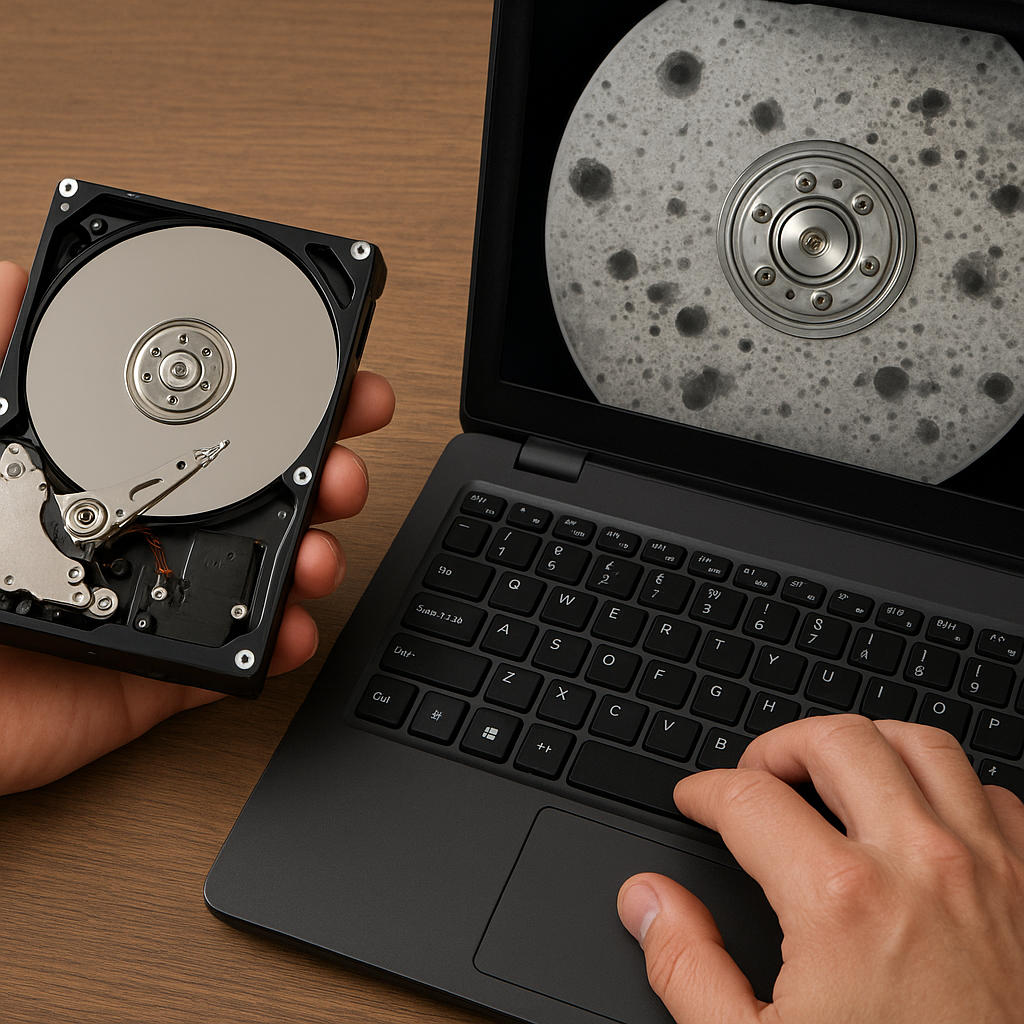
- Consult professional data recovery services when self-service software cannot retrieve mission-critical documents.
Preventive Strategies and Best Practices
After successfully restoring your documents, adopt a robust data protection plan to mitigate future risks. Combining multiple layers of defense ensures continuity and peace of mind.
Regular Backups
- Implement automated backups to external drives or cloud storage, maintaining at least three copies of important files.
- Use versioning systems that track changes across time, enabling rollbacks to specific moments before unwanted modifications.
Disk Maintenance and Monitoring
- Schedule periodic disk health checks using built-in utilities or third-party monitoring tools.
- Defragmentation (on HDDs) or optimization (on SSDs) maintains efficient storage allocation and reduces fragmentation.
Secure Configuration of System Restore
- Limit restore points to essential intervals, preventing excessive storage usage that might delete personal files inadvertently.
- Customize restore scopes to exclude data directories, directing backups of personal documents to separate volumes.
Educate and Train Users
- Share recovery procedures and best practices with colleagues and family members who may perform system restores.
- Encourage caution when selecting restore points and emphasize the importance of having recent backups.