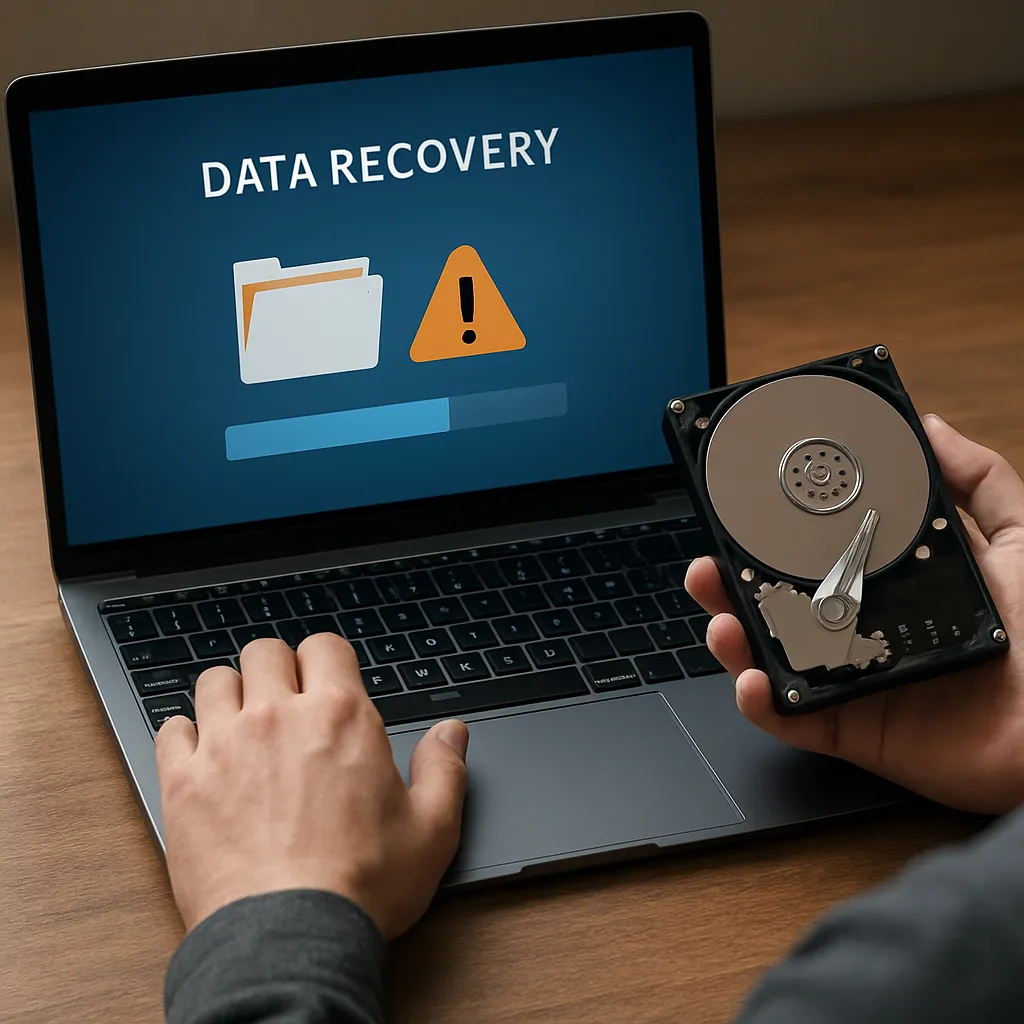
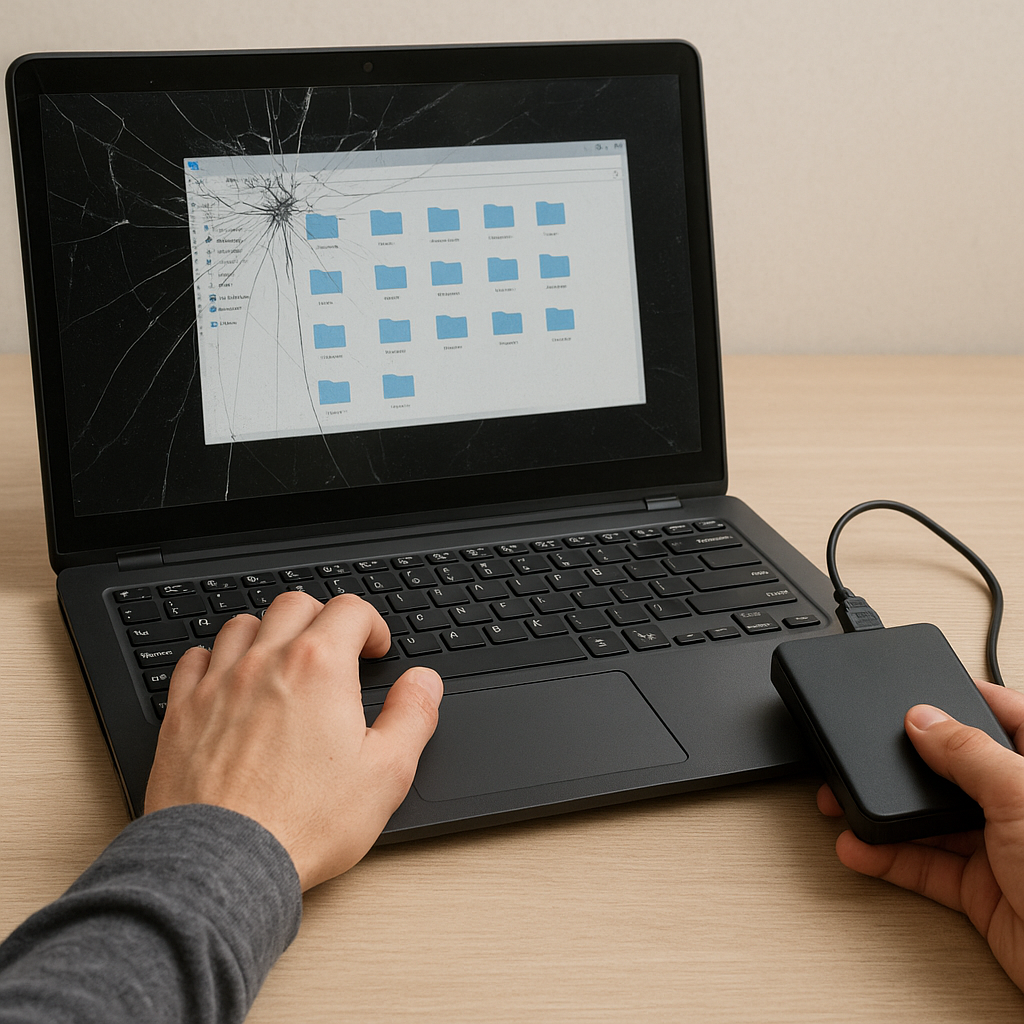
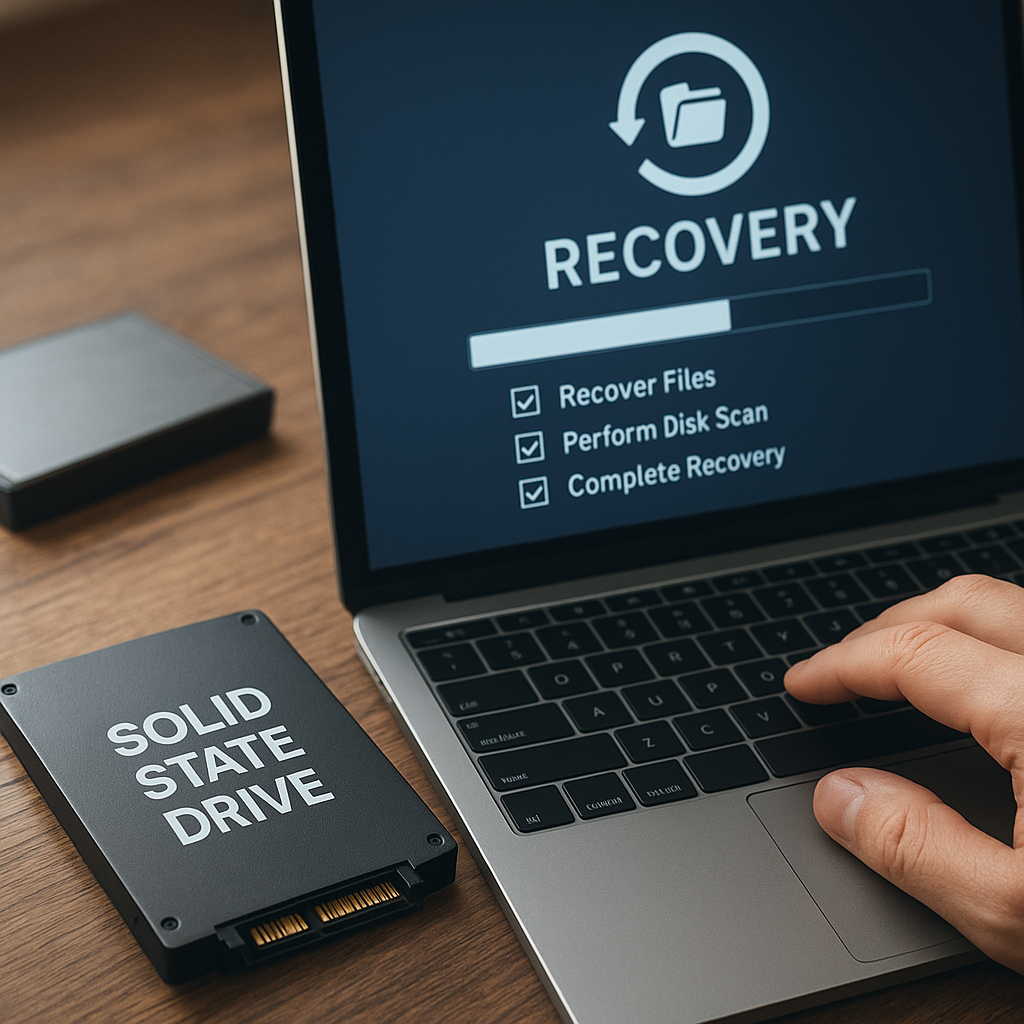
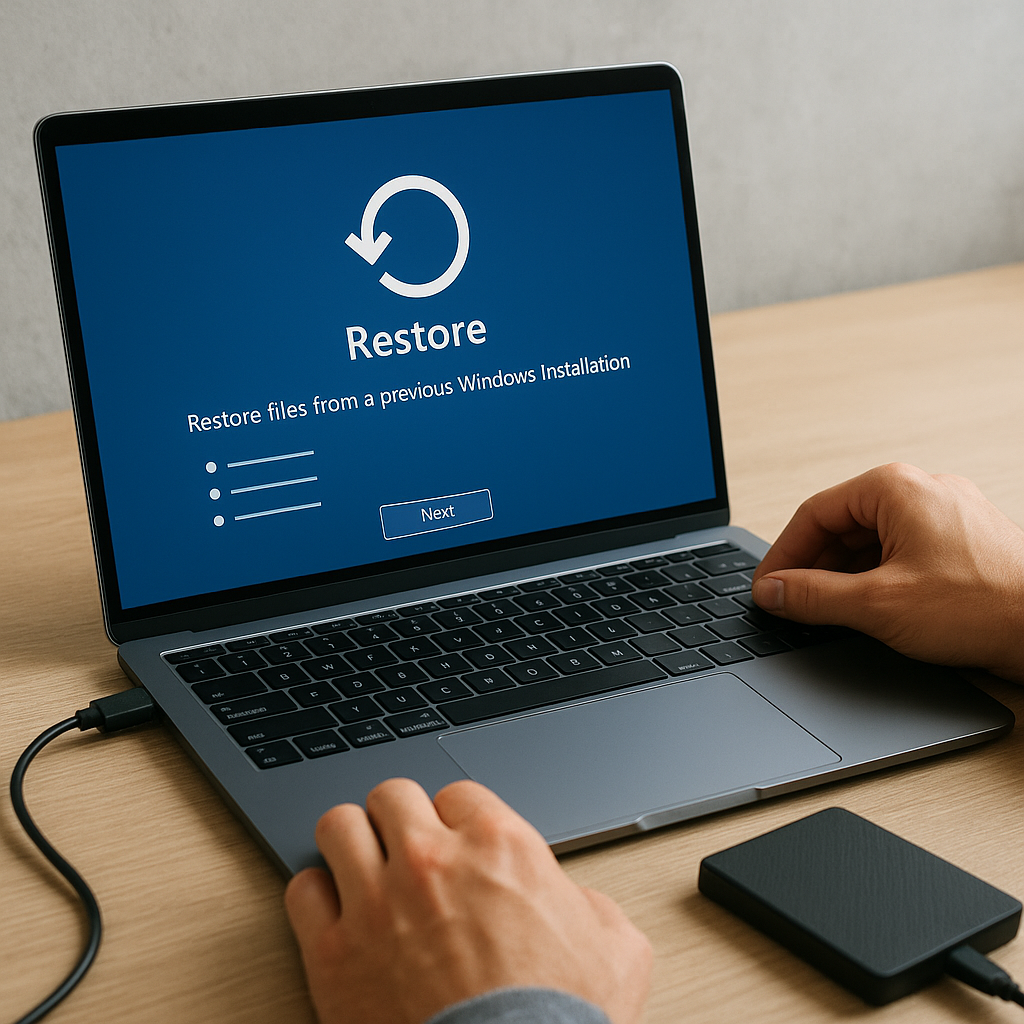
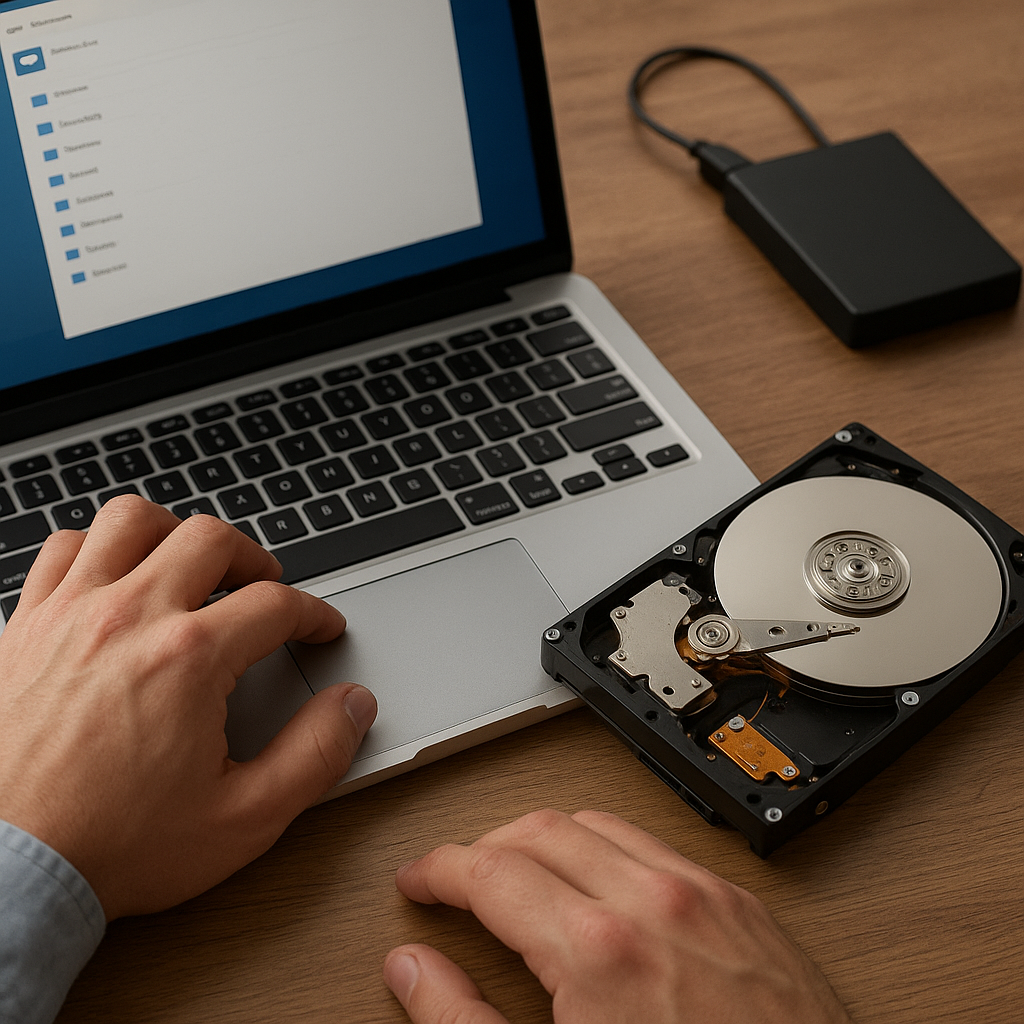
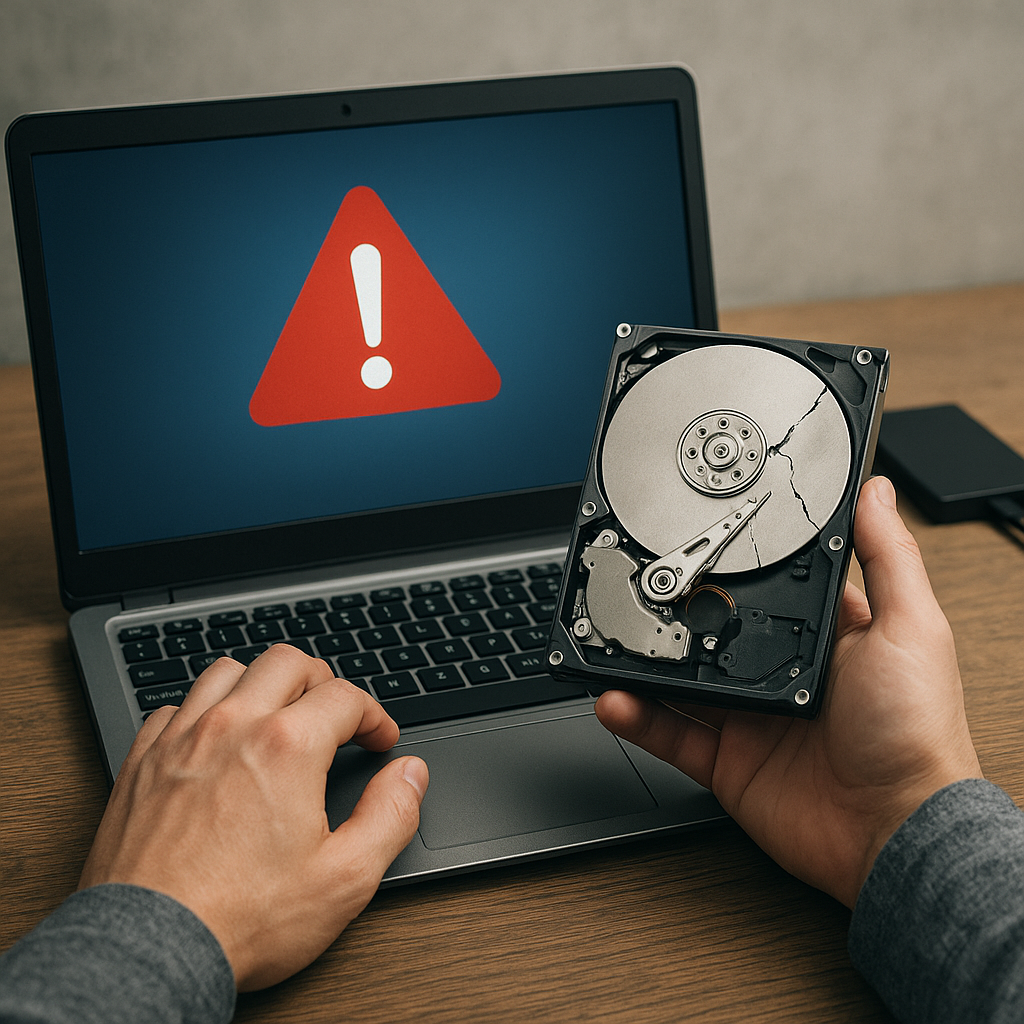
Encountering a non-booting laptop can be a daunting experience, especially when crucial files appear unreachable. However, with the right approach and tools, you can often **recover** your data without professional intervention. This article explores practical methods and software solutions designed to retrieve files from a laptop that refuses to start, guiding you through diagnostic steps, rescue utilities, and advanced techniques.
Diagnosing the Boot Failure
Before diving into recovery software, it’s essential to determine why your laptop won’t boot. Identifying the root cause can inform your next steps and prevent wasted effort on ineffective solutions.
Hardware vs. Software Issues
- Hardware failures often involve the hard drive, RAM modules, motherboard, or power supply. Listen for unusual noises (clicking or grinding) that may indicate a failing drive.
- Software glitches can stem from corrupted system files, missing bootloader entries, or malware.
Preliminary Troubleshooting
- Perform a power cycle: Disconnect power, remove the battery if possible, then hold the power button for 15 seconds before reconnecting.
- Access the BIOS/UEFI settings: Verify the hard drive is recognized and that the boot order points to the correct drive.
- Run integrated diagnostics: Many laptops include built-in memory or drive tests accessible via a function key during startup.
Using Bootable Rescue Media
If your laptop can’t load its operating system, bootable rescue media can provide a separate environment for data extraction. These tools run from USB drives or DVDs and bypass the damaged OS entirely.
Creating a Bootable USB
- Download a reputable ISO image such as a Linux live distribution (Ubuntu, Fedora) or specialized rescue toolkit (Hiren’s BootCD PE, Ultimate Boot CD).
- Use a utility like Rufus or balenaEtcher to flash the ISO onto a USB drive.
- Ensure your BIOS/UEFI is set to allow USB booting and disable Secure Boot if necessary.
Data Access via Live Environment
Once booted into the rescue environment:
- Open the file manager to mount your laptop’s internal hard drive. Note the partition type (NTFS, ext4, APFS) and mount accordingly.
- Copy important files to an external drive or cloud storage. Always validate the integrity of copied files.
Recovery Software Solutions
When file system corruption prevents straightforward copying, dedicated recovery software can scan for lost partitions, deleted files, and reconstruct damaged data structures.
Partition and File Recovery
- TestDisk: A free, open-source utility specializing in partition table repair and file system recovery. It supports NTFS, FAT, ext, and GPT/MBR partitions.
- PhotoRec: Bundled with TestDisk, this tool recovers individual files by scanning disk sectors. It’s effective for retrieving media, documents, and archives.
- EaseUS Data Recovery Wizard: A user-friendly commercial solution offering a GUI, preview features, and step-by-step wizards.
Disk Imaging and Clone-Based Methods
Creating an image of your failing drive can prevent further degradation. Work on the clone rather than the original media to minimize data loss risks.
- ddrescue (GNU ddrescue): Command-line tool that attempts to read all readable data while skipping over bad sectors, generating a log for resumable operations.
- Clonezilla: A free, open-source disk cloning tool that can image entire drives or partitions.
- Macrium Reflect Free: Offers disk imaging with scripting capabilities and rescue media creation.
Advanced Techniques and Considerations
In certain scenarios, more sophisticated approaches may be necessary, particularly when dealing with encrypted volumes, physically damaged drives, or specialized file systems.
Handling Encrypted Drives
- If your drive uses BitLocker or LUKS encryption, ensure you have the correct recovery keys or passphrases.
- Boot into a live environment that supports your encryption scheme and unlock the volume prior to attempting data extraction.
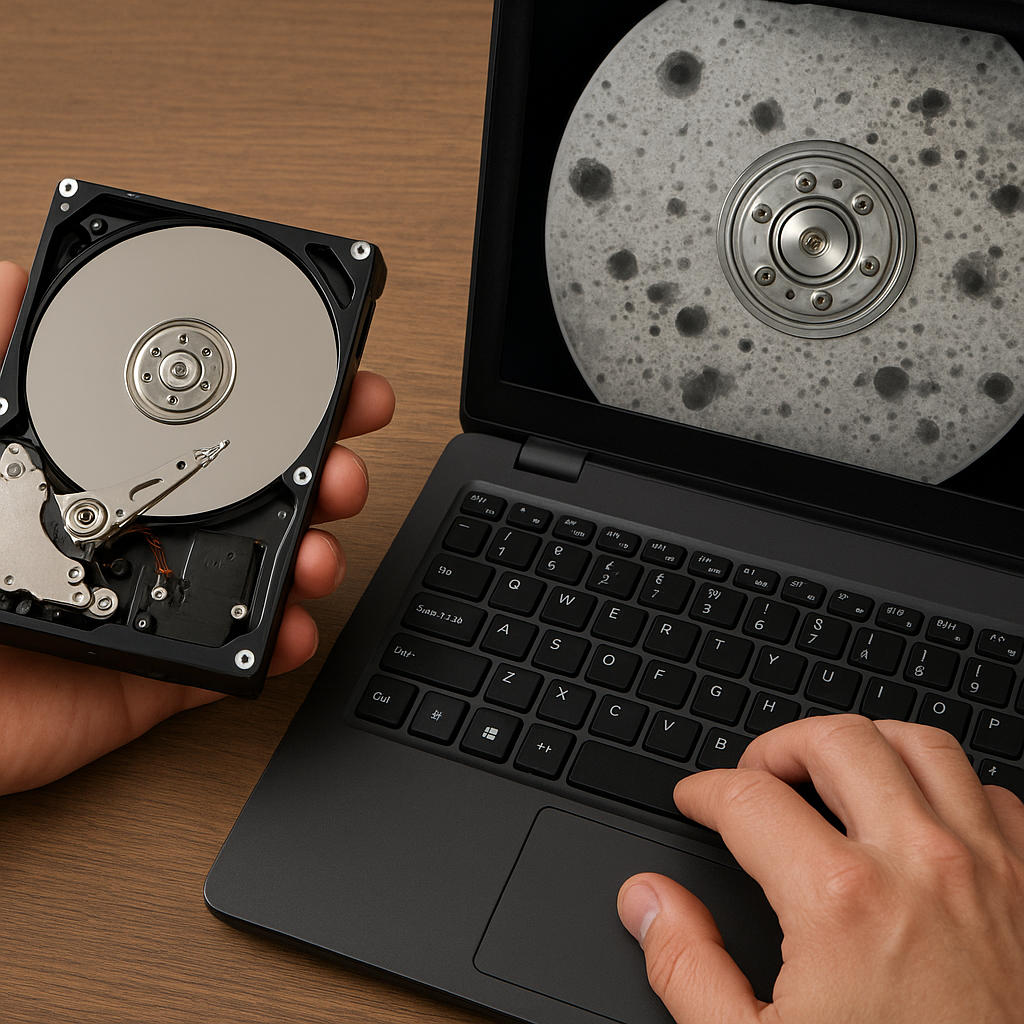
Dealing with Physically Damaged Drives
- Reduce heat by powering down periodically; excessive spinning can worsen mechanical failures.
- If the drive makes repetitive clicking sounds, avoid prolonged spin-up attempts. Consider seeking professional cleanroom services.
File System Repair vs. Data Recovery
A repaired file system doesn’t guarantee full data integrity. Always operate on a cloned image and run file system check utilities (chkdsk, fsck) only after backing up critical data.
Prevention and Best Practices
While recovery methods can be effective, prevention remains the optimal strategy for safeguarding your files.
Regular Backups
- Implement an automated backup routine to cloud or external drives, focusing on the most important directories and documents.
- Use versioning systems to maintain historical copies of files and enable point-in-time restores.
System Imaging
- Create periodic full-system images to expedite complete restores in case of catastrophic failures.
- Store images off-site or on separate media to protect against local disasters.
Stay Proactive
- Monitor drive health using SMART reporting utilities.
- Keep your operating system and firmware up to date to minimize software-related boot issues.