Losing critical files stored in cloud services can be a nightmare, especially when these files contain vital business records or cherished personal memories. Fortunately, understanding the underlying deletion mechanics and leveraging the right software tools can help you swiftly restore your lost items from Google Drive. This article explores proven strategies, advanced recovery features, and preventative measures aimed at safeguarding your data against accidental or permanently deleted files.
Understanding the Google Drive File Deletion Process
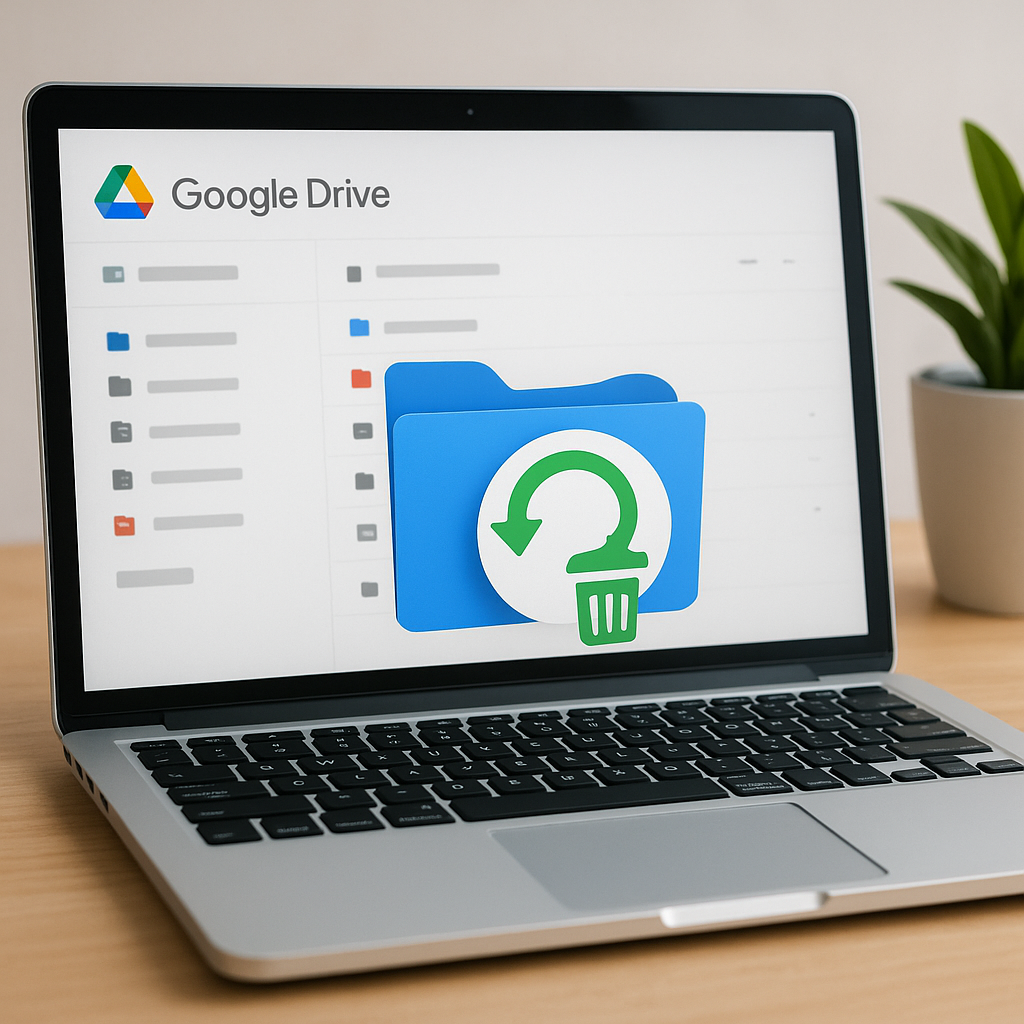
Before diving into recovery techniques, it’s essential to grasp how Google Drive handles file deletions. When you hit the delete button, the file isn’t immediately wiped from the cloud server. Instead, it moves to the Trash folder, offering a grace period for retrieval.
The Trash Grace Period
- Files remain in Trash for up to 30 days before automatic removal.
- Users can manually empty the Trash to permanently remove items at any time.
- Workspace or G Suite administrators may have different retention policies, depending on organizational settings.
Impact of Shared Drives and Permissions
- When collaborators delete a file in a shared drive, it moves to the shared Trash, affecting all members.
- Permission changes can render certain files invisible, creating the illusion of deletion.
- Administrators can restore items from the admin console within specific retention windows.
Effective Methods for Recovering Deleted Files
Recovering lost files from Google Drive can involve built-in features, third-party recovery tools, or support requests to Google itself. The optimal approach depends on the time elapsed since deletion, file types, and account privileges.
Using the Native Google Drive Trash
- Navigate to the Trash folder in the Drive interface.
- Select the files or folders you want to restore.
- Right-click and choose “Restore” to return items to their original locations.
While straightforward, this method only works within the 30-day window and when Trash hasn’t been emptied.
Submitting a Google Support Request
- Google allows users to request file recovery beyond the Trash grace period.
- Support can sometimes recover files deleted within the last 25 days if the account is in good standing.
- Response times vary, and restoration isn’t guaranteed.
Deploying Third-Party Recovery Software
Advanced scanning capabilities in specialized recovery applications can uncover residual data fragments that reside on synced local drives. These applications connect to your Google Drive account via secure APIs and perform deep scans. Key steps include:
- Authenticate your account through OAuth for secure access.
- Select specific folders or entire drives for a thorough scan.
- Preview recoverable items before initiating the restore process.
Leveraging Professional Recovery Software
When native options fall short, investing in professional recovery solutions delivers enhanced efficiency, broader file type support, and advanced filtering options. Here are crucial features to look for:
Deep Cloud Integration
- Secure API access to Google Drive without compromising login credentials.
- Encrypted data transfer channels to protect sensitive data during the scan.
Advanced File Carving and Preview
- Ability to reconstruct partially overwritten files via block-level scanning.
- Real-time previews of documents, images, and other formats.
Comprehensive File Type Support
- Recovery of Office documents, PDFs, multimedia files, and compressed archives.
- Support for hidden or system-level files that are normally inaccessible.
Automated Workflow and Scheduling
- Set up regular recovery scans to detect unintentional deletions instantly.
- Automate backups of critical folders, reducing reliance on manual intervention.
Best Practices to Prevent Data Loss
Recovery can be a lifesaver, but prevention remains the most robust defense. Implement these strategies to minimize the risk of file loss:
Maintain Regular Backups
- Use built-in backup tools or third-party services to duplicate Google Drive contents locally or to another cloud provider.
- Adopt the 3-2-1 rule: at least three copies of your files on two different media, one offsite.
Implement Access Controls and Permissions
- Grant users only the privileges they need, reducing accidental deletions.
- Periodically audit sharing settings to ensure no unauthorized access.
Enable Version History and Revision Control
- Google Drive automatically tracks changes to documents, so you can revert to earlier versions.
- Encourage collaborative teams to review version histories before deleting or overwriting files.
Educate Teams on Safe Deletion Practices
- Provide clear guidelines for moving items to Trash versus permanent deletion.
- Conduct regular training sessions on using recovery tools and checking Trash folders.
Monitor and Alert on Suspicious Activity
- Set up alerts for bulk deletion events or unusual file modifications.
- Use audit logs in Google Workspace to track user actions and identify potential security threats.
Next Steps for Robust Data Protection
Choosing the right balance between built-in recovery features, professional software, and proactive safeguards is key to maintaining uninterrupted access to your crucial files. Implementing a layered approach ensures that lost documents, presentations, or multimedia assets can be retrieved swiftly—whether they were accidentally trashed, overwritten, or targeted by malicious actors. By combining robust backup practices, access controls, and advanced recovery solutions, you can elevate your organizational resilience and protect your digital treasures for the long term.