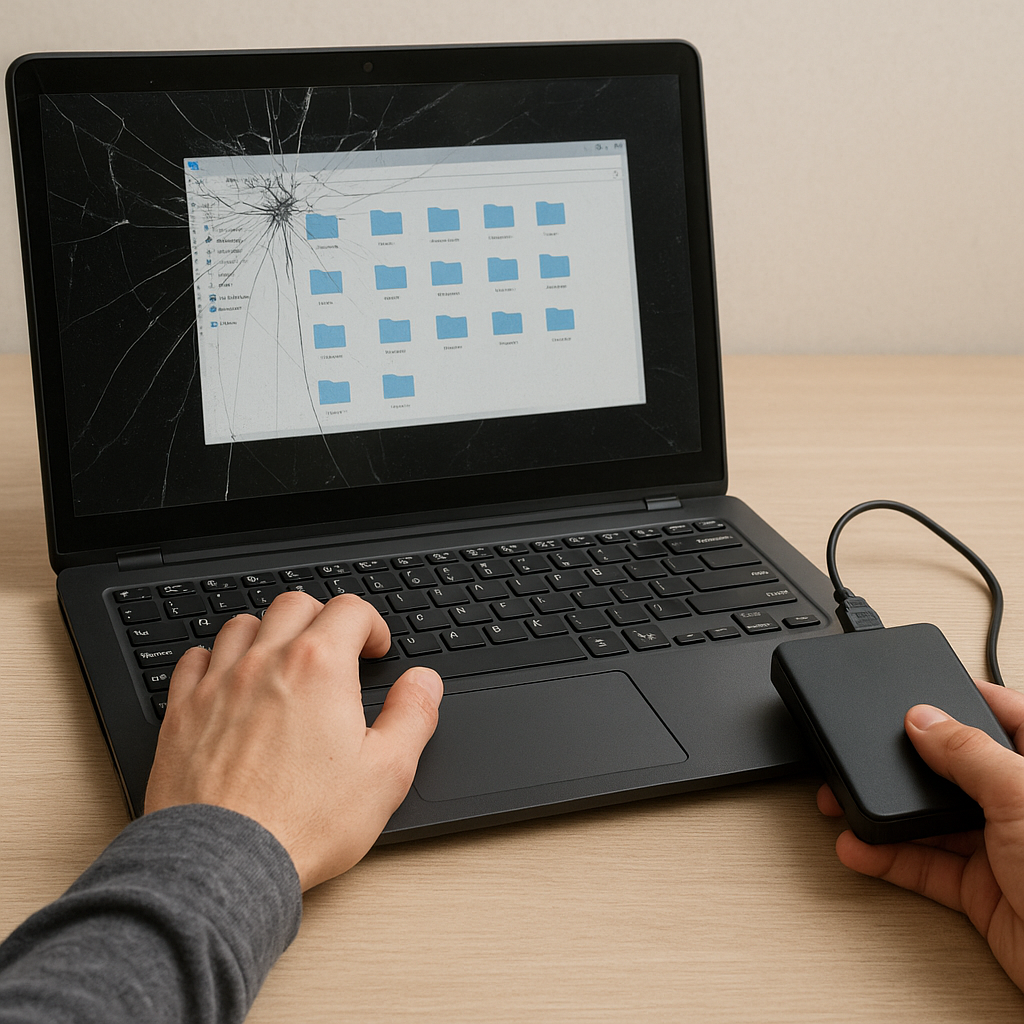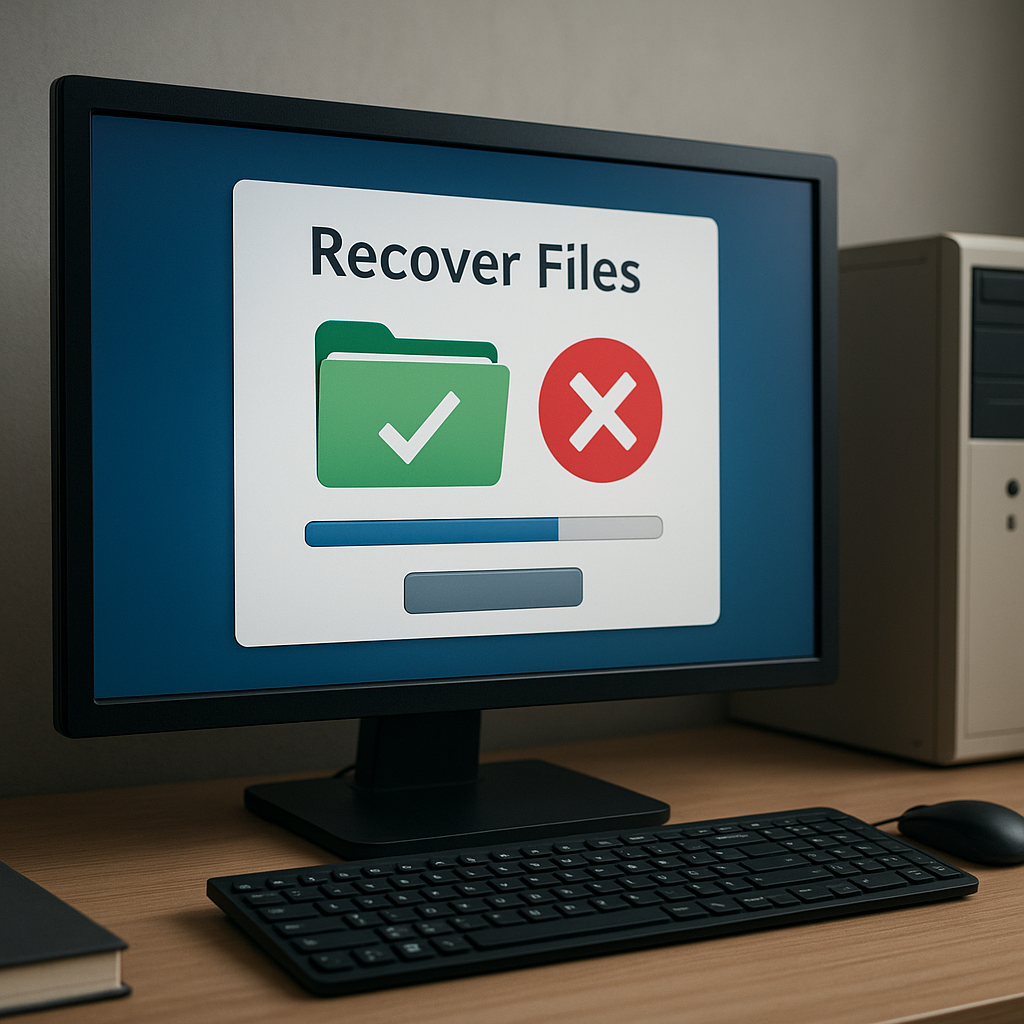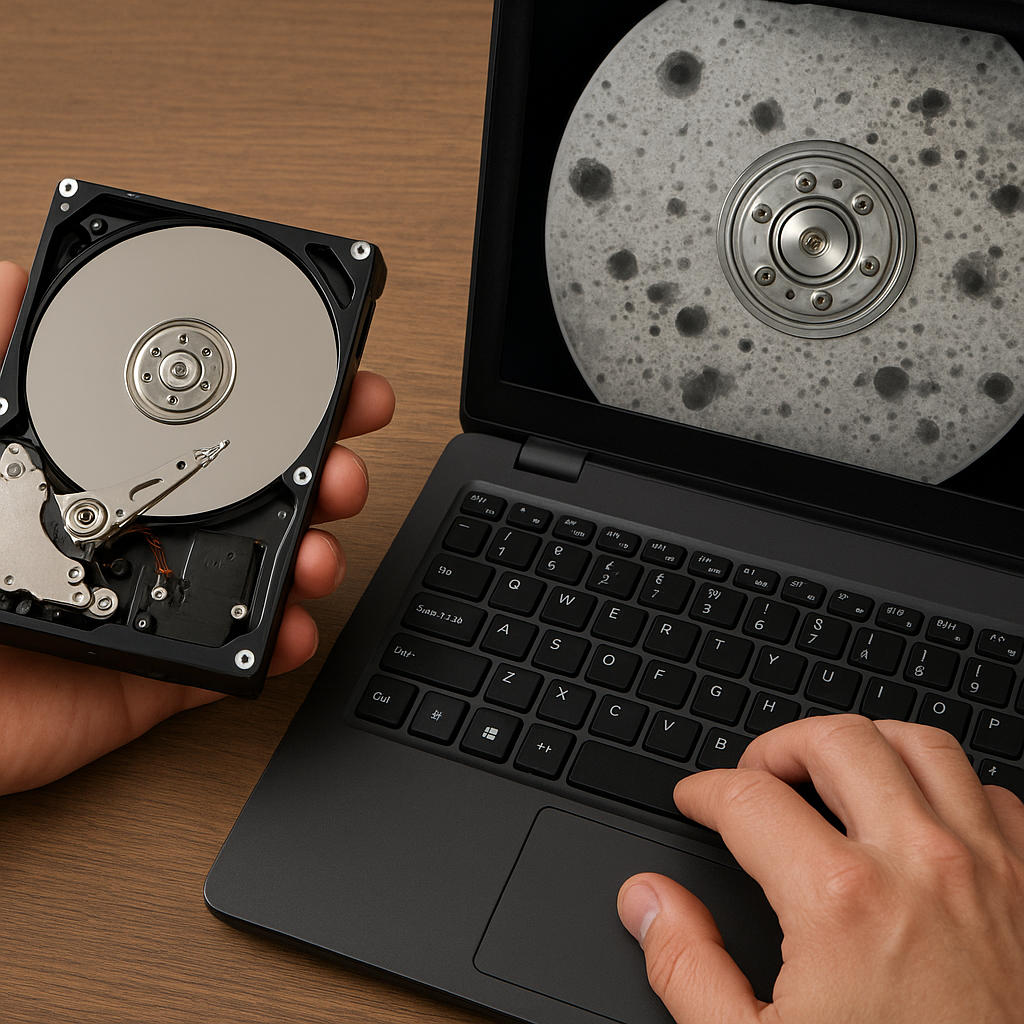
Experiencing a sudden OS crash can leave users scrambling to retrieve vital files and restore system functionality. Whether caused by hardware failure, software corruption, or unexpected power loss, a crashed operating system puts data at risk. Understanding how to approach recovery and which tools to employ is essential for minimizing downtime and preserving critical information. This article explores the underlying principles of data restoration, offers a comprehensive step-by-step guide, and highlights advanced techniques to ensure a successful recovery.
Understanding OS Crashes and Their Impact on Data
A crash occurs when the operating system can no longer maintain stable operations, often resulting from corrupted file system structures, damaged boot sector, or failing storage media. Recognizing the root cause is crucial for determining the most effective recovery strategy.
Common causes of OS crashes:
- Hardware malfunction, such as bad sectors on a hard drive or failing SSD controllers
- Faulty driver updates or incompatible software installations
- Virus or malware attacks that corrupt system files
- Sudden power surges or improper shutdowns
Risks Posed to User Data
When an OS crash occurs, the integrity of stored data may be compromised. Without proper handling, attempts to reboot or write new files can overwrite or further damage existing content. Understanding the difference between logical corruption and physical damage helps tailor the recovery approach:
- Logical corruption: File pointers, directory entries, or partition tables become invalid, but the actual data remains intact.
- Physical damage: The storage medium has developed bad sectors or mechanical faults, risking permanent data loss if not addressed promptly.
Step-by-Step Guide to Data Recovery
Following a systematic procedure increases the likelihood of restoring files successfully. Below is a structured approach to recovering data after an OS crash.
1. Prevent Further Damage
- Immediately disconnect the drive from the faulty system to avoid additional writes.
- Use a write blocker or mount the drive in read-only mode whenever possible.
- Avoid attempting repairs without a proper recovery plan—hasty actions often worsen corruption.
2. Create a Disk Image
Before tinkering with the original media, generate a sector-by-sector disk imaging clone. This copy serves as a working duplicate, protecting the source from further harm.
- Employ reliable tools capable of handling bad sectors by skipping or retrying reads as necessary.
- Ensure sufficient storage space on the target media to accommodate the full image.
- Verify the integrity of the cloned image by comparing hash values.
3. Analyze the File System
Once the image is ready, run diagnostic utilities to identify corrupt structures within the partition table or file allocation records. Document any anomalies before proceeding.
- Check for missing or shifted partitions that could hide user data.
- Inspect directory listings for irregular file sizes or timestamps.
4. Perform a Deep Scan
Modern recovery software typically offers surface-level and deep scanning options. A deep scan examines raw sectors, reconstructing fragmented files by recognizing known signatures.
- Select the appropriate file types or categories to expedite the process.
- Monitor progress and note recovered file counts to gauge completeness.
5. Recover and Validate Files
After scanning, recover files to a separate drive. Do not restore directly onto the affected drive to prevent overwriting remaining data fragments. Use checksums or file previews to confirm the integrity of each recovered item.
- Group recovered files by type or directory structure for easier navigation.
- Mark irreparable or partially recovered files for further analysis.
Advanced Techniques and Tools
In complex scenarios where standard methods fail, advanced strategies can salvage data from severely damaged systems. These techniques often require specialized knowledge and hardware.
Sector-Level Repair
For drives with isolated bad sectors, sector remapping or replacement may restore access to critical areas. Some recovery suites offer a “sector repair” module that attempts to patch corrupted data using redundant records.
Hex Editing and Manual Reconstruction
When automated tools cannot identify file headers or directory entries, a hex editor enables manual inspection of raw data. Experts can search for specific magic numbers or file signatures to piece together missing information.
RAID and Multi-Drive Arrays
Recovering data from RAID configurations demands reconstructing the array parameters—stripe size, order, and parity rotation. Utility suites designed for RAID environments can emulate the original setup and extract data without requiring the physical controllers.
- Document the RAID level and disk sequence before dismantling any drives.
- Use virtual RAID rebuild functions to avoid additional strain on the hardware.
Preventive Measures and Best Practices
Once data is recovered, adopting robust preventive measures reduces the risk of future losses. Consistency and vigilance are key elements in any data protection strategy.
Essential practices for long-term resilience:
- Implement a regular backup schedule using the 3-2-1 rule: three copies, two different media, one off-site.
- Maintain updated firmware and drivers to minimize compatibility issues that may trigger crashes.
- Deploy uninterrupted power supplies (UPS) to safeguard against power fluctuations.
- Regularly test recovery processes to ensure that backups remain functional and data remains accessible.
- Monitor drive health metrics, such as SMART attributes, to detect impending failures early.
By combining these precautions with informed recovery techniques, users can achieve greater reliability and resilience when confronting operating system failures.