Reinstalling your operating system can feel like a fresh start, but it often comes with the dread of losing precious data. Fortunately, effective recovery techniques and specialized software can help you restore your files after a Windows reinstallation. This guide will walk you through essential concepts, recommended tools, and detailed procedures to minimize downtime and successfully retrieve your digital assets.
Understanding Data Loss After Windows Reinstallation
Causes of Data Loss
When you perform a clean reinstallation of Windows, the setup program often formats or overwrites system partitions, leading to the deletion of existing data. Common scenarios include:
- Accidental formatting of the wrong drive during setup
- Partition table corruption
- Overwriting of file allocation tables
- Unexpected system crashes during installation
In each case, recovery depends on how much of the drive has been overwritten. The more you use the system after reinstallation, the higher the risk that important lost clusters will be overwritten, reducing the chances of a complete restoration.
Why Quick Action Matters
Time is critical when dealing with data recovery. Every additional write operation to the disk can destroy traces of your original files. To maximize success:
- Stop using the affected drive immediately
- Boot from external media or a live USB
- Avoid installing heavy programs until recovery is complete
Following these precautions can preserve the maximum amount of recoverable data, enabling your recovery process to yield the best possible results.
Choosing the Right Recovery Software
Key Features to Look For
Selecting the right software is essential for a smooth recovery. The ideal tool should offer:
- Deep scanning modes to detect fragmented or deleted files
- Support for multiple file systems (NTFS, FAT32, exFAT)
- User-friendly interface with clear instructions
- Preview functionality to verify file integrity before restoring
- Customizable filters for file types and size ranges
- Safe read-only operations to avoid further modifications
Popular Tools on the Market
Several reputable recovery solutions have established themselves as industry standards. Among them:
- EaseUS Data Recovery Wizard – well-rounded and beginner-friendly
- Recuva – lightweight, free option with basic features
- Disk Drill – advanced scanning algorithms and backup utilities
- R-Studio – professional-grade, supports RAID and network recovery
- MiniTool Power Data Recovery – versatile with a modular license
Each product has its strengths, so evaluate based on your technical comfort level and budget. Many offer free trials or limited restores, allowing you to test recovery potential before purchasing a full license.
Step-by-Step Recovery Process
Preparing for Recovery
Before launching any recovery task, prepare a safe environment:
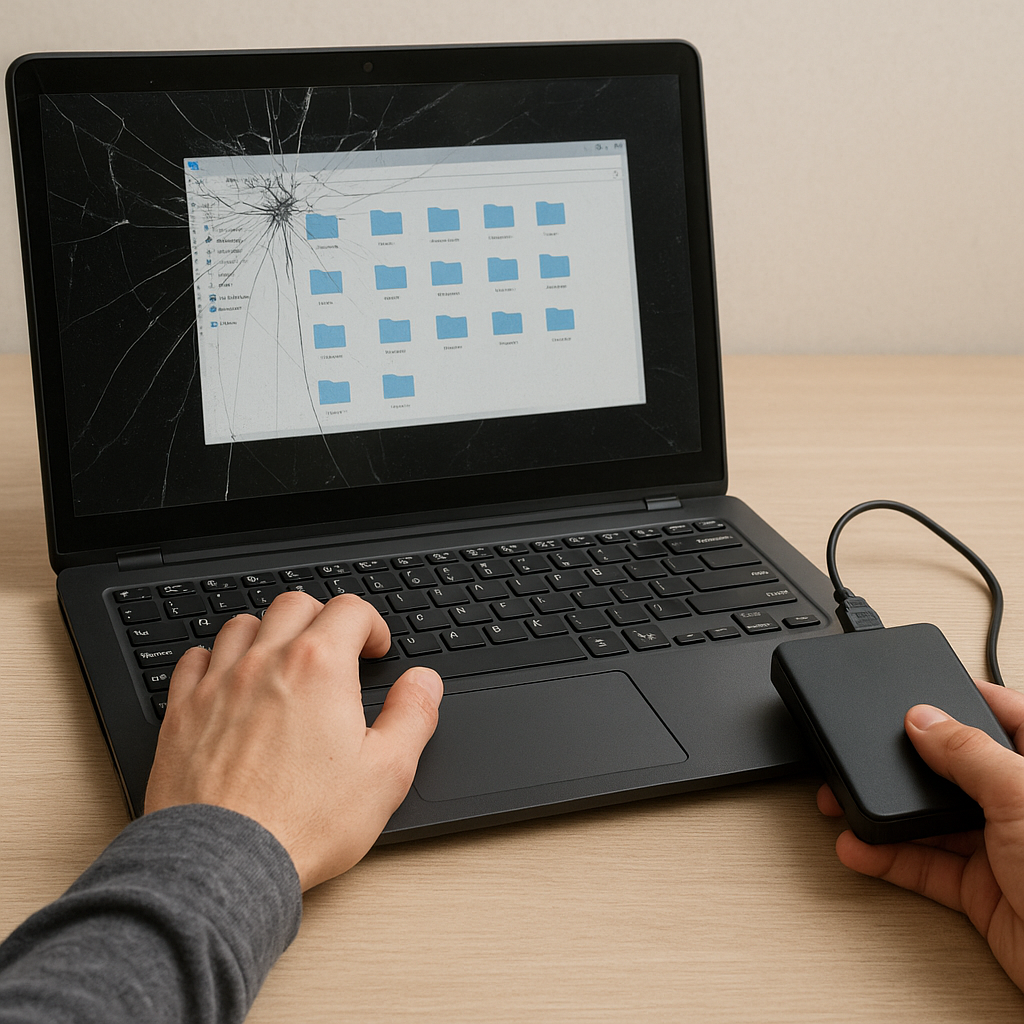
- Obtain an external storage device with enough space to hold recovered data
- Create a bootable USB drive if the system drive is the one damaged
- Disconnect other internal drives to prevent accidental writes
- Ensure power stability, ideally using an uninterruptible power supply (UPS)
These steps avoid additional data corruption and provide a secure target for your recovered files.
Performing the Scan
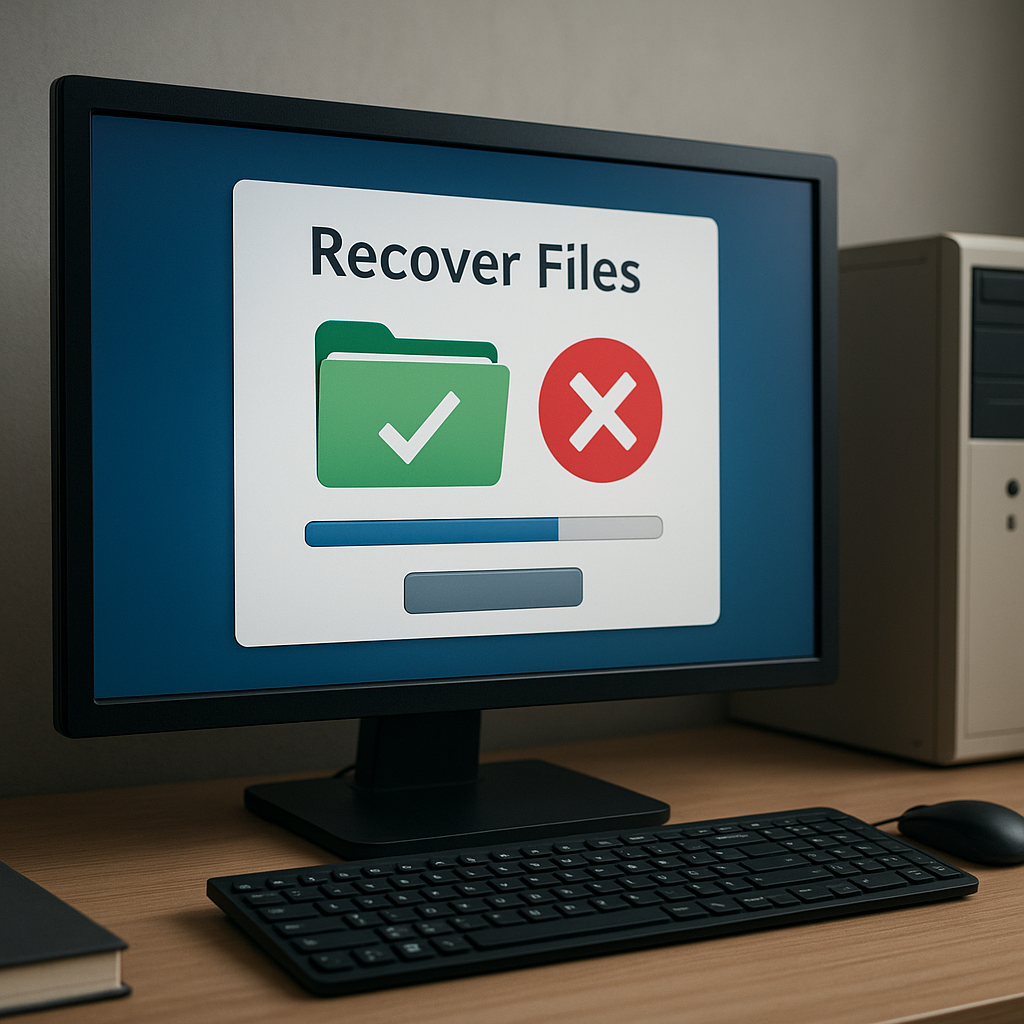
Once your environment is ready, install and launch your chosen recovery tool. Begin with a quick scan to detect recently deleted items. If that doesn’t yield desired results, proceed with a deep or full scan:
- Select the affected partition or drive
- Choose a scan mode (quick vs. deep)
- Wait patiently, as deep scans can take several hours on large drives
- Monitor progress and check logs for any read errors
Deep scans reconstruct file headers and directory structures by analyzing residual data sectors. This is where a powerful algorithm can make the difference between partial and complete recovery.
Previewing and Restoring Files
After scanning completes, you’ll see a list of recoverable items categorized by file type, name, or recovery probability. Follow these guidelines:
- Use preview tools to verify file contents (images, documents, archives)
- Apply filters to narrow results (by date modified, file extension)
- Select only the essential lost files to save time and space
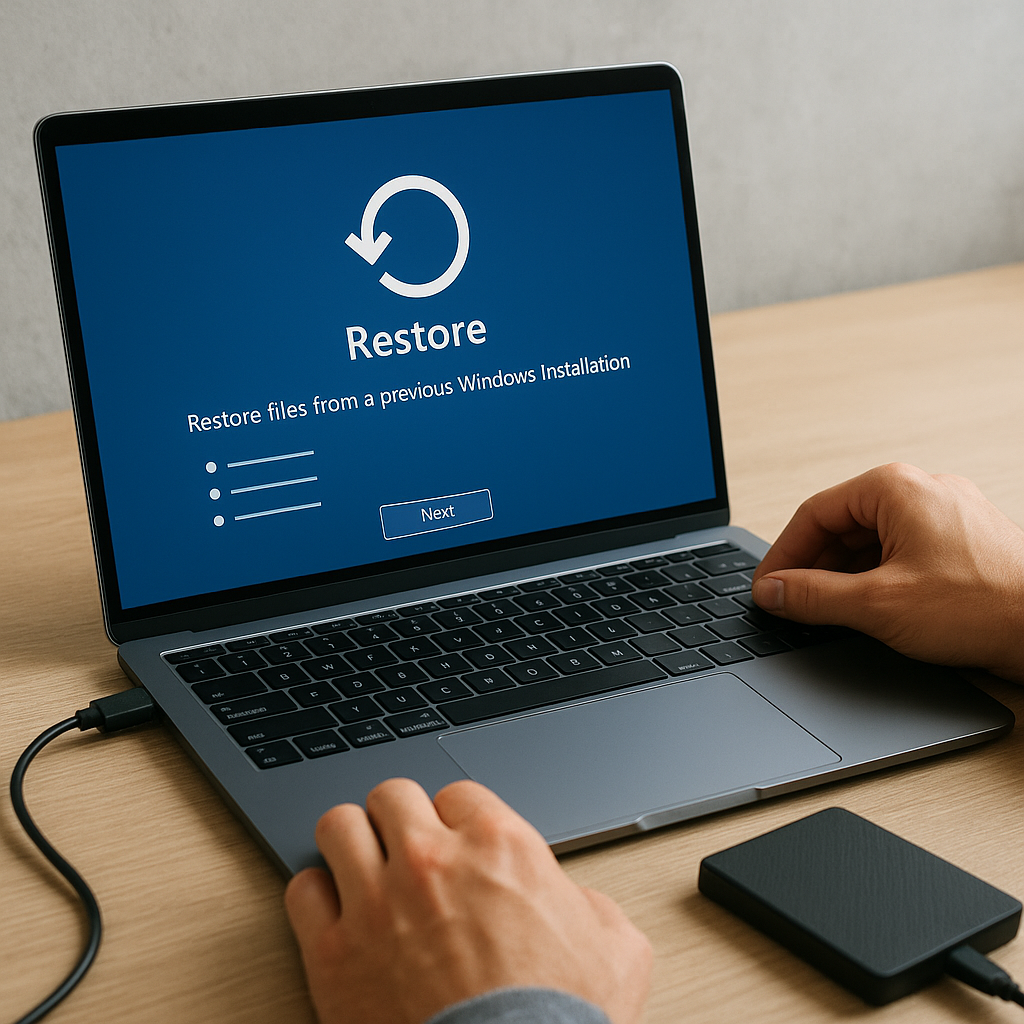
- Choose a different drive or external medium as the restore destination
Never restore onto the same partition where data was lost. This precaution prevents unintentional overwrites and maximizes the likelihood of intact recovery.
Advanced Tips and Best Practices
Managing Partitions and Drives
For users dealing with complex disk layouts or multi-boot systems, advanced partition management is crucial. Consider these points:
- Use a dedicated partitioning tool to inspect drive geometry
- Recover critical system files first, then user data
- When restoring entire partitions, maintain original alignment to avoid boot failures
- After successful recovery, inspect the restored partition for errors using chkdsk or similar utilities
Reassembling the original partition structure can make the system more stable and prevent future boot issues.
Preventing Future Data Loss
Once you’ve navigated the recovery process, it’s time to implement a robust backup strategy. Prevention is always better than cure:
- Set up automated daily or weekly backups to an external drive
- Use cloud-based backup solutions for offsite redundancy
- Keep an image of your system partition for rapid restoration
- Regularly verify backup integrity and practice restoration drills
By establishing a disciplined backup regimen, you can drastically reduce the impact of future mishaps and avoid complex recovery scenarios.