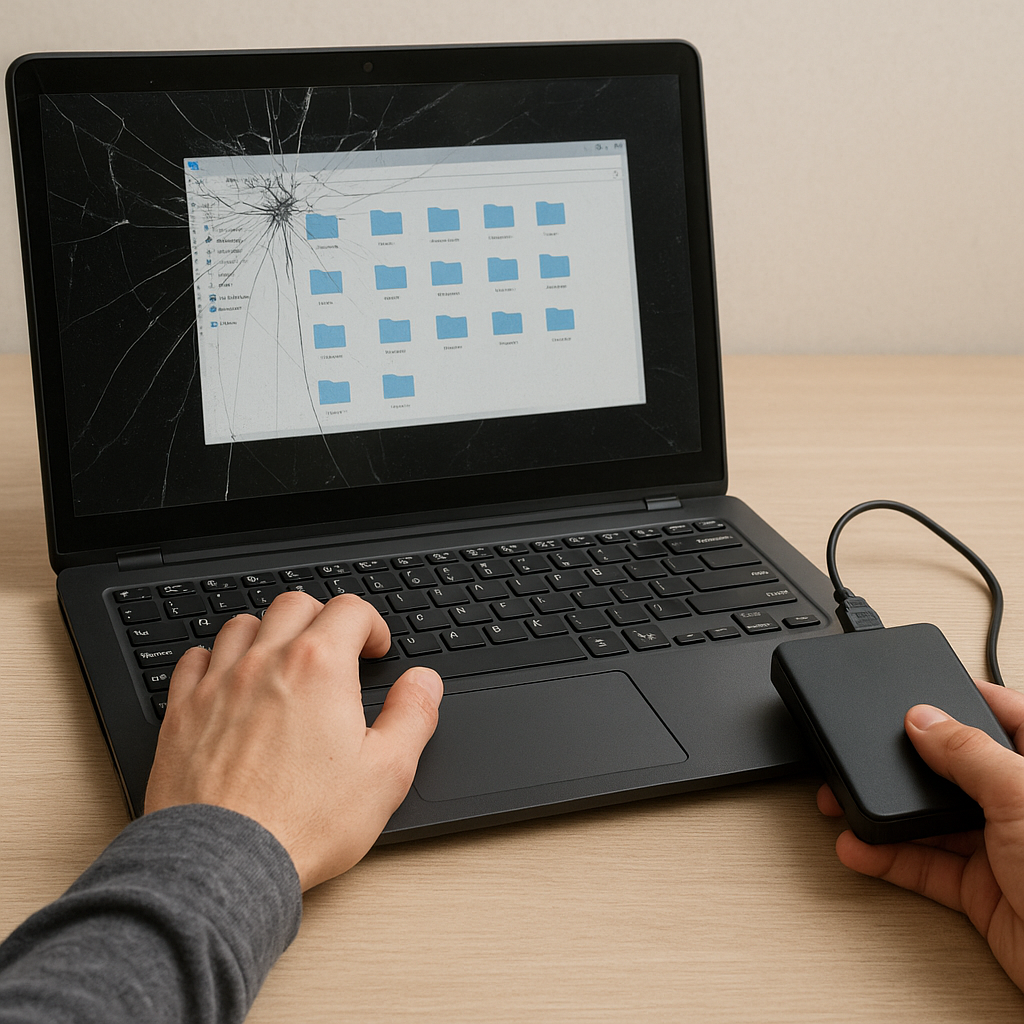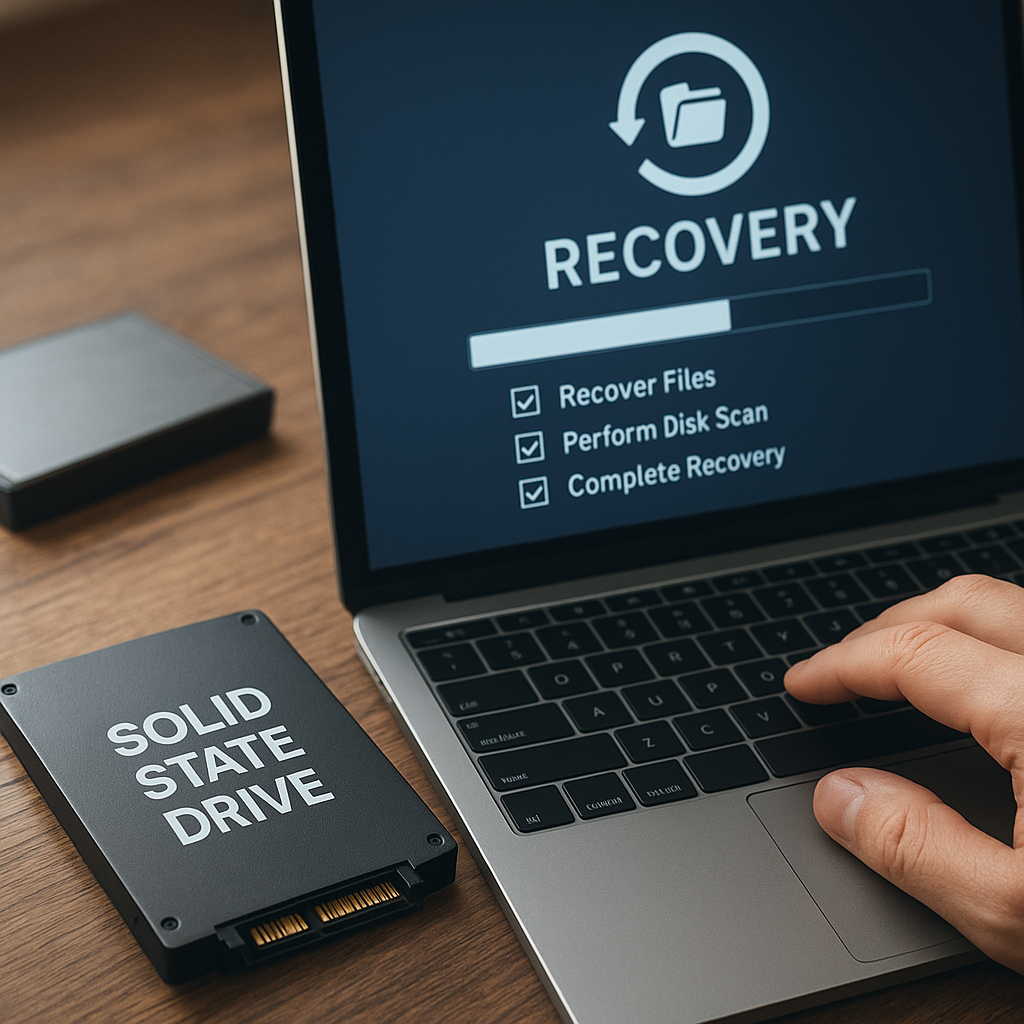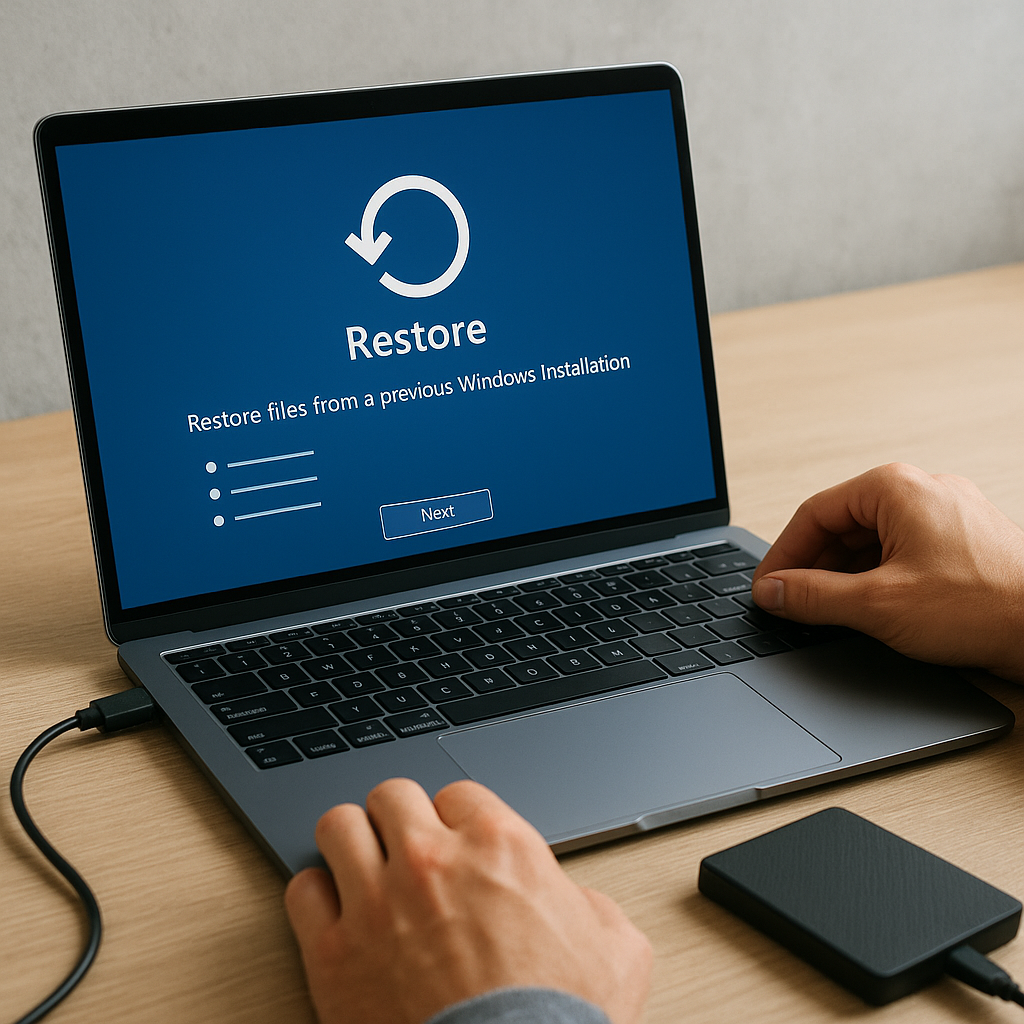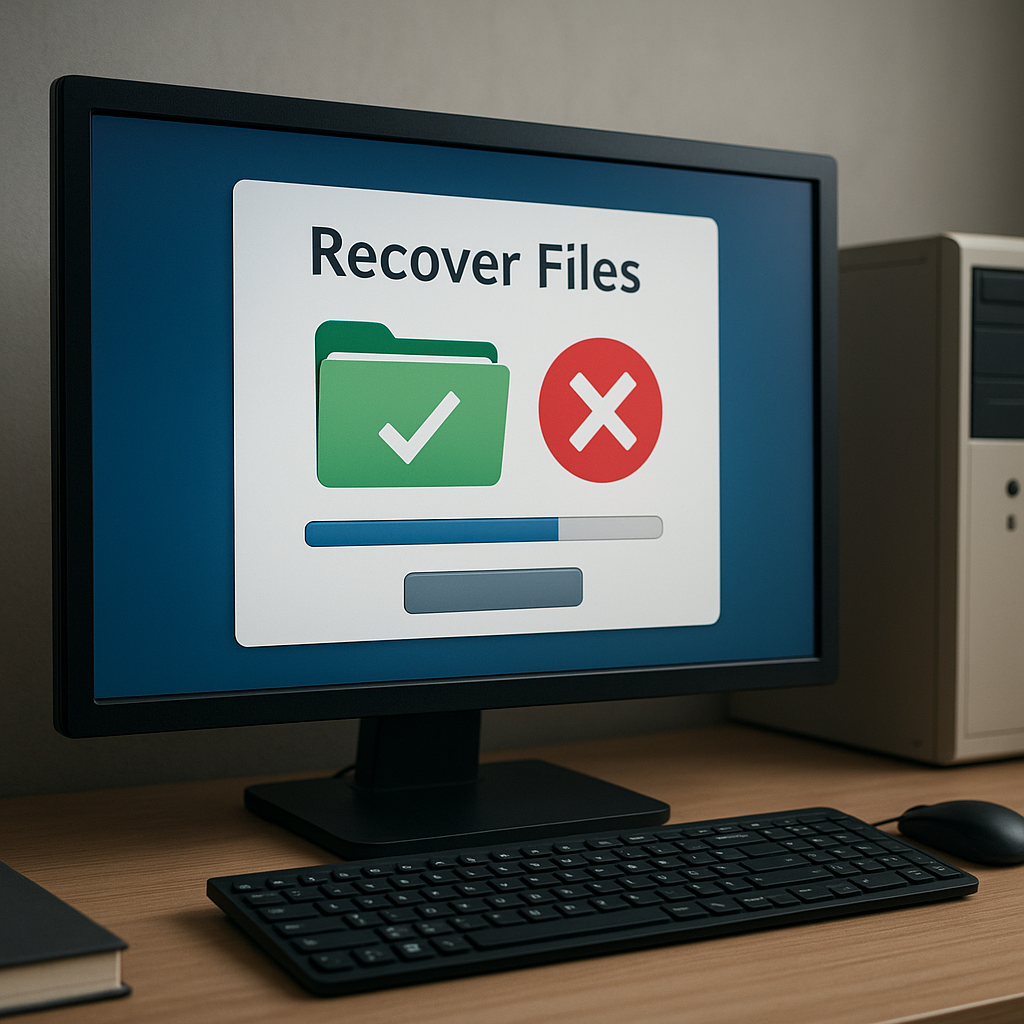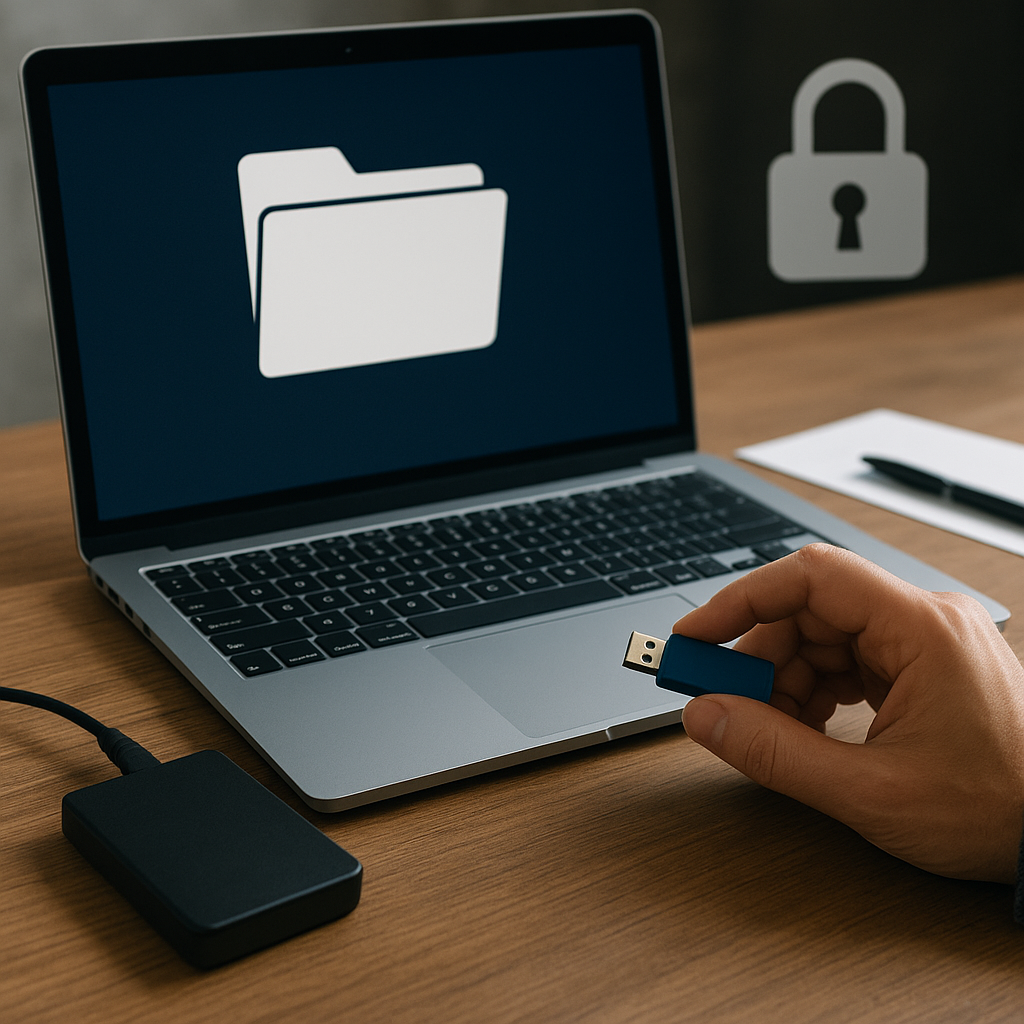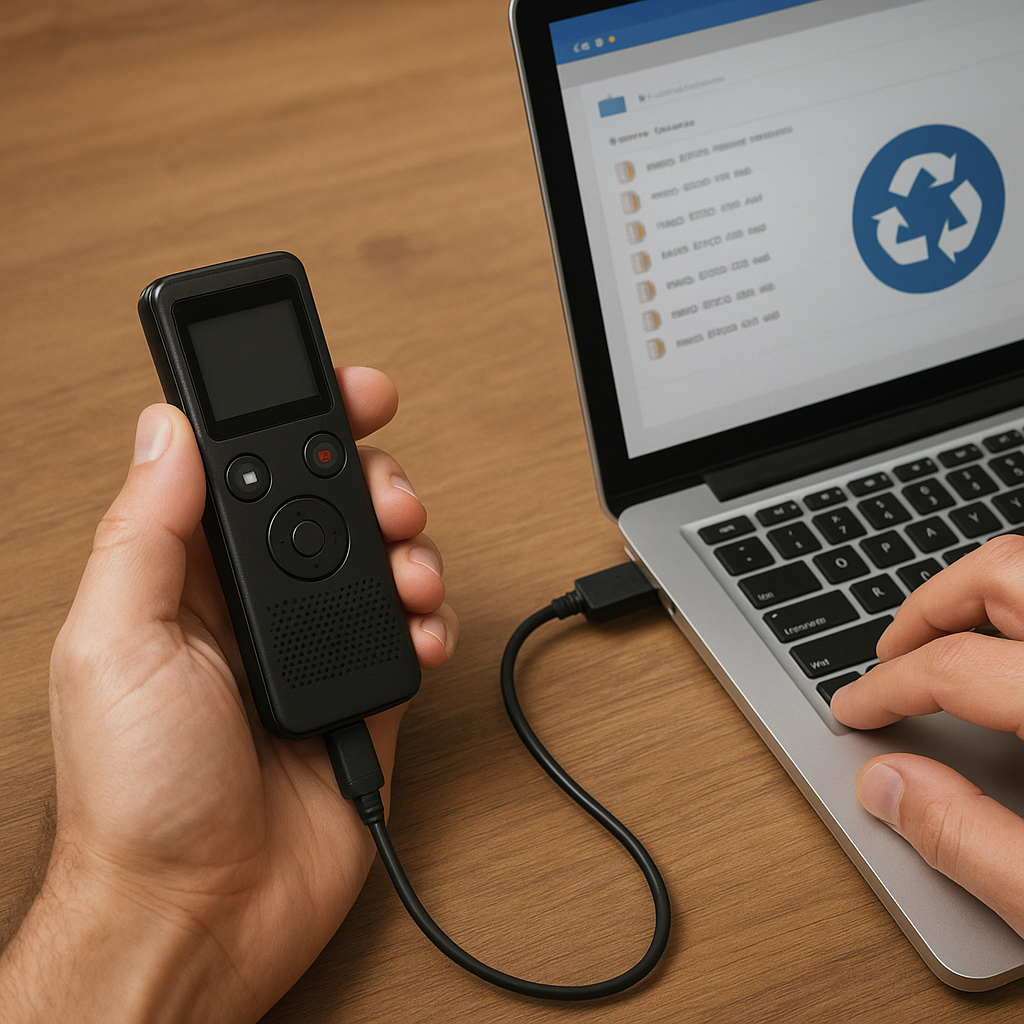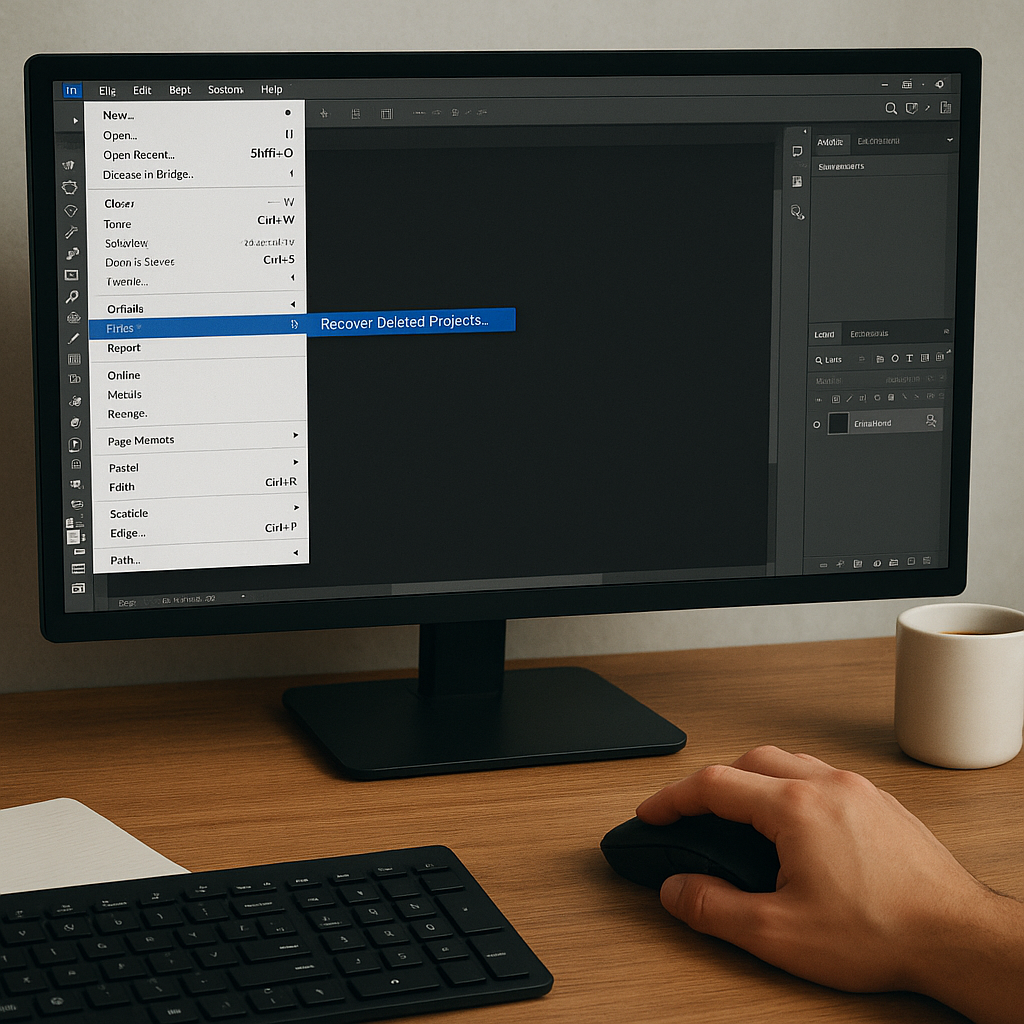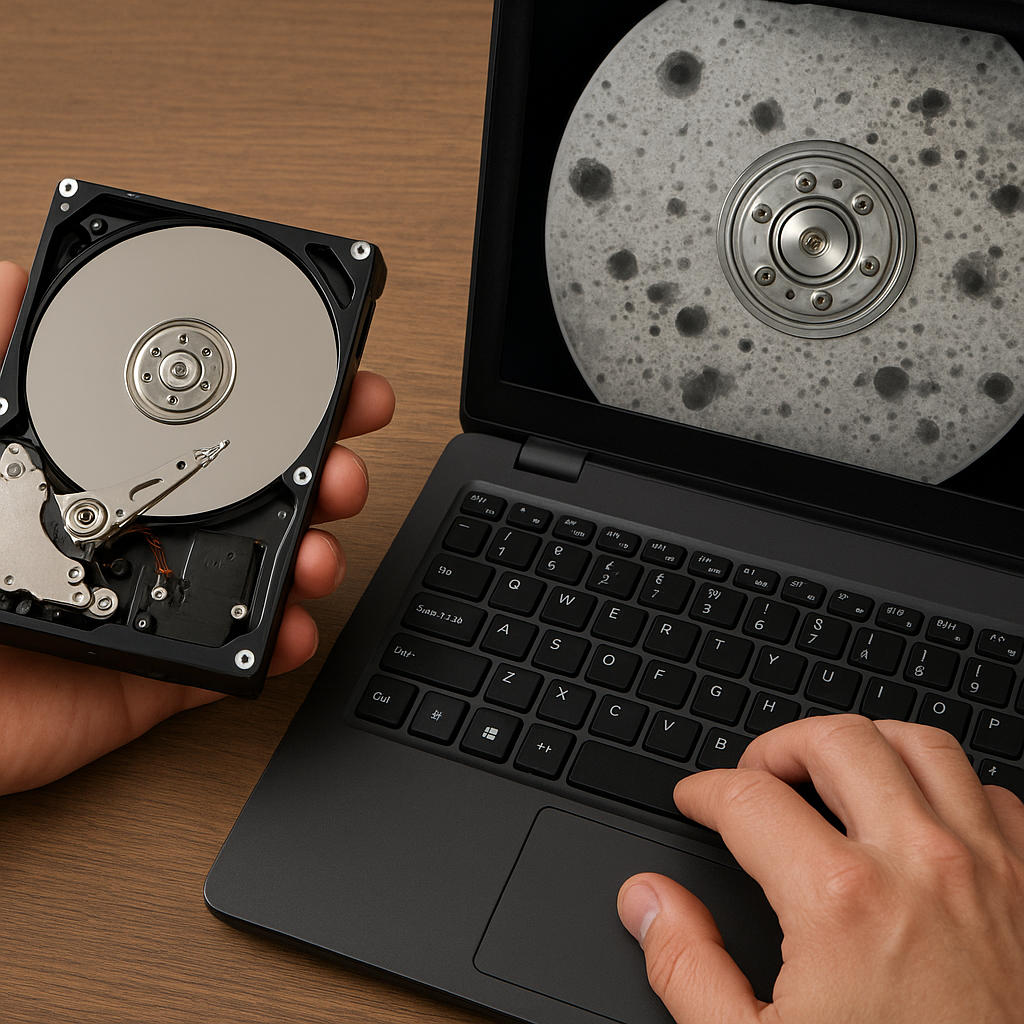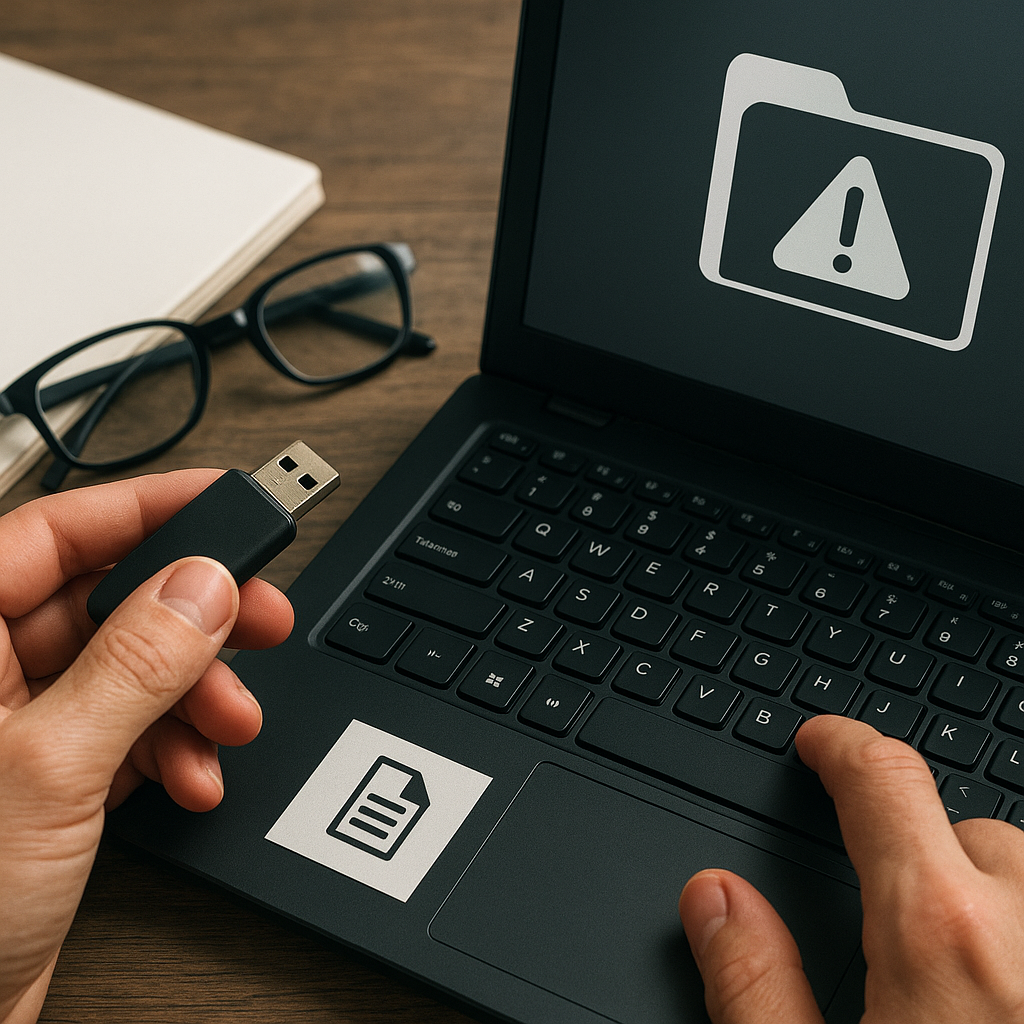
Data loss caused by a corrupted USB stick can disrupt workflows, threaten important memories and stress any user. Recovering files from a damaged drive demands the right blend of knowledge, reliable tools and precise steps. This guide offers a thorough exploration of common causes of USB corruption, recommended recovery software and a detailed process to restore your precious data.
Understanding USB Stick Corruption
Corruption on a USB flash drive can occur due to various problems. Identifying the root cause helps you choose the most effective recovery strategy. Common factors include:
- Unsafe removal leading to incomplete write cycles
- File system errors in FAT32, exFAT or NTFS
- Physical damage to the memory chip or controller
- Malware infection targeting removable media
- Voltage spikes or power loss during data transfer
When a stick exhibits symptoms such as unrecognition by the operating system, error messages like “drive needs to be formatted,” or unusual file sizes and names, it indicates logical or physical corruption. Logical damage affects the file system and directory structure, whereas physical issues involve hardware faults.
Essential Recovery Tools and Software
Selecting the right application is critical for a successful recovery. Below are two categories of utilities: free open-source options and commercial suites. Each has unique advantages and should be matched to the complexity of your situation.
Open-Source and Free Utilities
-
TestDisk
– A powerful command-line tool for repairing partition tables and recovering deleted partitions. Works on multiple file systems and supports recovery of damaged boot sectors.
-
PhotoRec
– Bundled with TestDisk, specialized in file carving. Recovers hundreds of file formats by scanning data blocks regardless of file system integrity.
-
Recuva
– User-friendly Windows application by Piriform. Offers a simple wizard interface to scan for deleted or corrupted files and restore them to a safe directory.
-
CHKDSK
– Built-in Windows utility for finding and repairing file system errors. Can fix minor corruption without third-party tools; run via Command Prompt with specific flags.
Commercial Recovery Software
-
EaseUS Data Recovery Wizard
– Comprehensive software for Windows and macOS. Features deep scan, file preview and selective recovery. Often praised for a high success rate on damaged drives.
-
Disk Drill
– Available for both major operating systems. Offers advanced filtering, byte-to-byte backups and raw recovery. Integrates health monitoring for storage media.
-
Stellar Data Recovery
– Robust tool with options for recovering lost partitions, formatted media and encrypted files. Includes a disk imaging feature to ensure data safety during the process.
-
R-Studio
– Aimed at professionals. Supports network recovery, advanced RAID reconstruction and hexadecimal data analysis. Suitable for complex or enterprise-level tasks.
Step-by-Step Restoration Process
A methodical approach maximizes recovery chances and minimizes further damage. Follow these structured stages:
1. Initial Inspection and Preparation
- Physically inspect the USB stick for damage. Ensure the connector pins are intact and free of debris.
- Connect the drive to a reliable USB port. Avoid hubs on the first attempt.
- Use Disk Management (Windows) or Disk Utility (macOS) to confirm the operating system recognizes the device. Note the reported file system and partition status.
- Make a sector-level image or clone of the drive. Tools like ddrescue (Linux) or Disk Drill’s byte-to-byte backup function help preserve the current state and prevent further wear.
2. File System Repair
- For Windows, open Command Prompt as Administrator and run:
chkdsk X: /f /r
Replace X with the drive letter. The /f flag fixes errors, while /r locates bad sectors. - On macOS, launch Terminal and type:
diskutil repairVolume /Volumes/YourUSBName
- If the system suggests formatting, do not format. Instead, proceed with file recovery tools that work on unmounted or raw devices.
3. Deep Scanning and Recovery
- Launch your chosen data recovery software. For TestDisk, select the affected drive, choose the partition table type, and run “Analyse.” Use “Deeper Search” if needed.
- With PhotoRec, pick the correct partition or “Whole Disk,” then select file formats to recover. Direct the output to a separate storage medium.
- For GUI tools, initiate a Deep Scan or “Complete Recovery” mode. Monitor the scanning progress and pause if the process overheats the drive.
- Filter recovered items by file type, date or size. Preview images, documents and videos before final extraction to save space.
4. Handling Recovered Data
- Save files to a different physical disk or network location. Never restore onto the same USB stick until it is verified stable.
- Verify file integrity by opening various documents, images and presentations.
- For partially corrupted files, specialized repair utilities like Stellar Repair for Video or OfficeRecovery can reconstruct damaged content.
Implementing Best Practices for Future Safety
Preventing recurrence is as important as successful restoration. Adopt these habits and procedures:
- Always use the “Safely Remove Hardware” or “Eject” function before unplugging.
- Maintain regular backups via cloud services or local network drives. Implement an automated schedule.
- Scan removable media with antivirus software after each insertion into any computer.
- Avoid exposing USB sticks to extreme temperatures, moisture or electromagnetic interference.
- Invest in high-quality, brand-name flash drives with built-in error correction and wear leveling.
- Periodically format and rewrite the entire device to refresh the file system and detect bad blocks early.