Experiencing a sudden system crash can be a daunting moment, especially when critical documents vanish after a Blue Screen Error. This guide will walk you through effective methods to rescue your important files, leveraging powerful recovery techniques and specialized software. By following these steps, you’ll maximize the chances of a successful retrieval while maintaining data integrity and minimizing further damage.
Understanding Blue Screen Errors and Data Loss
How a Blue Screen Manifests
A Blue Screen Error, often called a stop error or BSOD, signals that Windows has encountered a critical issue it cannot resolve. When this happens, the operating system halts, displaying error codes that hint at hardware failures, driver conflicts, or corrupted system files. Although the immediate concern is restoring normal operation, the underlying risk is the potential loss of unsaved or even permanently stored data.
Common Triggers of Data Corruption
- Faulty hardware components like failing hard drives or memory modules
- Incompatible or outdated device drivers
- Malware or ransomware attacks that disrupt the file system
- Power surges or abrupt shutdowns causing write interruptions
- Operating system bugs and unexpected software conflicts
When a BSOD interrupts write operations, files in the process of being saved may become corrupted or entirely inaccessible. Understanding these scenarios helps tailor the most appropriate recovery approach.
Preparing for Data Recovery
Selecting Reliable Recovery Software
Choosing the right tool is paramount. Look for solutions with a proven track record in handling severe crashes and supporting diverse storage media. Key features to consider include deep sector-level scanning, raw data recovery, and compatibility with various file formats. A reliable program will also offer a user-friendly interface, clear instructions, and an option to preview results before restoring.
Creating a Safe Working Environment
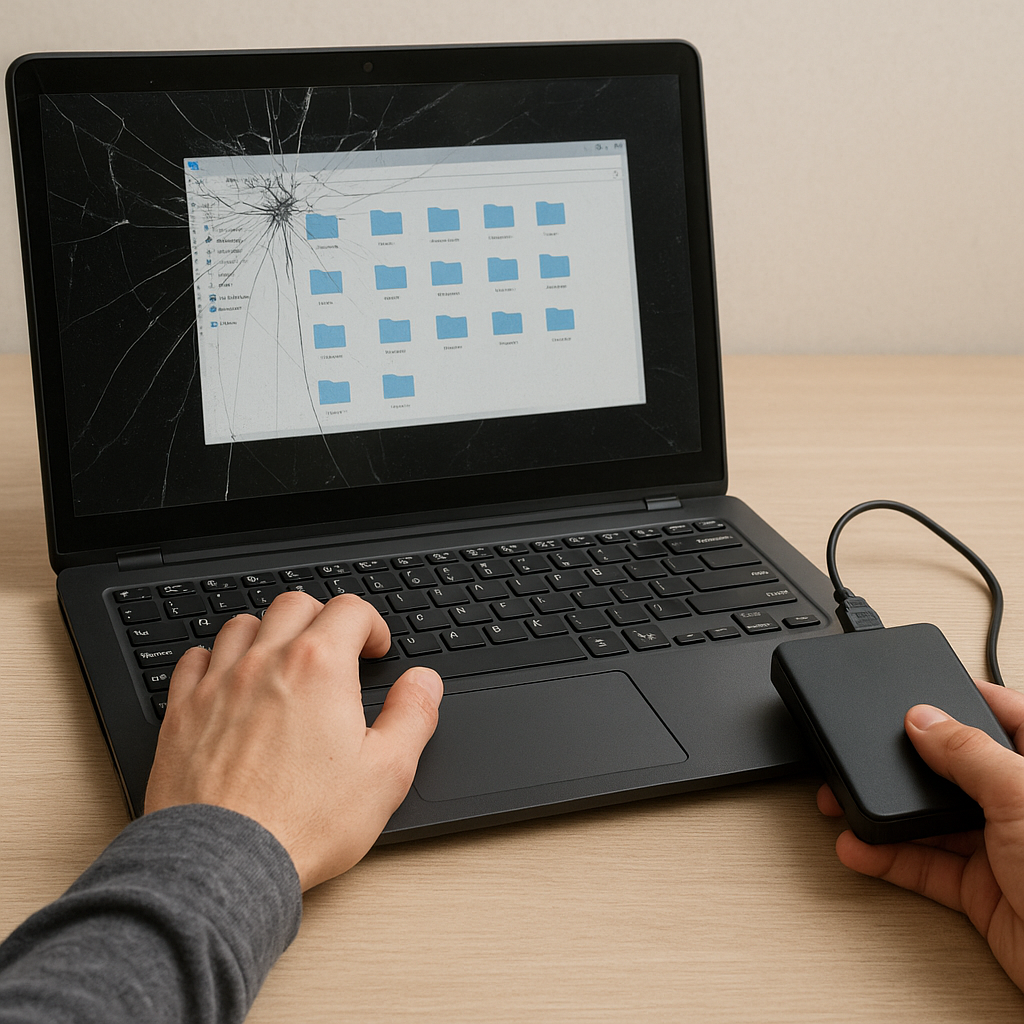
Before you begin, avoid writing any new data to the affected drive to preserve the integrity of existing sectors. Ideally, prepare a separate storage device—such as an external HDD or SSD—to store recovered files. Some advanced tools require booting from a bootable USB stick or CD/DVD if the OS is unstable. This approach prevents further overwrites and ensures a clean environment for the scan.
Backing Up Critical System Information
- Save your current partition layout and master boot record (MBR).
- Create a disk image of the entire drive to work on a clone, not the original.
- Note down system configurations, installed drivers, and BIOS settings.
By capturing these details, you can revert hardware changes or restore boot sequences if needed, reducing the risk of additional failures.
Step-by-Step File Recovery Process
1. Initial Drive Assessment
Launch your selected recovery tool and allow it to detect connected storage devices. Ensure the affected disk appears in the list and is not marked as fully “unallocated” or completely damaged. If the drive fails to mount, some software offers a “raw” or “deep” scan mode for low-level access.
2. Performing the Scan
Choose between a quick scan for recently deleted items and a thorough sector-by-sector scan for all lost files. While a deep scan takes longer, it uncovers data fragments even in heavily corrupted areas. Monitor the progress and avoid interrupting the process, as pausing mid-scan may hamper the final results.
3. Previewing Recovered Items
After scanning, browse the preview pane to inspect recoverable documents, images, and media files. This feature allows you to verify the completeness and readability of each item before committing to a full recovery. Employ filters to sort by file type, date modified, or size to streamline your selection.
4. Restoring and Saving Files
- Select all items you wish to retrieve.
- Choose your prepared external drive or a different partition as the recovery destination.
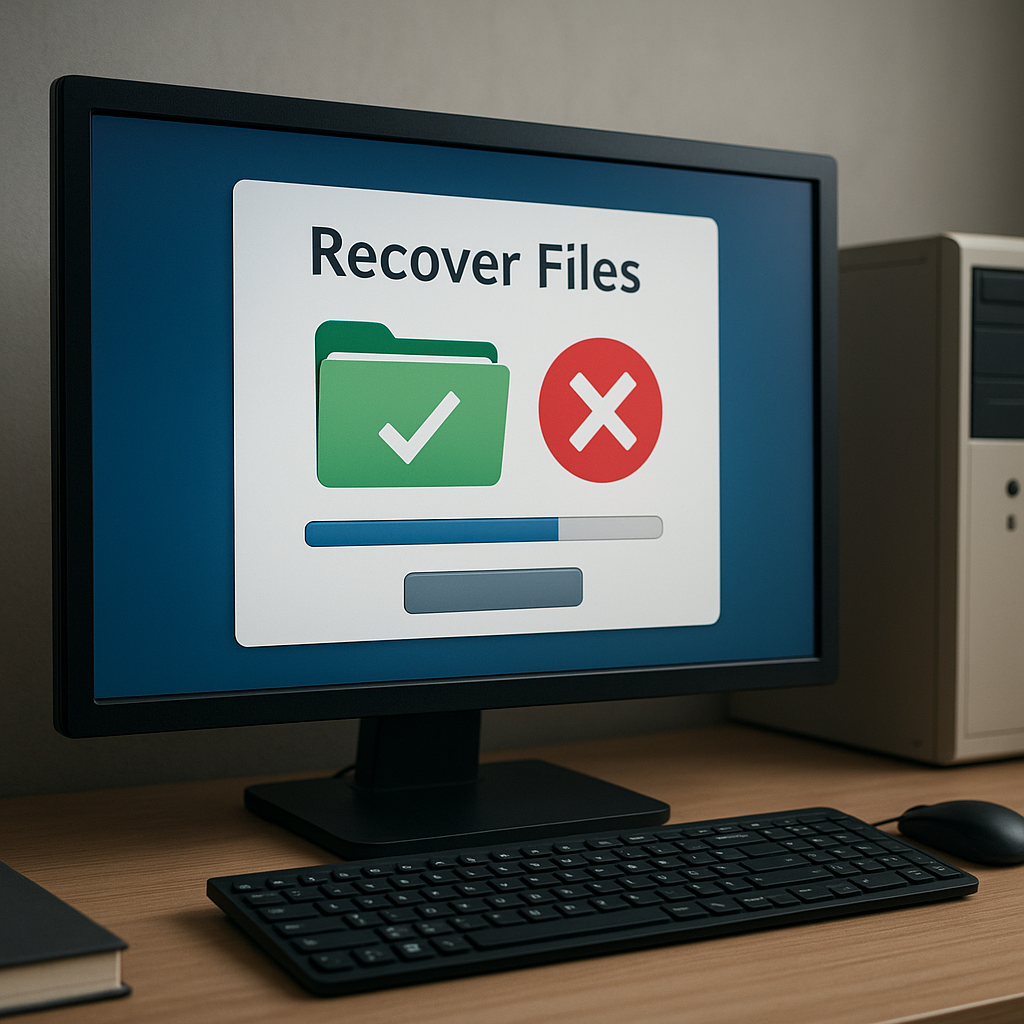
- Click the Recover button and wait for the process to finish.
Never restore files back to the same drive you’re recovering from—this can overwrite data you haven’t yet salvaged. Once the operation ends, verify the recovered items by opening a few random files to ensure they function properly.
Advanced Techniques and Troubleshooting
Handling Severely Corrupted Partitions
If partitions are missing or the file table is destroyed, specialized modules can reconstruct directory structures based on signature patterns. This advanced recovery may list files by type rather than their original paths, but it often rescues critical content when standard methods fail.
Repairing Disk Errors
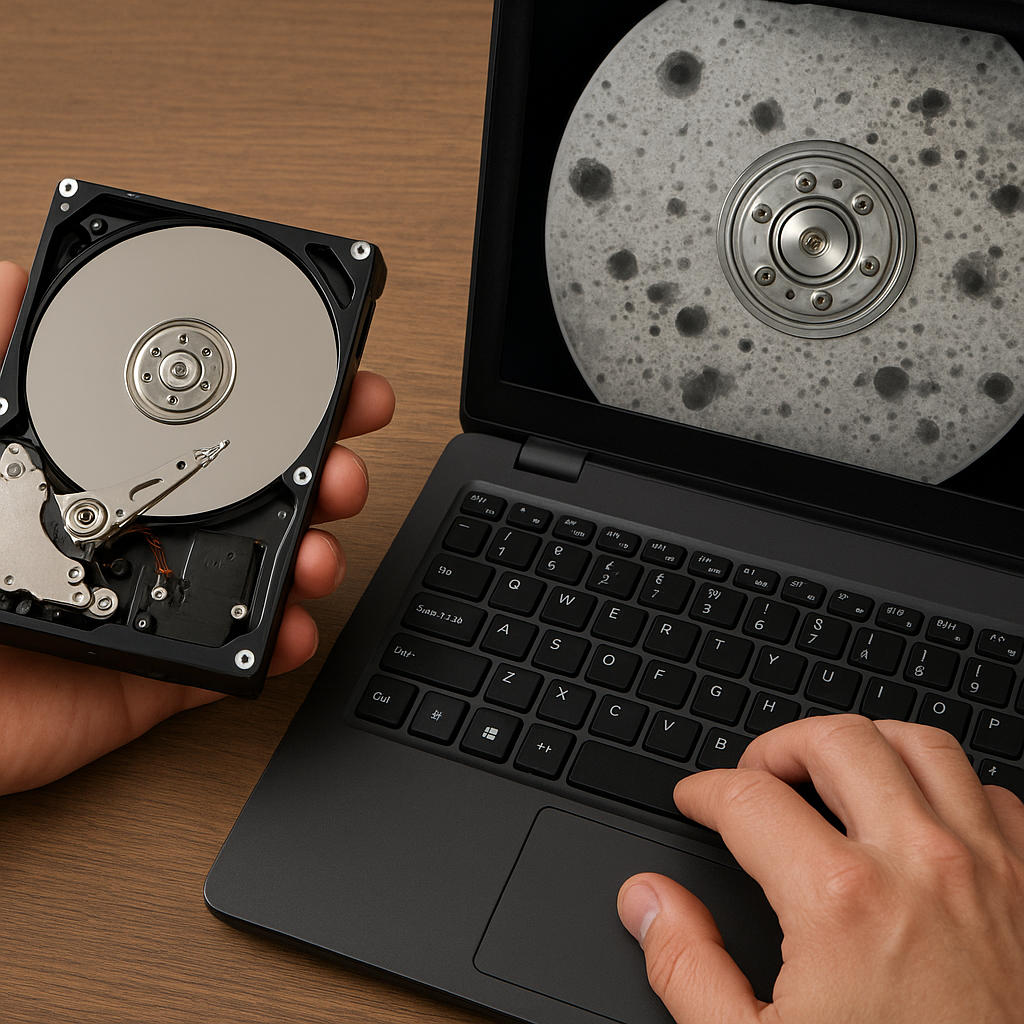
In situations where bad sectors hinder recovery, consider running built-in utilities like CHKDSK on a clone of the drive. Some third-party tools provide surface tests to map defective blocks, isolating them from the recovery process. Always work on an image to preserve the source drive.
Dealing with Encrypted or Compressed Data
Data encrypted by system-level tools or compressed within archives requires the correct password or key. Preload any necessary decryption modules or specify compression algorithms within your recovery software settings.
Best Practices to Prevent Future Data Emergencies
- Implement a multi-layered backup strategy: local copies, network-attached storage, and cloud solutions.
- Keep your operating system, drivers, and firmware up-to-date to avoid compatibility issues.
- Install reputable antivirus and antimalware suites to shield your system from threats.
- Use an uninterruptible power supply (UPS) to protect against sudden shutdowns.
- Regularly create full disk images and verify their integrity with checksum tools.
By adopting these habits, you’ll reduce the likelihood of data loss and ensure quicker recovery in case of future system failures.