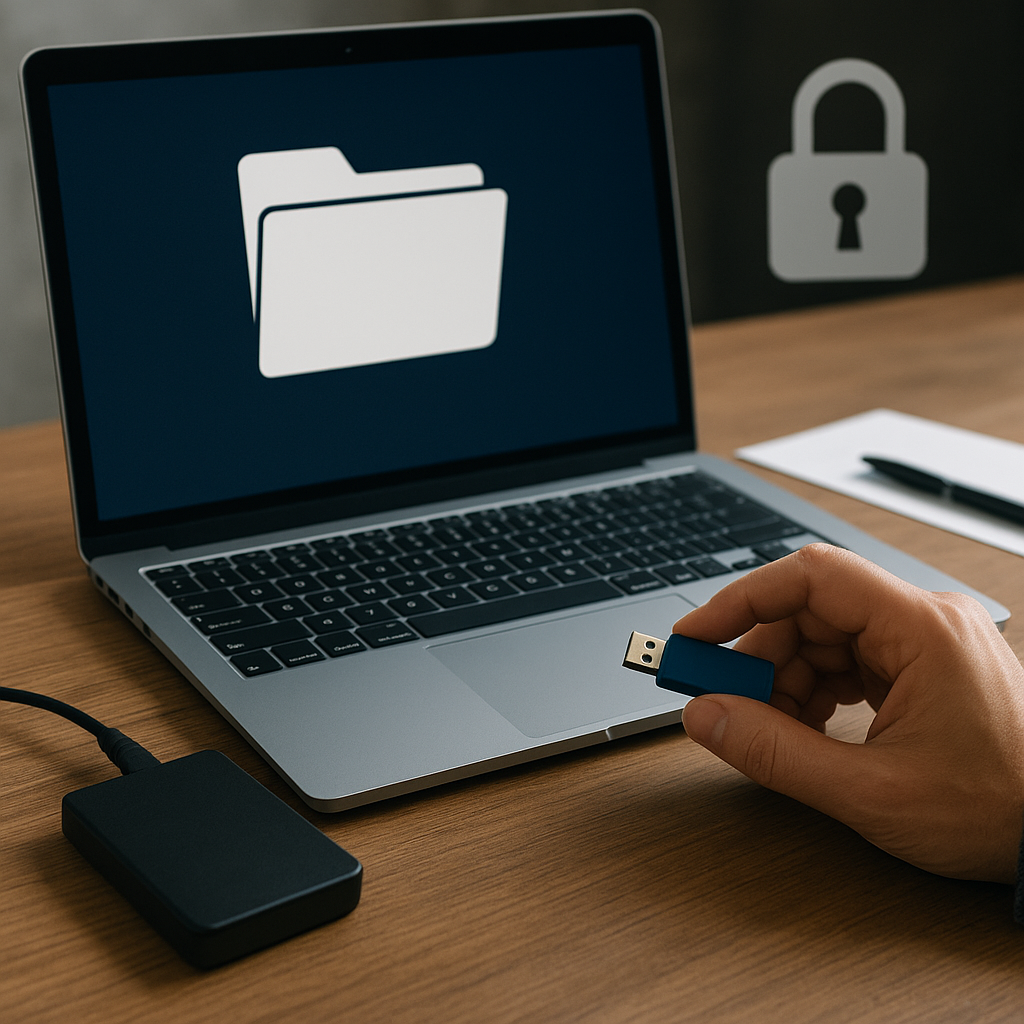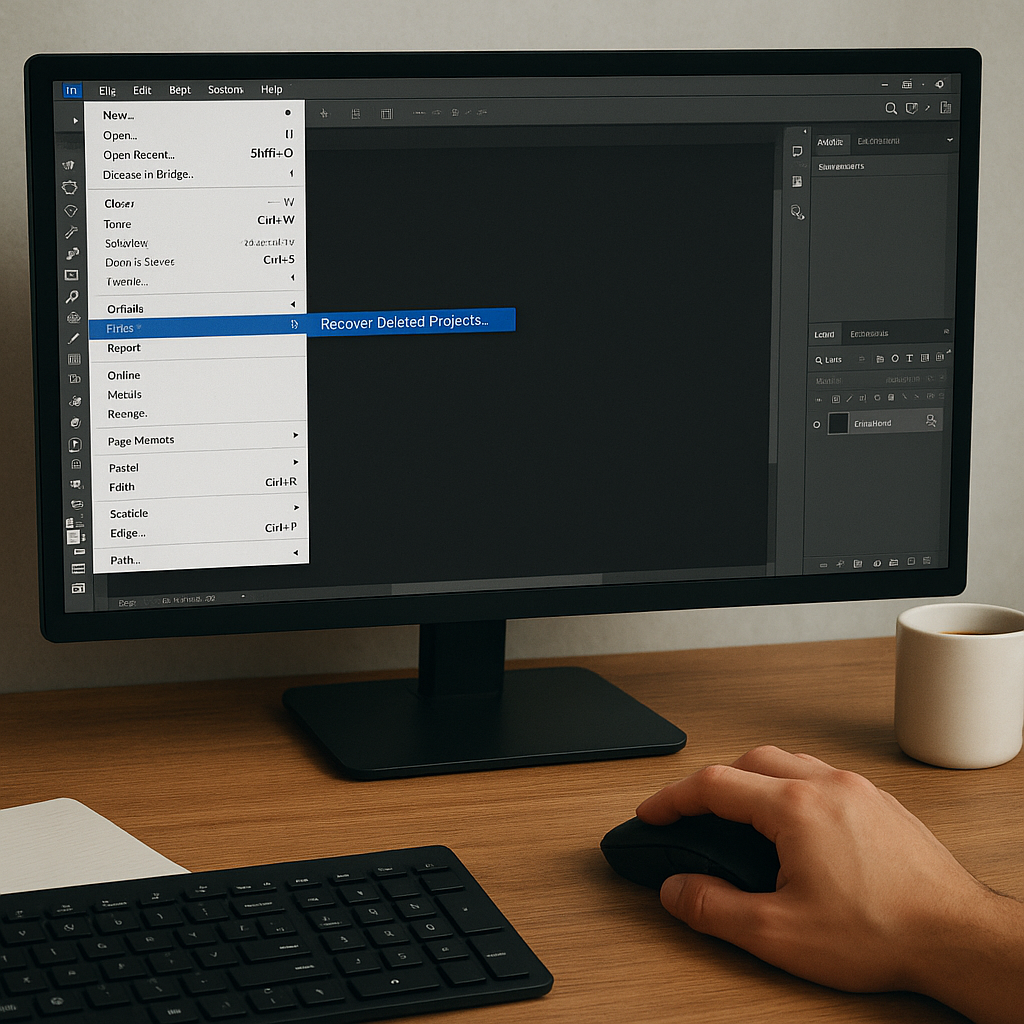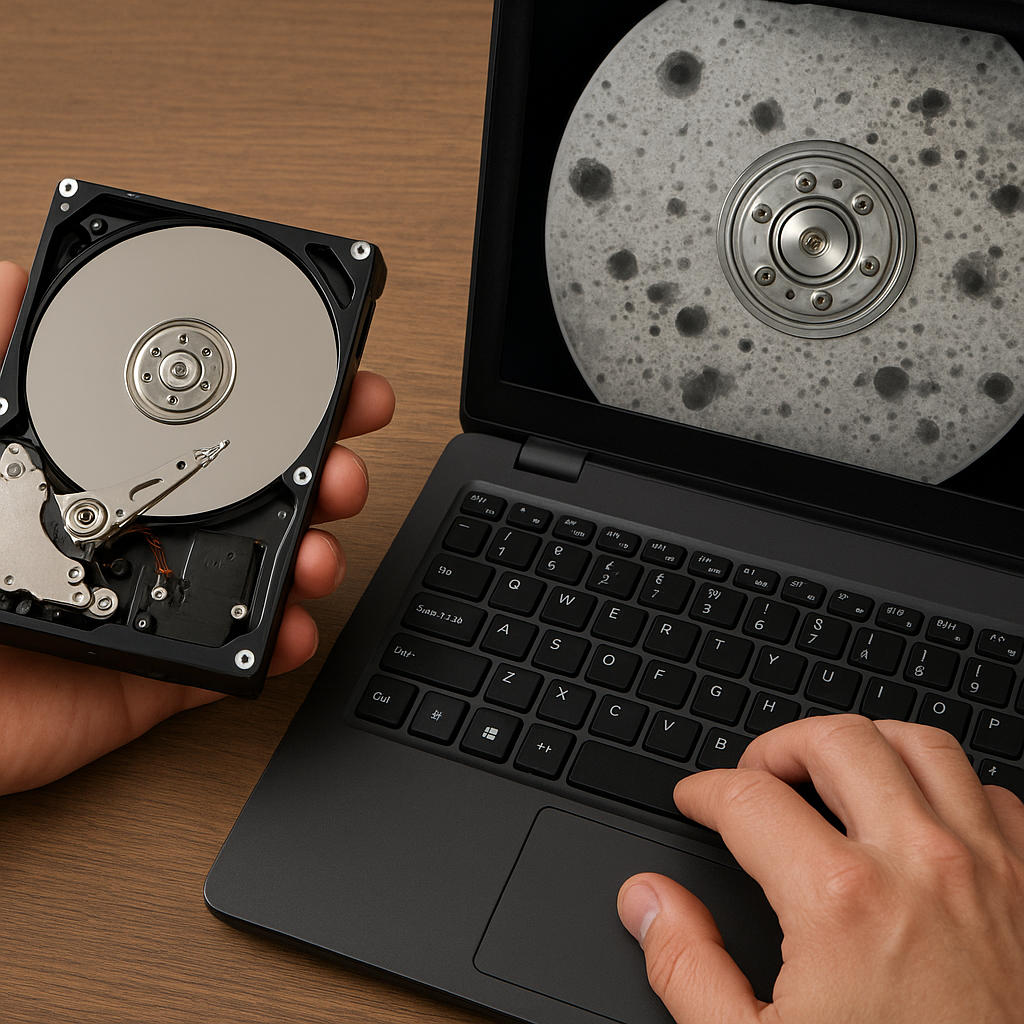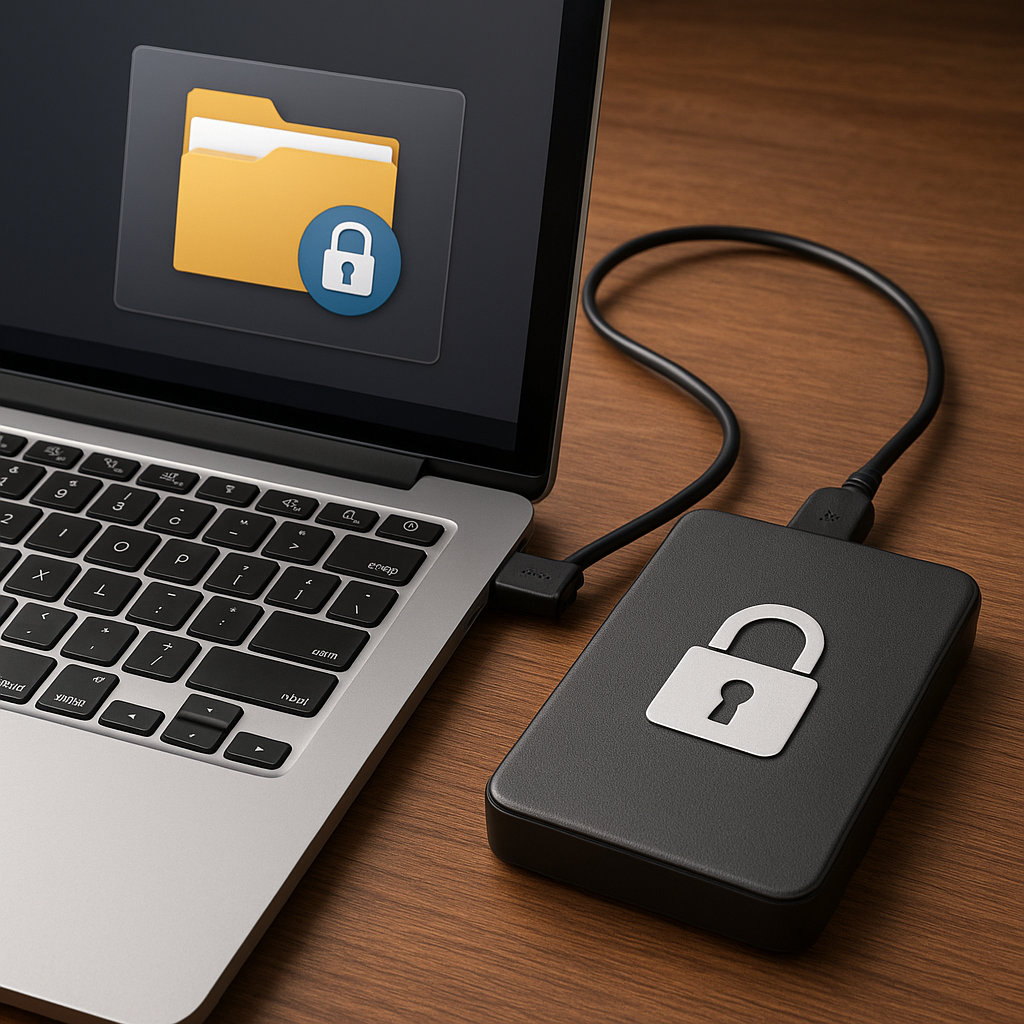
Recovering files from a password-protected drive can feel like navigating a labyrinth without a map. You might worry about losing precious photos, work documents, or critical databases forever. However, with the right strategies and tools, you can regain access without compromising data integrity or resorting to risky shortcuts. This article delves into proven techniques, explores top-tier recovery solutions, and highlights the **essential** steps to salvage your information securely and efficiently.
Understanding Password-Protected Drives
Modern storage devices often employ powerful encryption schemes to safeguard data. Whether using built-in OS encryption or third-party utilities, the process typically involves converting plain information into an unreadable format unless the correct key is provided. Several factors make recovery challenging:
- Encryption Strength: AES-256 and other advanced ciphers offer robust protection.
- File System Complexity: NTFS, exFAT, APFS, and Ext4 each introduce unique structures.
- Authentication Protocols: Multi-factor setups combine passwords with tokens or biometrics.
Before attempting recovery, it’s imperative to respect legal boundaries and ensure you have proper authorization. Unauthorized attempts to bypass security can lead to irreversible damage or legal consequences.
Key Strategies for File Recovery
When facing a locked drive, a systematic approach increases the odds of success. Here are five core strategies you should consider:
- Imaging the Drive: Create a sector-by-sector clone to preserve the original state. This minimizes the risk of accidental overwrites and maintains **data integrity**.
- Brute-Force Methods: Automated tools can attempt numerous password combinations. While time-consuming, modern GPU acceleration can dramatically reduce cracking times.
- Dictionary Attacks: Leverage word lists tailored to common passwords or personal references. Custom dictionaries often outperform generic lists.
- Known-Plaintext Attacks: If you possess any unencrypted fragments, specialized software can exploit these to reveal the encryption key.
- Hardware-Based Techniques: Devices like FPGA crackers specialize in speeding up cryptographic computations, offering a significant advantage over purely software-based solutions.
Each method carries trade-offs between speed, complexity, and success rates. Combining multiple tactics can provide the best outcome, especially when dealing with sophisticated encryption.
Choosing the Right Recovery Software
An effective recovery toolkit balances **functionality**, usability, and support. Below are key features to look for:
- Supported File Systems: Ensure compatibility with your target drive’s format, whether FAT, NTFS, HFS+, Ext, or proprietary systems.
- Encryption Handling: Look for solutions that explicitly mention support for your encryption algorithm, such as BitLocker, FileVault, or VeraCrypt.
- Brute-Force and Dictionary Integration: Built-in attack engines eliminate the need for additional components.
- Resume and Checkpoint Functionality: Long-running tasks should allow pausing and resuming without losing progress.
- Hardware Acceleration: Compatibility with GPUs or specialized hardware accelerators can reduce recovery time from weeks to days or hours.
- User-Friendly Interface: A clear UI or command-line interface with detailed logs helps track progress and identify issues.
Popular solutions include open-source and commercial offerings. Free tools may suffice for basic tasks, but enterprise-grade software often provides advanced features, priority support, and frequent updates.
Advanced Techniques and Best Practices
Once you’ve selected your software and established an imaging workflow, consider these advanced methods to optimize recovery efforts:
Using Forensic Tools to Analyze Encryption Metadata
Professional forensic suites can extract encryption metadata, such as salt values, initialization vectors, and key derivation parameters. With this data, you can tailor attack strategies more effectively. Examples of such tools include open-source frameworks and specialized commercial kits designed for law enforcement and corporate investigations.
Leveraging Distributed Computing
For high-strength ciphers, solo GPU cracking may still be insufficient. Distributing the workload across multiple machines or cloud instances can significantly accelerate recovery. Platforms that support distributed tasks allow you to harness unused computational power in a secure environment.
Password Profiling and Social Engineering
Often, users choose predictable passwords based on birthdays, names, or favorite phrases. Conduct a thorough interview or gather background information to refine your dictionary. This type of password profiling can reduce brute-force time dramatically and improve success rates.
Maintaining Data Chain of Custody
If recovery is performed in a legal context or corporate setting, documenting every step is crucial. Log imaging procedures, software versions, and user interactions. A clear chain of custody ensures the recovered data remains admissible in court or internal audits.
Legal and Ethical Considerations
Accessing password-protected information without explicit consent may breach privacy laws or professional standards. Always verify:
- You have written authorization from the data owner.
- Recovery activities comply with relevant regulations, such as GDPR or HIPAA.
- Confidential materials are handled via secure channels and encrypted storage.
Ethical recovery not only protects you from legal repercussions but also upholds the trust placed in your expertise.
Maximizing Success Rates
Following these guidelines can dramatically enhance your ability to recover files from a password-protected drive:
- Perform Regular Backups: Proactive backups remain the best defense against data loss.
- Test Recovery Workflows: Validate your procedures on noncritical drives to identify weaknesses.
- Stay Updated: Encryption algorithms evolve, and so do cracking techniques. Use up-to-date software to benefit from the latest optimizations.
- Invest in Training: Skilled technicians can navigate complex scenarios that automated tools alone cannot resolve.
By combining technical knowledge with well-chosen software and adhering to legal frameworks, you can turn a daunting drive lock into a recoverable challenge.