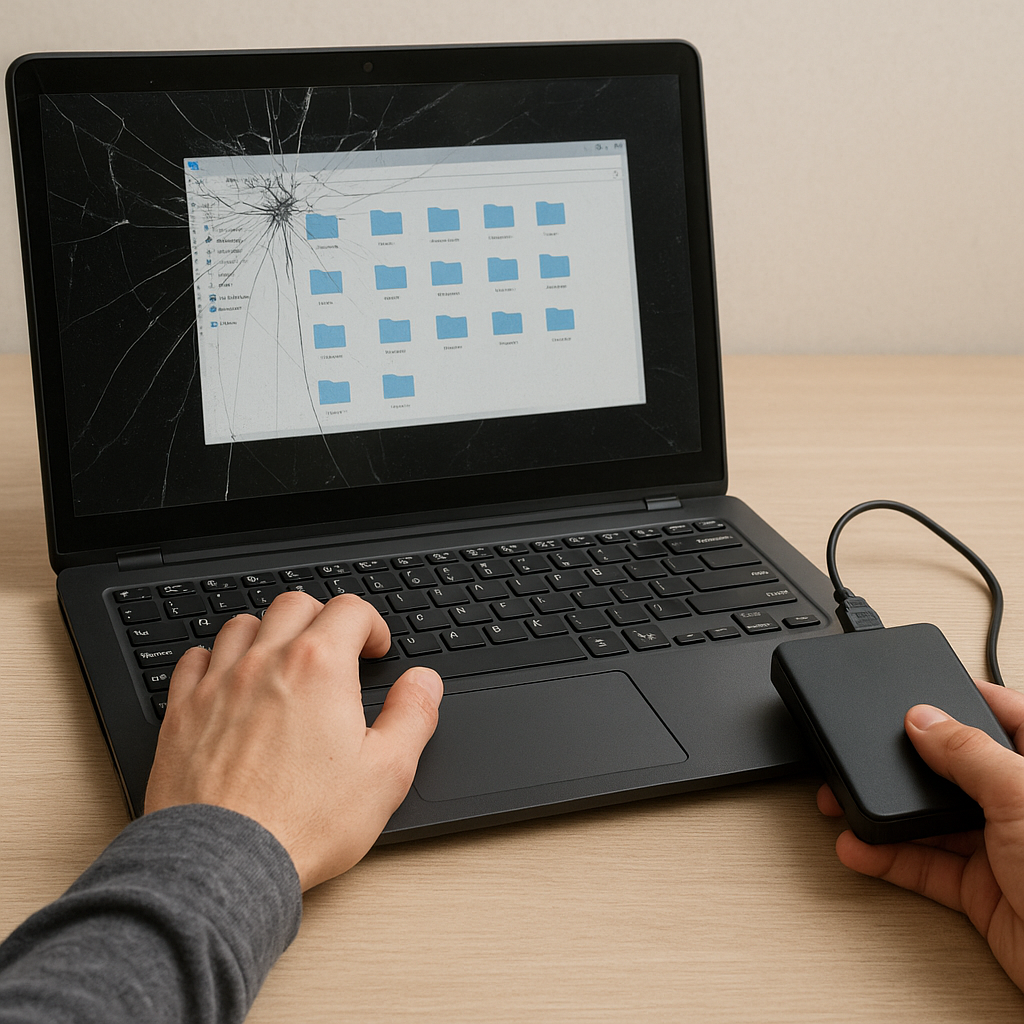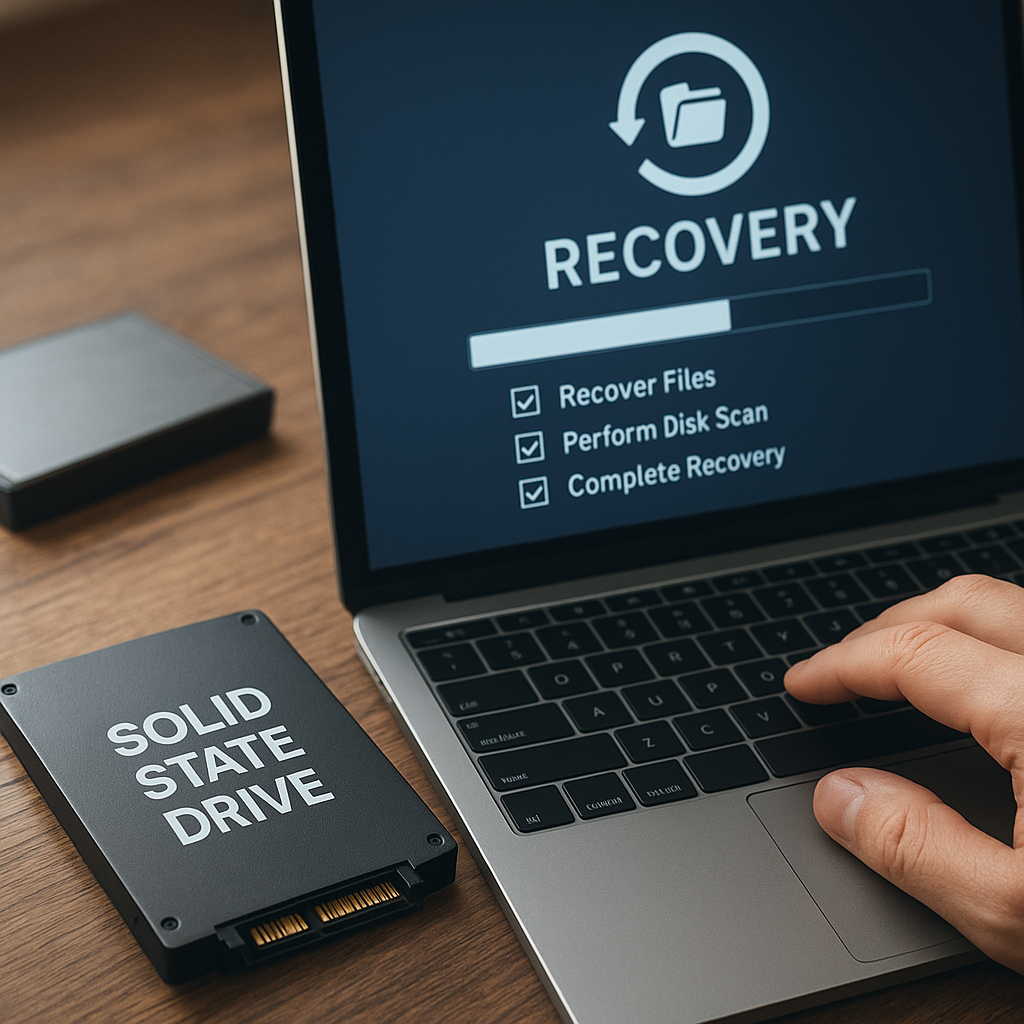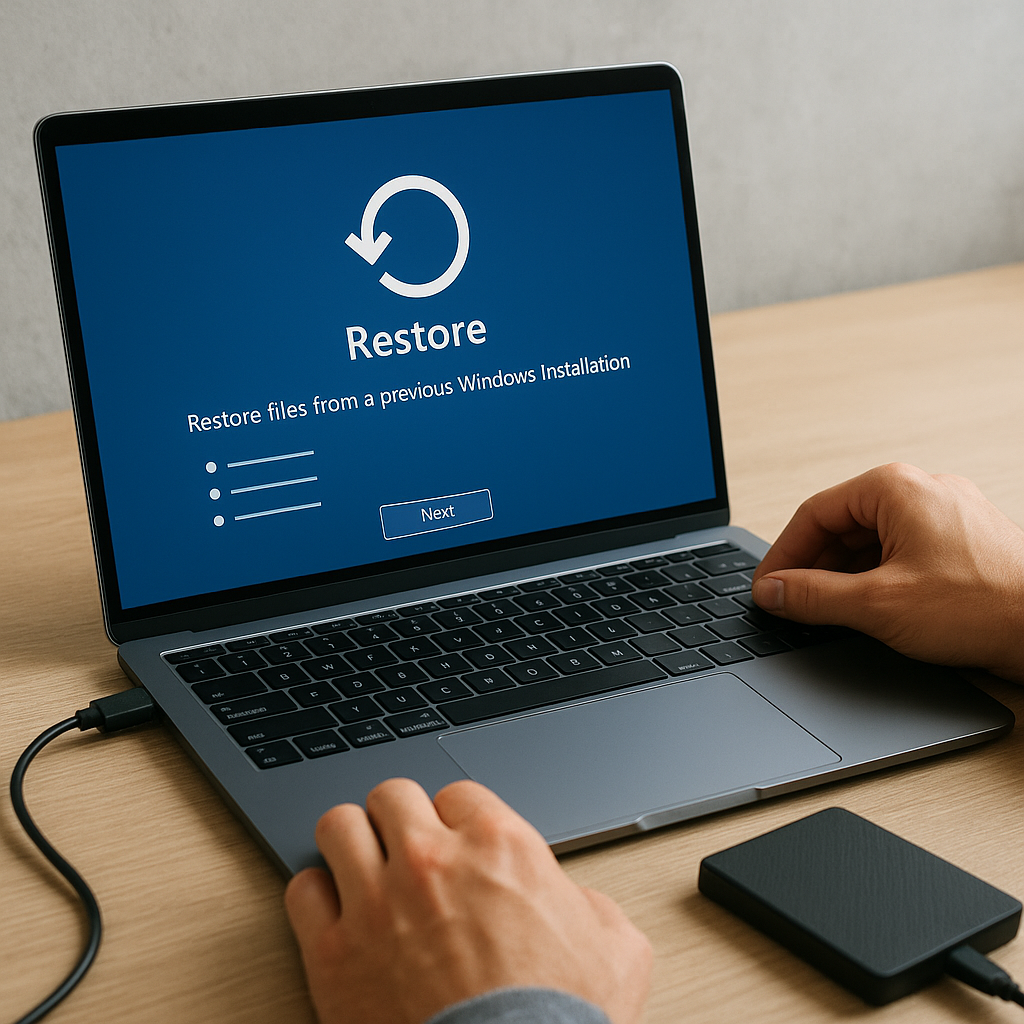
Recovering lost data after a Windows rollback can feel like navigating a labyrinth without a map. Whether you’ve experienced an unexpected system update, driver conflict, or simply pressed the wrong button, the outcome often remains the same: crucial files vanish. This guide dives into practical strategies, highlighting powerful recovery tools, methodology, and prevention tips to ensure you can fetch your valuable documents, photos, and videos back to safety.
Understanding Windows Rollback and Data Loss
When Windows encounters a faulty update or driver installation, it may trigger a rollback to the previous stable configuration. While this mechanism aims to maintain system integrity, it can inadvertently remove recent changes, including newly created or modified files. Recognizing how this process works is vital before launching any recovery operations.
What Triggers a Rollback?
Several scenarios might lead Windows to initiate a rollback:
- Failed Windows Update installation
- Corrupted system files or missing dependencies
- Conflict between new drivers and hardware
- Manual rollback via System Restore
During rollback, the system replaces core files, reverses registry changes, and may overwrite sectors where your recent data resided.
Impact on Your Data
Files can be lost in different ways:
- Deleted user profiles or folders
- Overwritten clusters on the hard drive
- Corrupted directories preventing normal access
- Temporary files removed to free space
Understanding these modes of data loss helps in selecting the correct recovery approach and avoiding further damage.
Choosing the Right Recovery Software
Selecting an appropriate software solution is a critical step that defines the success rate of your retrieval efforts. Not all tools offer the same capabilities, and some may carry risks like malware or inadequate support.
Key Features to Consider
- Deep Scanning: Ability to perform sector-by-sector analysis to unearth remnants of lost files.
- File Type Recognition: Support for a wide range of formats, including documents, images, audio, and video.
- Partition Recovery: Capability to rebuild or recover entire partitions lost during rollback.
- Preview Function: Allows you to verify file integrity before committing to recovery.
- Read-Only Operation: Ensures no further overwriting occurs on the affected drive.
Popular Tools on the Market
Here is a selection of reputable utilities known for high efficiency and extensive feature sets:
- Recuva – user-friendly interface, ideal for quick undelete jobs
- Disk Drill – robust scanning engines with multiple recovery modules
- EaseUS Data Recovery Wizard – straightforward wizards and partition recovery
- R-Studio – advanced features suited for IT professionals and data centers
- MiniTool Power Data Recovery – solid balance of features for home users
Before downloading, ensure the tool is compatible with your Windows version and does not install onto the affected drive.
Step-by-Step Guide to Recovering Your Files
Follow these methodical steps to maximize your chances of safe recovery:
1. Stop Using the Affected Drive
Immediately cease any write operations to the impacted partition to prevent overwritten clusters, which can permanently erase lost files.
2. Prepare a Recovery Environment
- Install the chosen recovery software on a separate drive or an external USB.
- Ensure you have adequate free space on another storage medium to export recovered data.
- If possible, boot from a live recovery USB to minimize further writes.
3. Run a Quick Scan
Begin with a quick scan to detect recently deleted files or lost directories. This method is faster and may locate intact files that haven’t been fragmented.
4. Perform a Deep or Full Scan
If the quick scan yields incomplete results, initiate the deep scan for an in-depth sweep of every sector. While time-consuming, this thorough approach often uncovers files that were partially overwritten or reside in unallocated space.
5. Preview and Select Files
Most advanced tools provide a preview pane. Use it to verify the integrity of documents, images, and other file types. Mark the most critical items for recovery first.
6. Recover to a Safe Location
Always restore files to a different drive than the one scanned. This ensures that no new data is written to the source, preserving any remaining recoverable content.
Best Practices to Prevent Future Data Loss
While recovery solutions can be lifesavers, prevention remains the gold standard. Implement these strategies to shield your data from future setbacks:
Regular Backups
- Maintain automated backups to external drives or cloud services.
- Use versioning systems that let you revert to previous file states.
- Employ both local and offsite backup methodologies for redundancy.
System Restore Points
Create restore points before major updates or software installations. This practice reduces reliance on full rollbacks and preserves critical system files.
Trusted Update Sources
Avoid unauthorized downloads. Stick to official Windows Update channels and verified vendor sites for driver installations to minimize conflicts.
Drive Monitoring
- Use SMART monitoring tools to detect early signs of hardware failure.
- Regularly defragment (for HDDs) or optimize (for SSDs) to maintain efficiency and longevity.
User Access Control
Limit administrative privileges on daily-use accounts. This reduces the risk of inadvertent system rollbacks or unauthorized changes.
By combining proactive measures with the right recovery software and a systematic workflow, you can mitigate the risks of data loss and ensure that, even after a Windows rollback, your files remain within reach.