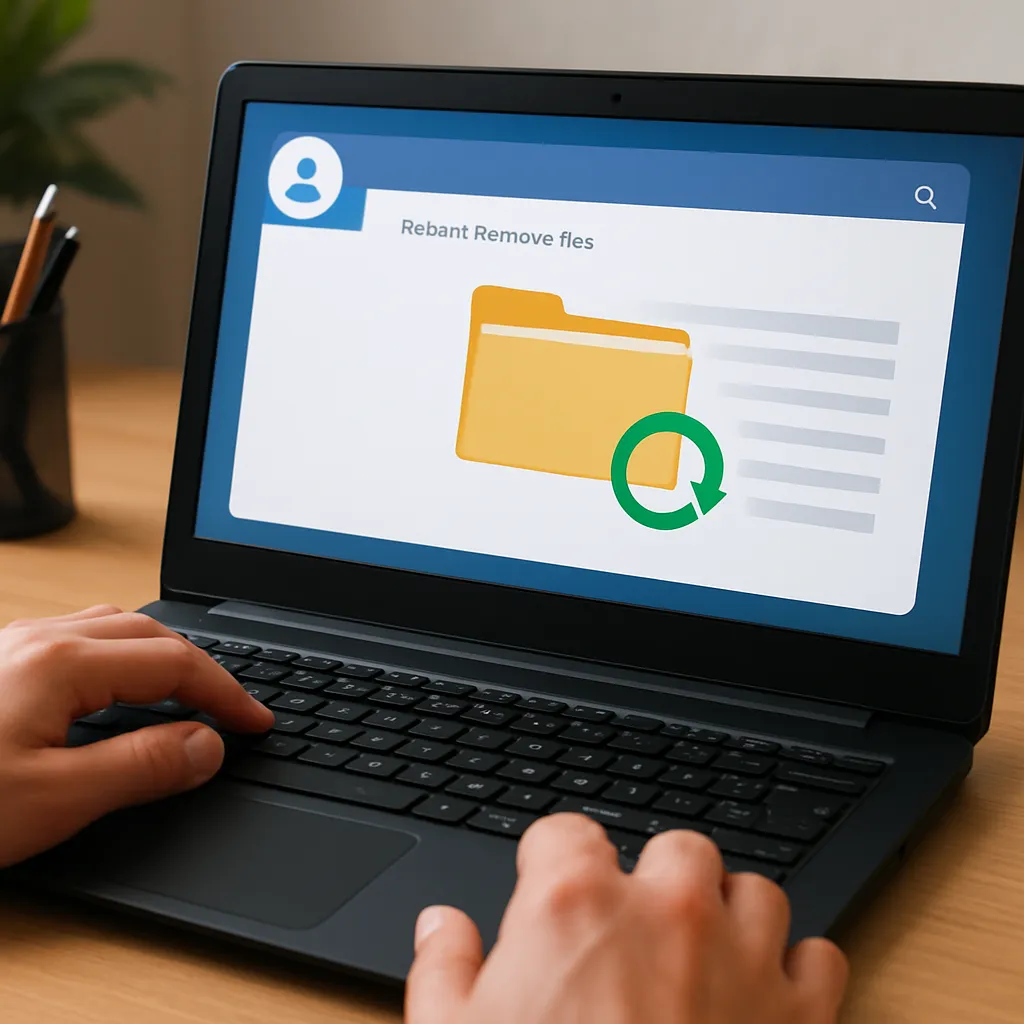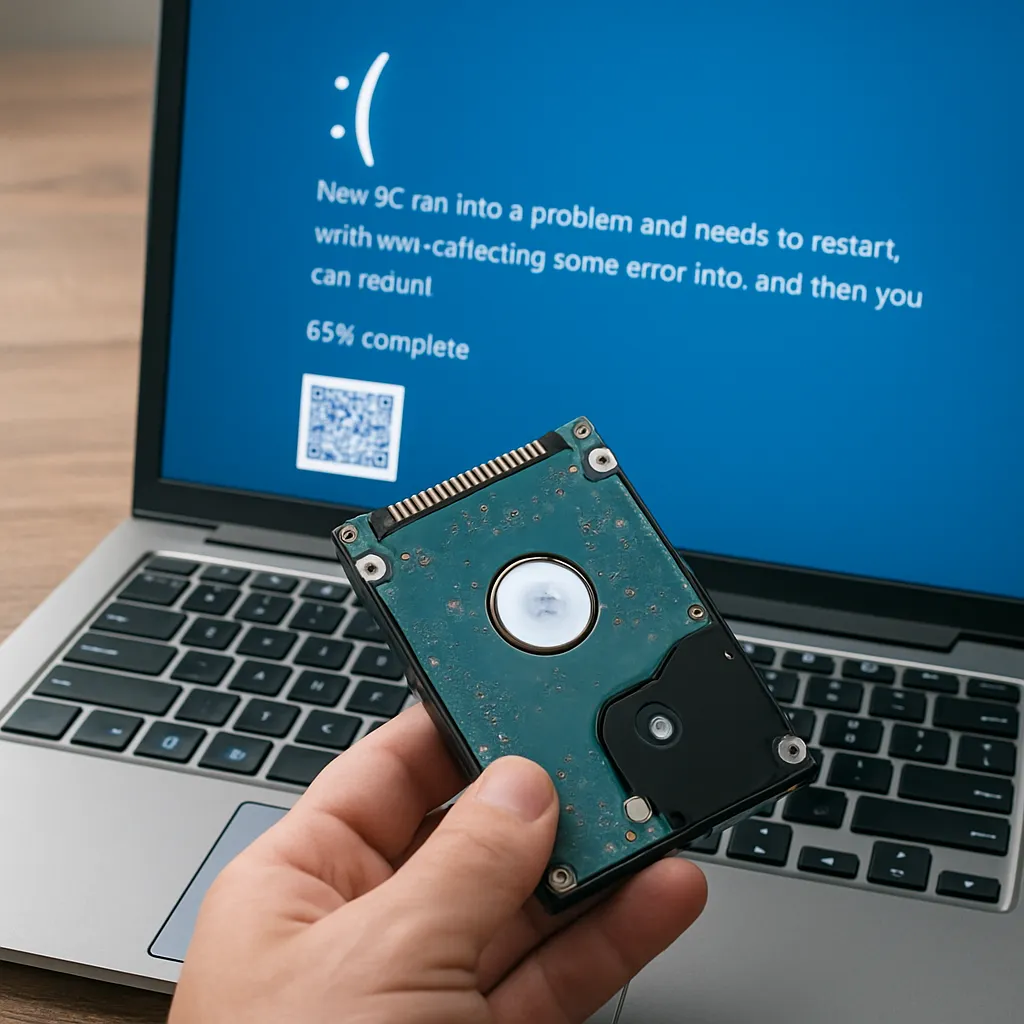
Accidentally deleting crucial documents from a USB drive or an external HDD can be a nightmare, especially when these files represent important work, cherished memories, or critical project data. Fortunately, with the right recovery software and an understanding of the underlying processes, you can often retrieve lost files from various types of external media. This guide will walk you through the essentials of file deletion, choosing the best tools, and executing a successful recovery process.
Understanding File Deletion and Data Loss
When you press “Delete” or format a storage device, the operating system doesn’t immediately erase the file contents. Instead, it updates the file system entries to mark those sectors as available for new data. Until those sectors are overwritten, specialized software can scan and reconstruct the original files. However, factors such as corruption, hardware failure, or frequent writes to the device can complicate recovery.
Common Causes of Data Loss
- Accidental Deletion: The most frequent reason users lose data. Files removed from external drives often bypass the Recycle Bin.
- Formatting: Quick or full formats clear file system pointers, making previously stored data appear inaccessible.
- File System Errors: Improper disconnection or system crashes can corrupt partition tables.
- Virus and Malware Attacks: Malicious software may intentionally erase or encrypt files.
- Physical Damage: Spills, drops, or mechanical failure in HDDs can impair data integrity.
Choosing the Right Recovery Software
Selecting a robust recovery solution is crucial for maximizing the chance of retrieving lost files. When evaluating different tools, consider the following attributes:
- Supported Media and Formats: Ensure compatibility with your external drive type—USB flash, SSD, HDD—and file systems like NTFS, FAT32, exFAT, EXT4.
- Scanning Algorithms: Deep scan or raw recovery modes can recover files without file system metadata, but at the cost of longer processing times.
- Preview Functionality: A built-in preview lets you verify file integrity before recovery, saving time and storage space.
- Recovery Speed: Balance thoroughness with performance; incremental scanning can speed up the search for recently deleted items.
- User Interface: A guided wizard and clear instructions minimize mistakes, especially for non-technical users.
Popular tools often combine these features. For instance, some applications excel at recovering office documents and images, while others handle complex video file reconstruction more effectively. Always download software from reputable sources to avoid bundled adware and potential malware.
Step-by-Step Recovery from External Media
Follow these proven steps to maximize your recovery success and prevent further data loss:
1. Stop Writing to the Device
Immediately cease all read/write operations on the affected media. Continuing to add or modify files increases the risk of overwriting the very data you want to recover.
2. Connect the External Drive Safely
Use a reliable USB port or docking station. If a drive exhibits clicking sounds or intermittent connectivity, consider creating a sector-by-sector image first to avoid additional wear.
3. Install and Configure Recovery Software
- Choose a computer drive as the installation target, not the one you wish to recover, to prevent overwriting.
- Disable any automatic backups or defragmentation services that might engage once the software runs.
- Select the appropriate scanning mode (quick vs. deep). A quick scan is faster but less comprehensive, while a deep scan can recover files after a format or severe corruption.
4. Execute the Scan
Begin with a quick scan to locate recently deleted files. If this fails to yield the expected results, proceed with a deep scan or raw recovery. Monitor the progress, and mark the file types you’re most interested in to speed up retrieval.
5. Preview and Select Files
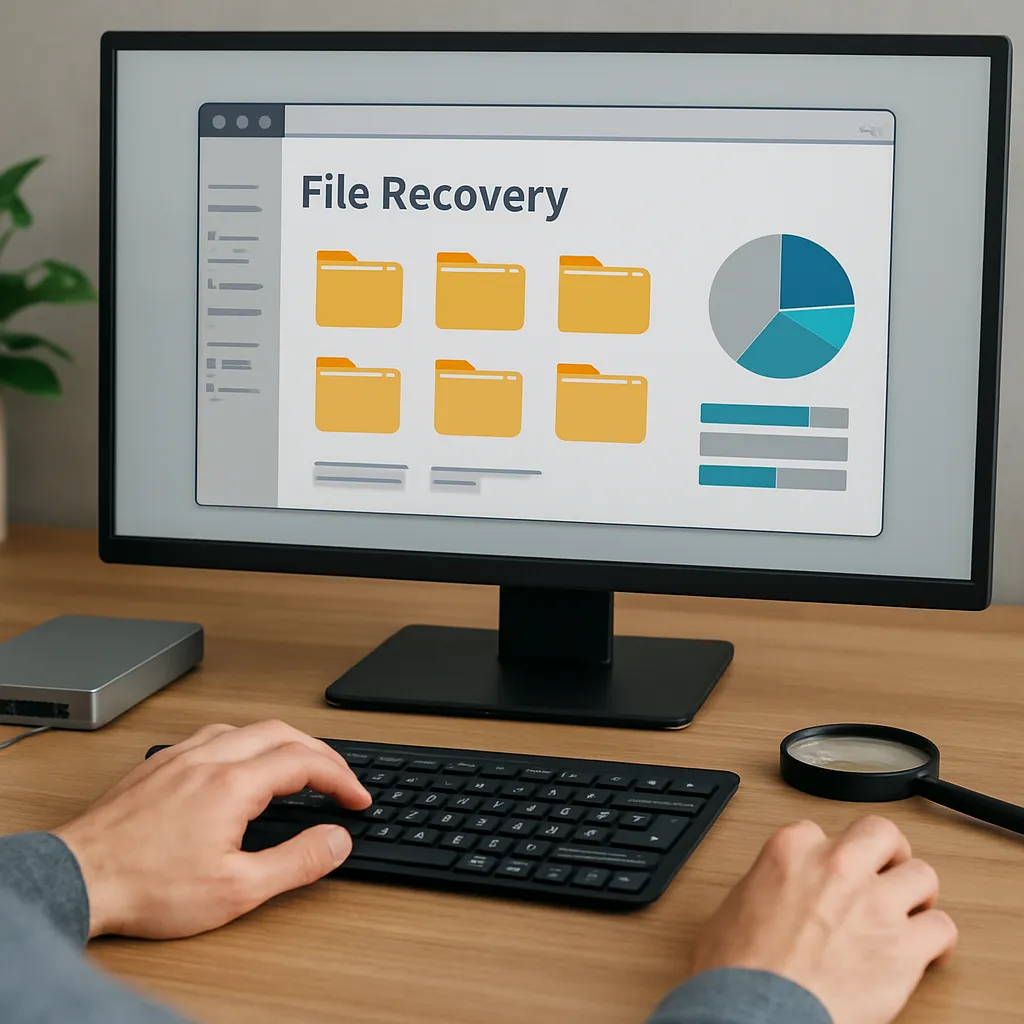
After scanning completes, browse through the results. Use the preview feature to verify document readability or image quality. Pay attention to file dates, sizes, and folder structures to identify the original versions.
6. Choose a Safe Recovery Destination
Recover files to a different drive than the source. This ensures no original data is overwritten and allows you to reorganize recovered data without risk. After successful recovery, you can transfer essential files back to the external media.
Advanced Techniques and Troubleshooting
Sometimes, standard recovery attempts aren’t enough. Here are advanced strategies to tackle challenging cases:
1. Disk Imaging
Create a full sector-by-sector image of the failing drive. This clone protects the original media from further damage and lets you perform unlimited recovery attempts on the image file.
2. Command-line Utilities
For experienced users, utilities like TestDisk or PhotoRec offer powerful scanning options. They can rebuild lost partitions and extract files from damaged file systems without a graphical interface.
3. File Carving
Extract files based on known patterns or headers when directory entries are missing. This method is especially useful for multimedia formats, office documents, and archives.
4. Professional Data Recovery Services
If the drive is physically damaged or DIY efforts fail, consider specialized labs offering clean-room environments. While costly, they employ advanced tools to recover data from severely damaged platters or controllers.
Preventive Measures to Safeguard Your Data
Recovery can be time-consuming and expensive. Adopt these practices to minimize future risks:
- Regular Backups: Implement the 3-2-1 strategy—three copies of data, on two different media types, with one offsite.
- Reliable Media: Invest in durable SSDs or enterprise-grade HDDs for critical data storage.
- Safely Eject Devices: Always use the OS “Safely Remove Hardware” feature to prevent corruption.
- Antivirus Protection: Keep security software updated to block malware that can delete or encrypt files.
- Partitioning Strategy: Divide large drives into multiple partitions. This reduces file system overhead and limits the scope of potential damage.
By understanding the mechanics of file deletion, selecting capable recovery software, and following a structured approach, you can significantly improve your odds of restoring lost data from any external media. Act promptly, avoid additional writes, and leverage advanced techniques when necessary to reclaim your valuable information.