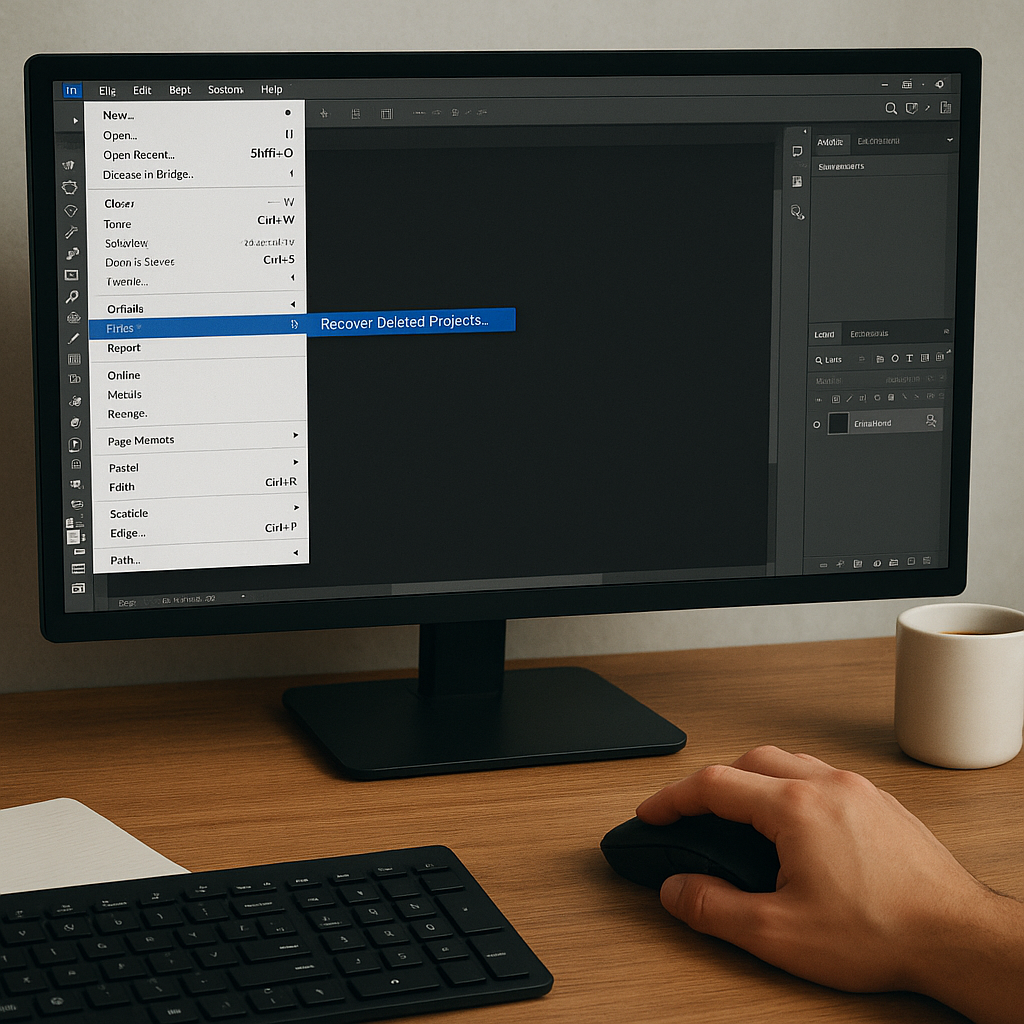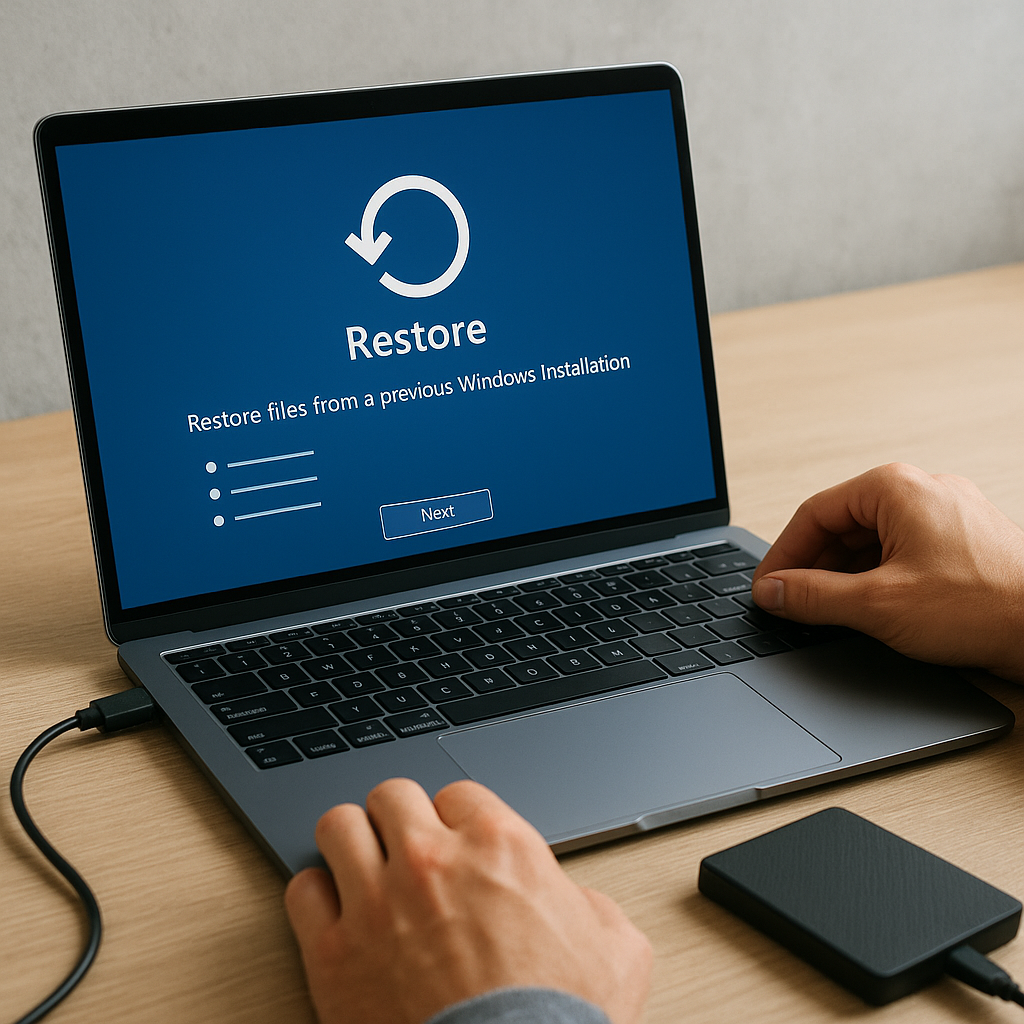
Recovering your valuable documents, photos, and system settings from a prior Windows installation can seem daunting, but with the right approach and reliable methods, you can successfully retrieve lost data. This guide covers essential strategies to regain access to your files stored in the Windows.old folder and beyond, exploring both manual techniques and specialized recovery tools.
Understanding the Previous Windows Installation Folder
When you upgrade or reinstall Windows without formatting the drive, the operating system moves your old system files into a folder called Windows.old. This directory contains your previous installation’s data, including user profiles, program files, and registry settings. It serves as a built-in backup that facilitates restoration of files you might need later.
- Location: By default, the folder resides on your system drive (often C:Windows.old).
- Retention Period: Windows automatically deletes it after 10 days to free disk space.
- Contents: Subfolders mirror the original installation, such as Users, Program Files, and Windows.
Before proceeding, ensure you have adequate free space and that permissions allow you to access the Windows.old directory. If you encounter an “Access Denied” message, you may need to take ownership of the folder via File Explorer’s Security settings or use elevated Command Prompt commands.
Accessing and Restoring Files Manually
Manual recovery requires no additional software installations and leverages built-in Windows features. Follow these steps to extract your files:
Step 1: Open Windows.old
- Launch File Explorer and navigate to C:Windows.old.
- If hidden files are not visible, enable “Show hidden files, folders, and drives” under Folder Options.
Step 2: Browse User Profiles
- Open the Users folder inside Windows.old, then choose your original user account.
- Locate Documents, Pictures, Desktop, Downloads, and other personal folders.
Step 3: Copy and Paste
- Select the files or folders you wish to restore.
- Right-click and choose Copy, then paste them into your current user directory.
Step 4: Handle Permission Issues
- If you face “Access Denied,” right-click the file or folder, go to Properties > Security > Advanced > Owner, and assign ownership to your current user.
- Apply changes to all subfolders and files.
Manual recovery is effective for straightforward file retrieval but may be time-consuming if you have a large volume of data. Additionally, it cannot recover files that were overwritten or deleted before creating Windows.old.
Using Third-Party Recovery Software
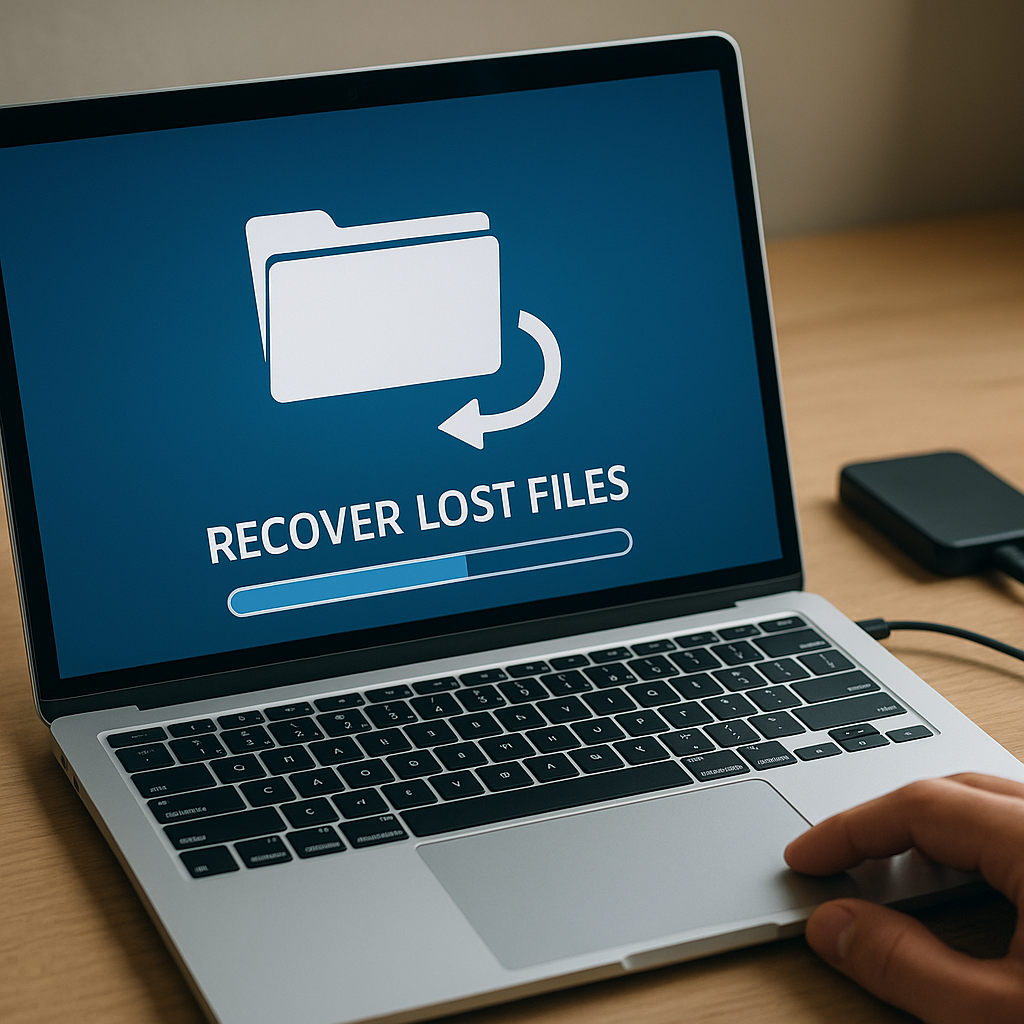
When manual methods fall short, dedicated recovery solutions can locate and restore data from formatted partitions, lost volumes, or corrupted drives. These tools scan disk sectors to find residual file fragments and reconstruct them.
Choosing the Right Tool
- Compatibility: Ensure it supports your Windows version and file systems (NTFS, FAT32, exFAT).
- Features: Look for disk imaging, deep scan, preview options, and selective restoration.
- User Interface: A clear wizard or guided interface simplifies complex tasks.
Popular Recovery Software Recommendations
- Disk Drill – Known for its intuitive UI and robust file signature database.
- Recuva – Lightweight and effective for quick scans on smaller drives.
- EaseUS Data Recovery Wizard – Offers advanced filtering and recovery for large volumes.
Most recovery applications share a similar workflow:
- Install the software on a separate drive to avoid overwriting lost files.
- Launch the program and select the target partition (e.g., C: or the disk formerly containing Windows.old).
- Choose between Quick Scan (faster, finds recently deleted files) and Deep Scan (comprehensive but longer).
- Review found items, filter by file type (documents, images, videos), and preview before recovery.
- Select the files you need and restore them to a different drive to prevent data corruption.
Third-party tools excel at recovering deleted files, even if Windows.old no longer exists. However, their success can vary based on disk activity and whether sectors have been overwritten.
Restoring System Settings and Applications
While retrieving user files is crucial, you may also want to restore application data, registry keys, and system settings from the previous installation.
Copying Application Data
- Navigate to Windows.oldProgram Files and Windows.oldProgram Files (x86) to locate installed applications.
- Some portable applications can run directly from copied folders; others require reinstallation.
- For apps storing data in AppData, check Windows.oldUsers
AppDataLocal and Roaming directories.
Importing Registry Hives
- Open Registry Editor (regedit) with administrative privileges.
- Select HKEY_LOCAL_MACHINE, then go to File > Load Hive.
- Browse to Windows.oldWindowsSystem32Config and open SOFTWARE or SYSTEM hive.
- Assign a temporary key name, export desired branches, and import them back into your current registry.
- Unload the hive after completing the process to maintain system integrity.
Restoring system settings demands caution; always back up your current registry before making changes. Incorrect imports can lead to instability or boot failures.
Preventive Measures and Best Practices
To minimize data loss risks in the future, adopt robust backup and maintenance routines. Implement these best strategies:
- Regular Backups: Use Windows Backup and Restore or third-party tools to schedule full and incremental backups to external drives or cloud storage.
- Disk Imaging: Create periodic system images that capture the entire partition, enabling complete OS and data recovery.
- Versioning: Enable File History or similar services to keep multiple versions of documents and roll back unwanted changes.
- Disk Health Monitoring: Check SMART data and run CHKDSK regularly to detect and repair bad sectors early.
- Secure Partitioning: Keep the operating system and personal files on separate volumes to limit accidental overwrites during OS reinstallation.
By combining manual methods, software solutions, and disciplined backup practices, you can ensure a reliable path to recovery whenever you need to access files from a previous Windows setup.