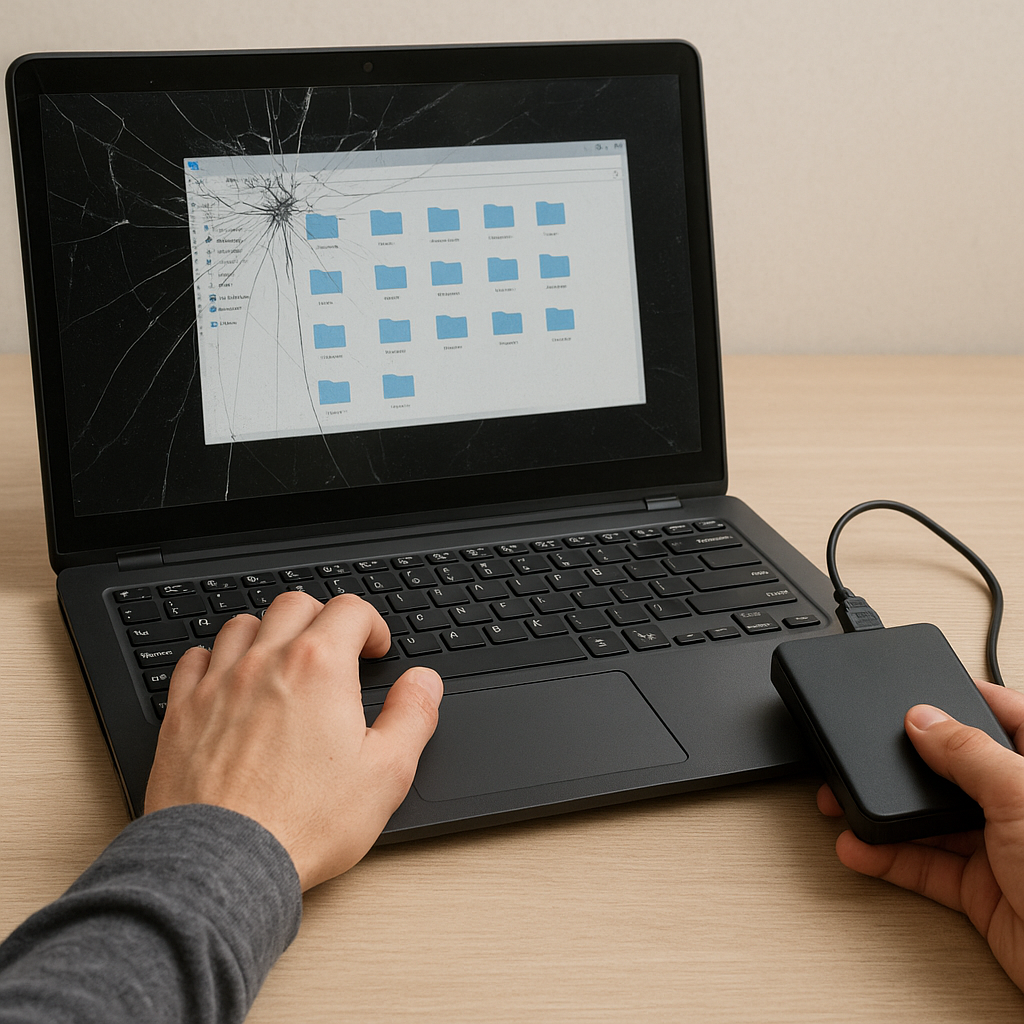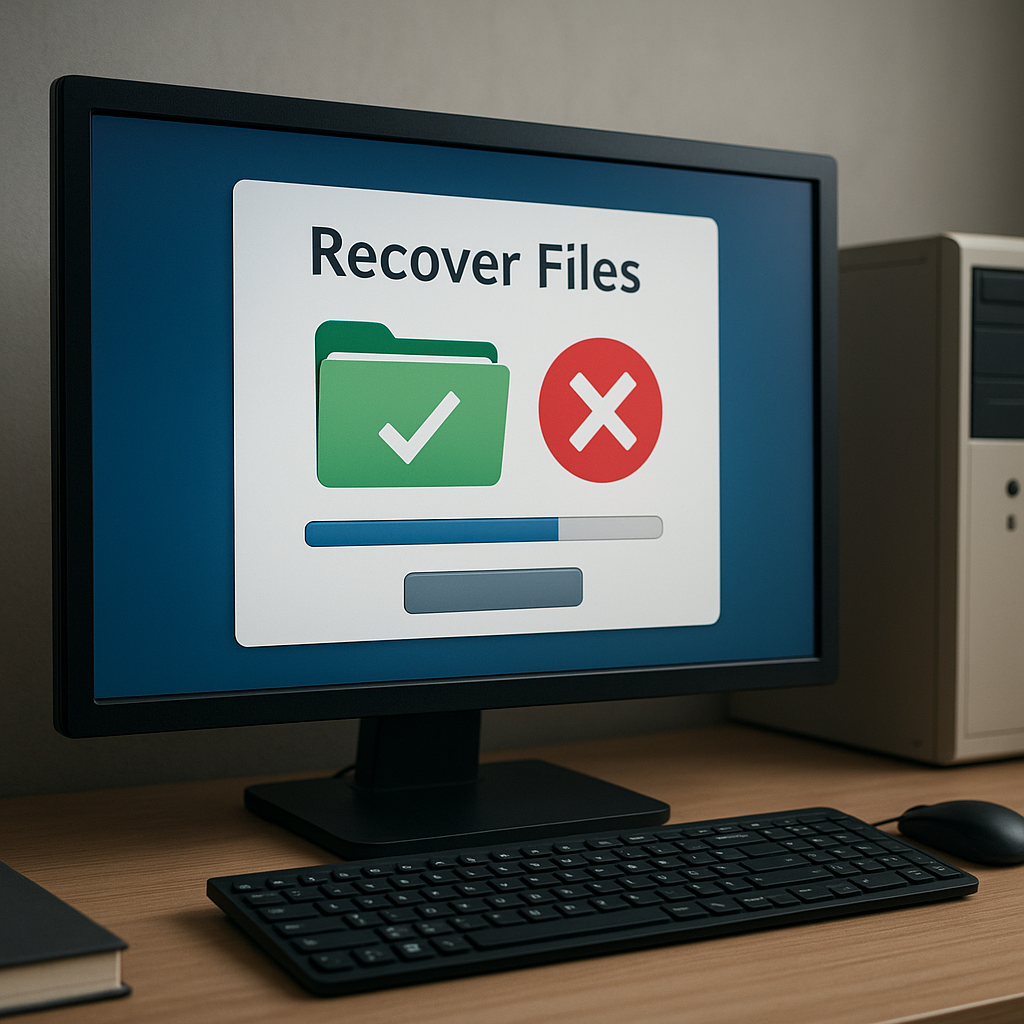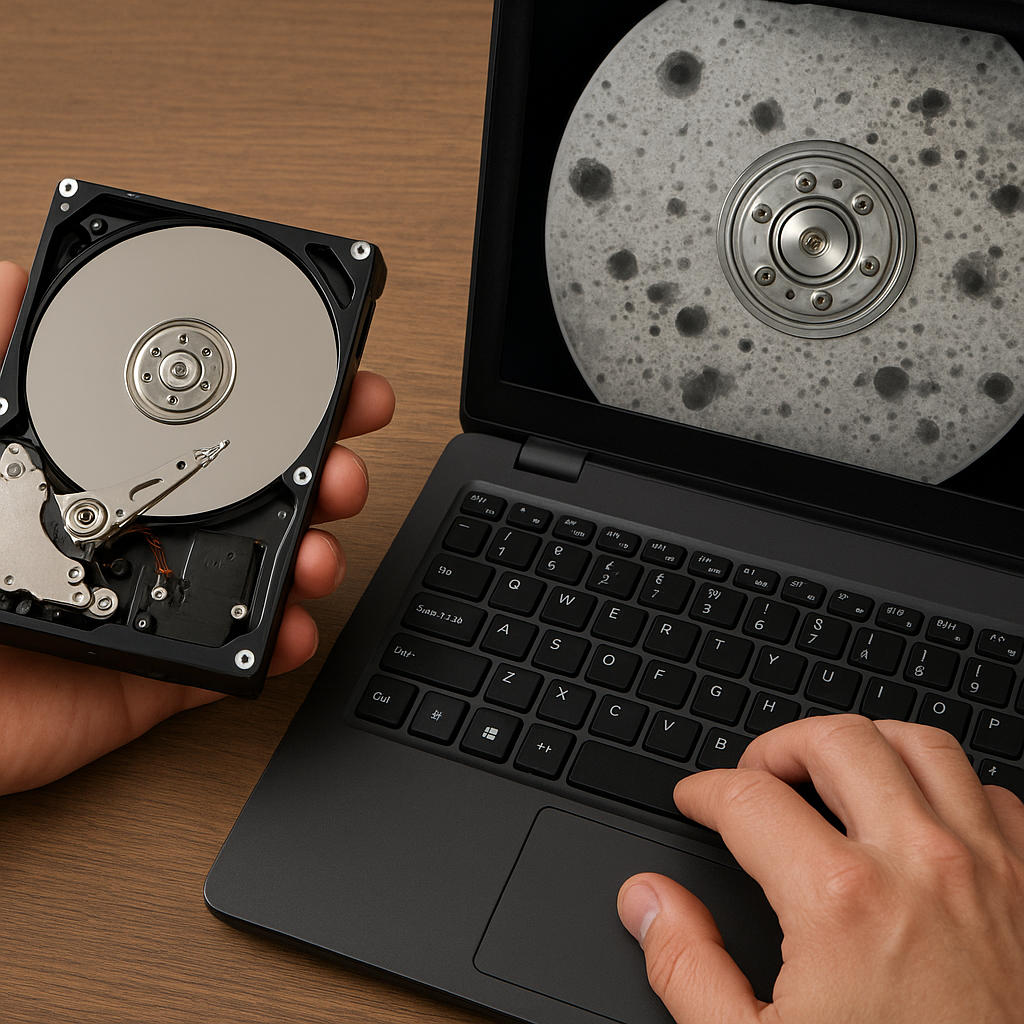
Converting files between formats can streamline workflows and ensure compatibility across systems, but it carries inherent risks of data loss if not handled properly. Whether you’re converting a batch of images, documents, or video files, understanding the conversion process and having solid recovery strategies in place is essential. This guide explores the challenges involved, preventive steps to minimize loss, and detailed methods to restore files lost during conversion.
Understanding the Risks of File Conversion
File conversion typically involves transforming data from one format to another, which may require re-encoding or altering the file’s structure. Common scenarios include:
- Moving from .docx to .pdf
- Transcoding video from .avi to .mp4
- Changing image formats between .png, .jpg, or .tiff
- Converting spreadsheet files like .xls to .csv
During these operations, several factors can lead to partial or total loss:
- Corruption of temporary files when the conversion process is interrupted.
- Mismatched metadata or incompatible codecs.
- File system errors if the destination drive has bad sectors.
- Software bugs in the conversion algorithm itself.
Understanding where things can go wrong allows you to anticipate and mitigate potential threats to your data’s integrity.
Implementing Prevention Strategies Before Conversion
Avoiding data loss starts well before you click “Convert.” Incorporate the following best practices:
- Create a Reliable Backup: Always generate a backup of the original files. Store them on a separate drive or in cloud storage.
- Verify free space on both source and destination drives to prevent write failures.
- Test a small sample conversion to check for compatibility issues.
- Ensure your conversion software is up to date to reduce the chance of bugs.
- Close other applications to minimize the risk of system crashes.
By taking these steps, you reduce the chances of encountering a scenario where files vanish or become unreadable.
Selecting the Right Recovery Software
When a conversion goes awry, your choice of recovery tool can make all the difference. Key features to look for include:
- Support for multiple file systems (NTFS, FAT32, APFS, ext4).
- Deep scan modes to detect residual file fragments.
- Raw recovery for severely corrupted files.
- Preview functions to verify recovered content.
- Ability to handle large volumes and batch operations.
Top-tier recovery solutions also provide specialized modules for documents, images, and media files. When evaluating software, consider:
- User interface clarity and ease of navigation.
- Customer support and update frequency.
- Trial versions that allow you to assess the effectiveness before purchase.
Step-by-Step Guide to Restoring Lost Files
1. Stop Using the Affected Drive
Immediately cease any write operations on the drive that housed the original or converted files. Continued use can overwrite recoverable data, making restoration more difficult.
2. Launch the Recovery Software
Install your chosen tool on a separate disk or USB device. Upon launch, select the affected drive from the list of available volumes.
3. Choose the Appropriate Scan Mode
- Quick Scan: Fast but may miss deeply hidden fragments.
- Deep Scan: More thorough and time-consuming—ideal for large-scale or critical losses.
4. Preview and Filter Results
Once the scan completes, use search filters to isolate relevant file types. Many tools allow you to filter by extension, size, or modification date.
5. Recover and Validate
- Select the files you wish to restore and designate a safe destination folder on a different drive.
- Open key files to confirm they are intact and error-free.
- If some files remain unusable, consider performing a second deep scan or using an alternate recovery engine.
Advanced Techniques for Complex Scenarios
In cases of severe fragmentation or partial file overwrites, standard recovery may not suffice. You can explore:
- Hex-level reconstruction for formats like .pdf or .docx by analyzing file headers.
- Using multiple software suites in sequence to maximize restored content.
- Leveraging command-line utilities in Linux (such as photorec or testdisk) for specialized control.
These methods require technical expertise but can recover files deemed lost by mainstream solutions.
Best Practices to Avoid Future Data Loss
Design a robust workflow that minimizes conversion risks:
- Adopt a three-tier backup strategy: local disk, offsite server, and cloud.
- Maintain log files for each conversion session detailing source, target formats, and software versions.
- Perform periodic integrity checks on archived data.
- Train team members on safe conversion protocols and recovery basics.
- Update all related components—from codecs to operating system patches—to preserve compatibility.
By embedding these practices into your digital routine, you’ll significantly reduce the odds of data being irretrievably lost during file conversions.