Recovering precious data from a suddenly inaccessible drive can feel like navigating a digital maze without a map. A lost partition often means that the storage space is still physically intact, but the pointers that tell your operating system where files begin and end have vanished or become corrupted. With the right approach, you can restore access to documents, photos, and videos once thought gone forever. This guide dives into the technical essentials and practical steps needed to reclaim your files using modern recovery tools.
Understanding Lost Partitions and Data Loss
When a partition disappears from your system’s directory, it does not necessarily signal permanent data destruction. Instead, the partition’s metadata—its table entries and file allocation details—becomes damaged or overwritten. Unless new data has been written over the original sectors, your files remain on the disk. Recognizing this distinction is key to preserving data integrity and maximizing your chances of effective file recovery.
What Causes a Lost Partition?
- Accidental repartitioning or formatting
- Malware or virus infection altering partition entries
- Power failures during critical disk operations
- Corrupted file system structures, such as MBR or GPT
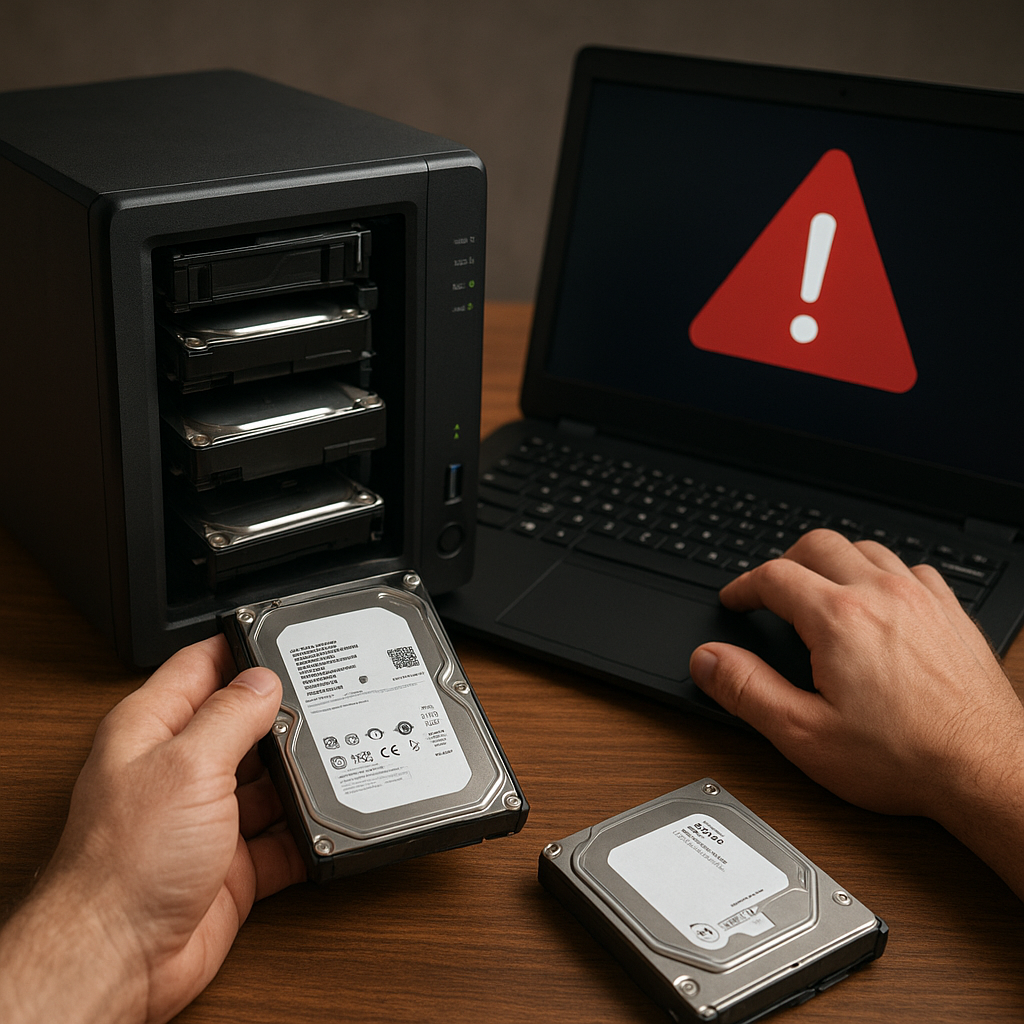
- Hardware malfunctions within the drive’s controller or circuitry
Choosing the Right Recovery Software
Selecting a robust tool is the foundation of any successful recovery effort. A high-quality solution will detect and reconstruct missing directory records, scan for recoverable file signatures, and support a range of file formats. Look for software that emphasizes a non-destructive approach, ensuring no additional writes occur on the affected partition.
Key Features to Look For
- lost partition table reconstruction utilities
- Support for multiple file system types (NTFS, FAT32, ext4, HFS+)
- Customizable scanning algorithms for quick or deep scans
- Preview capabilities to validate recovered items before restoration
- Options for raw scanning when partition headers are severely damaged
- Built-in backup strategies to image the drive before attempting recovery
Step-by-Step Guide to Retrieving Files from a Lost Partition
This section outlines the practical workflow you’ll follow. Although exact menus and terminology vary by product, the underlying principles remain consistent across most leading recovery applications.
1. Preparing for Recovery
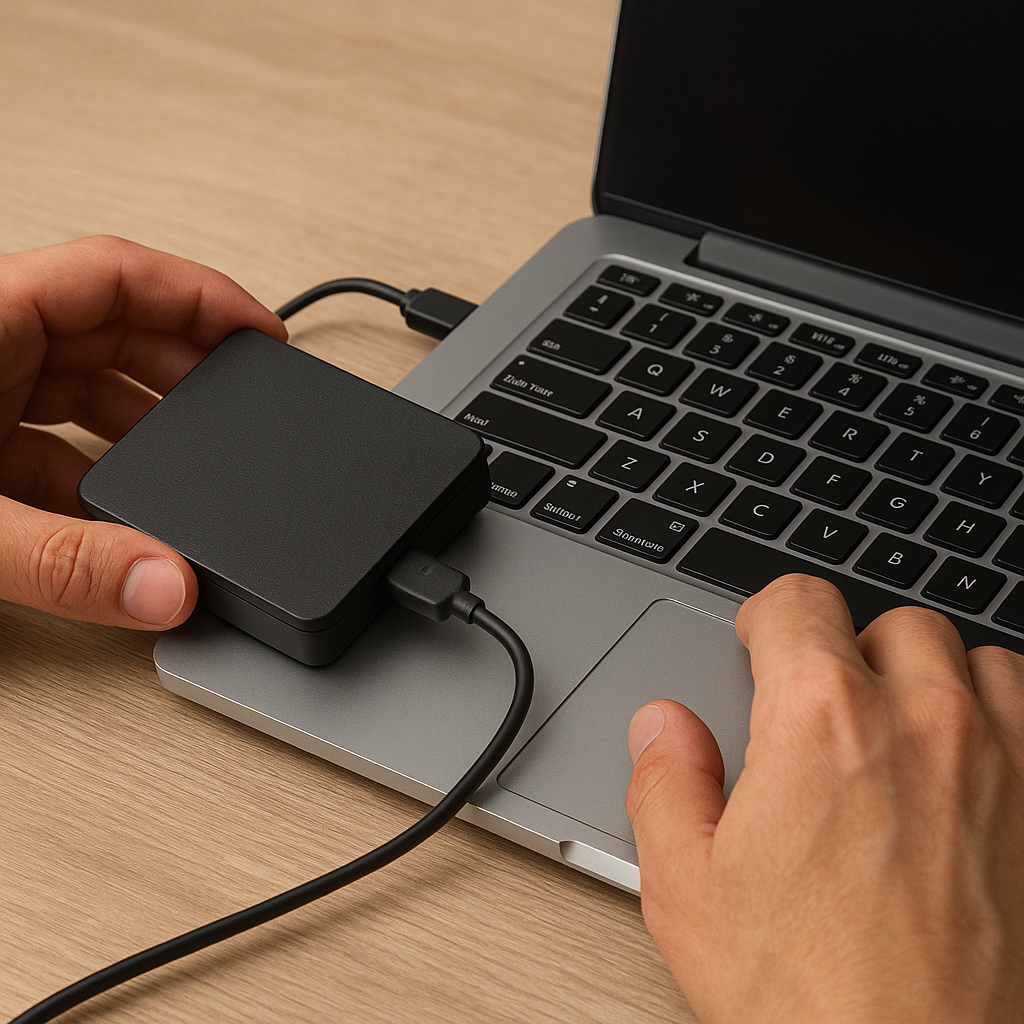
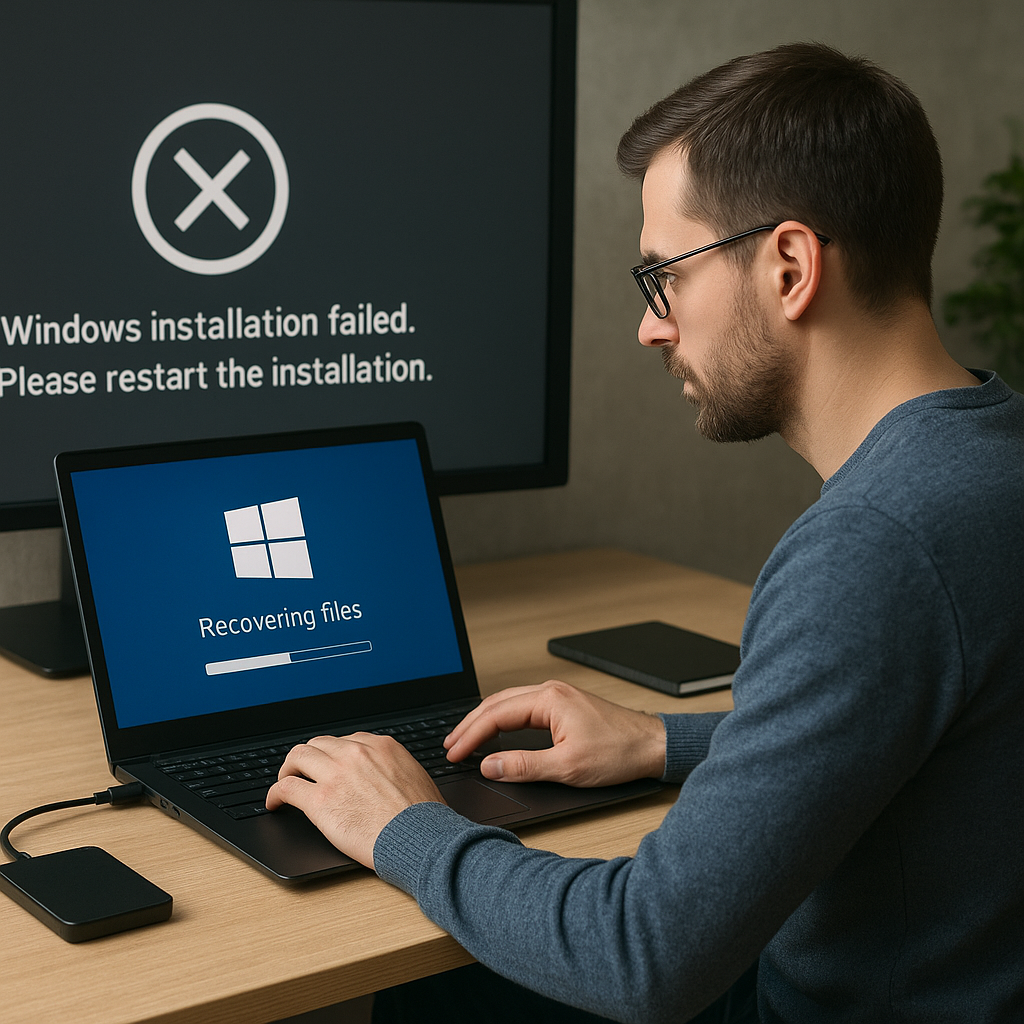
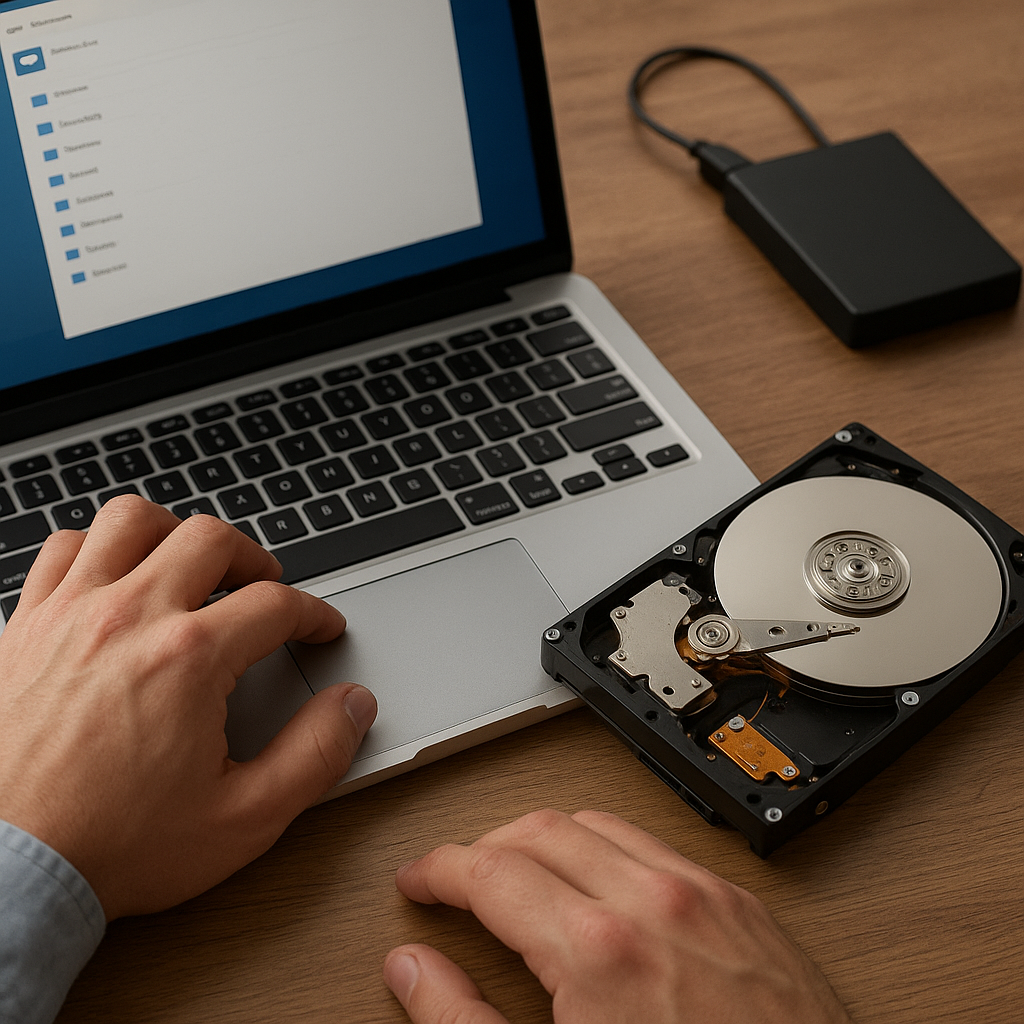
- Create a complete disk image or clone to an external drive—this preserves the original state and prevents accidental overwrites.
- Disable any system processes that might write to the affected disk, including automatic defragmentation or indexing services.
- Ensure you have sufficient storage on a secondary drive to hold recovered data.
2. Initiating the Scan
Launch your chosen recovery software and select the lost or empty partition from the list of available volumes. Most tools will offer two scanning modes:
- Quick Scan: Searches for recently deleted file pointers in the partition’s metadata.
- Deep Scan: Performs a sector-by-sector analysis, using signature-based detection to locate file fragments.
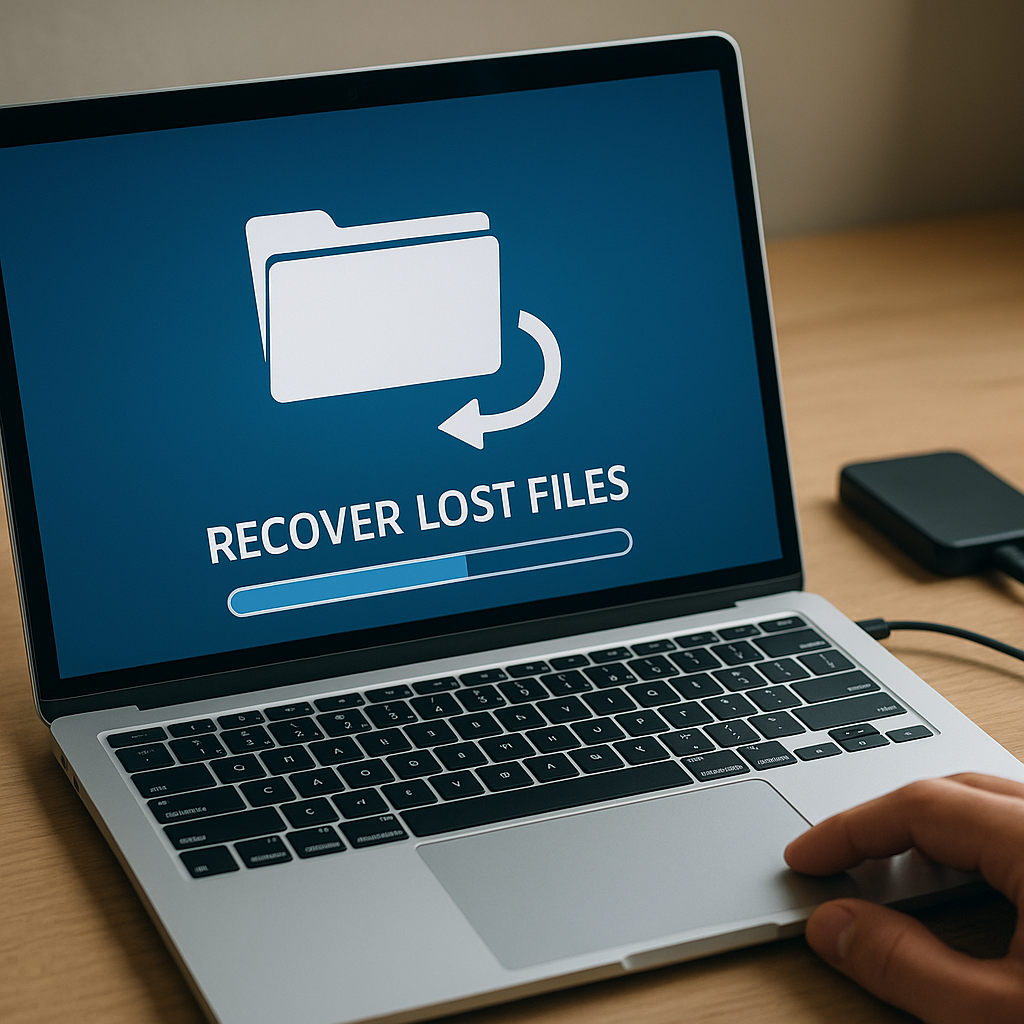
3. Monitoring the Scanning Progress
- Allocate time based on partition size—larger drives and deep scans can take hours or even days.
- Watch for smart progress indicators, such as estimated time remaining or percentage completed.
- Use the software’s preview pane to spot-check recovered files and confirm they are intact.
4. Verifying Recovered Data
- Once scanning completes, filter results by file type, date modified, or size.
- Select critical documents and media for further verification: open a Word document, play a video, or view an image to ensure full recovery.
- Avoid saving recovered files back to the same partition—they should be directed to a separate volume or external drive.
5. Executing the Final Recovery
After verifying the integrity of your data, choose the desired files and folders to restore. Pay attention to directory structure options; some tools can reconstruct the original folder hierarchy, while others may output everything into a flat directory.
Advanced Techniques and Professional Tips
In complex scenarios—such as severe metadata corruption or partially overwritten sectors—you may need to employ specialized methods. These advanced strategies can elevate your chances of a successful salvage process when standard approaches fall short.
Using Forensic Imaging
Forensic-grade utilities create bit-for-bit replicas of the disk, capturing even slack and hidden sectors. Analysts then work exclusively on the image, preserving the original media from any further alteration.
Employing Command-Line Tools
Open-source tools like TestDisk or PhotoRec provide powerful CLI interfaces. While they require familiarity with terminal commands, they often support more file systems and allow fine-tuned control over deep scan parameters.
Hex-Level Data Inspection
In situations where automated tools miss critical fragments, manual hex editing can reveal file signatures embedded within raw sectors. Identifying headers (e.g., JPEG’s FF D8 FF E0) and footers enables targeted extraction.
When to Seek Professional Help
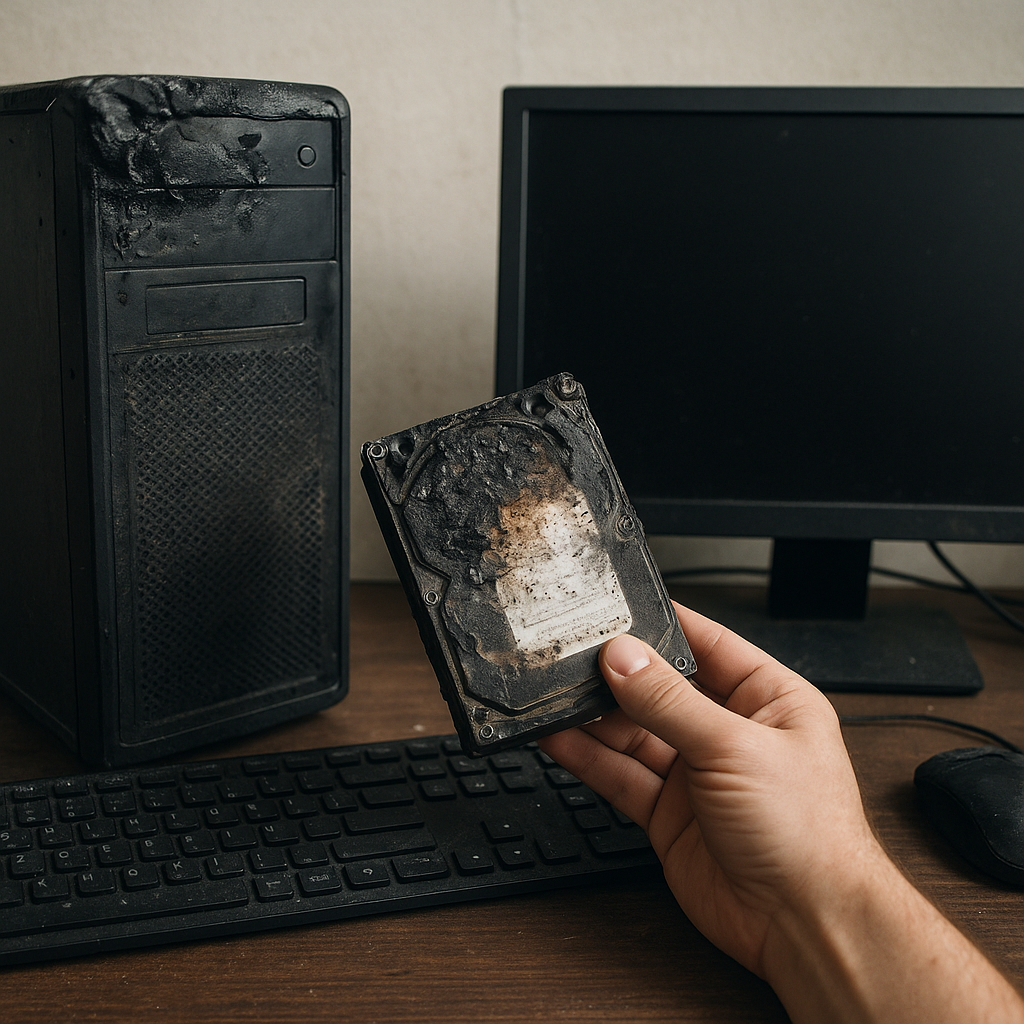
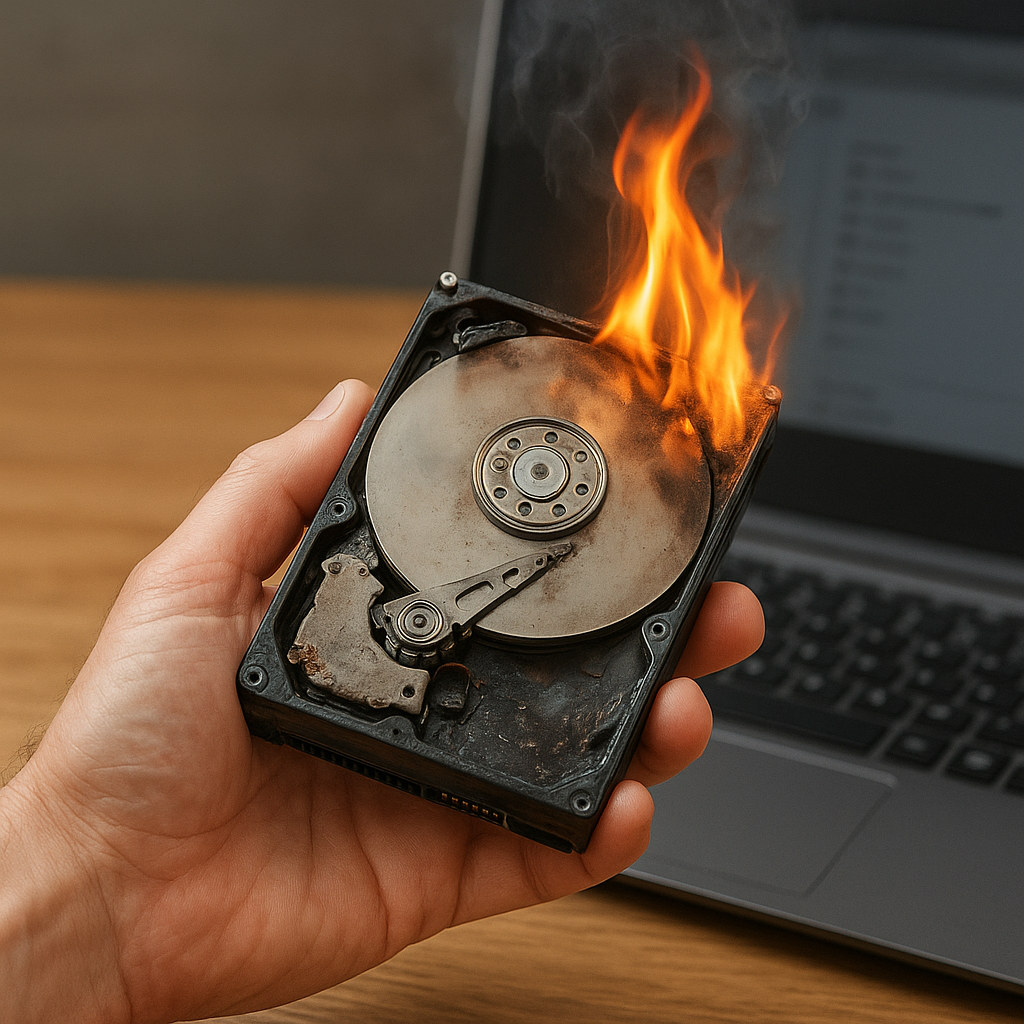
- Physical drive damage: Clicking noises, failed spin-up, or other mechanical failures require clean-room intervention.
- Advanced encryption: If the partition was encrypted without accessible keys, decryption efforts may exceed DIY capabilities.
- Highly sensitive data: Legal or regulatory compliance may dictate strict chain-of-custody and forensic validation procedures.
Applying these best practices ensures you approach data recovery with both caution and confidence. By understanding how partitions become lost, choosing software carefully, and following a systematic workflow, you can restore your digital assets and prevent future losses. Incorporate periodic backups and maintain a disciplined storage management routine to safeguard against unexpected mishaps.