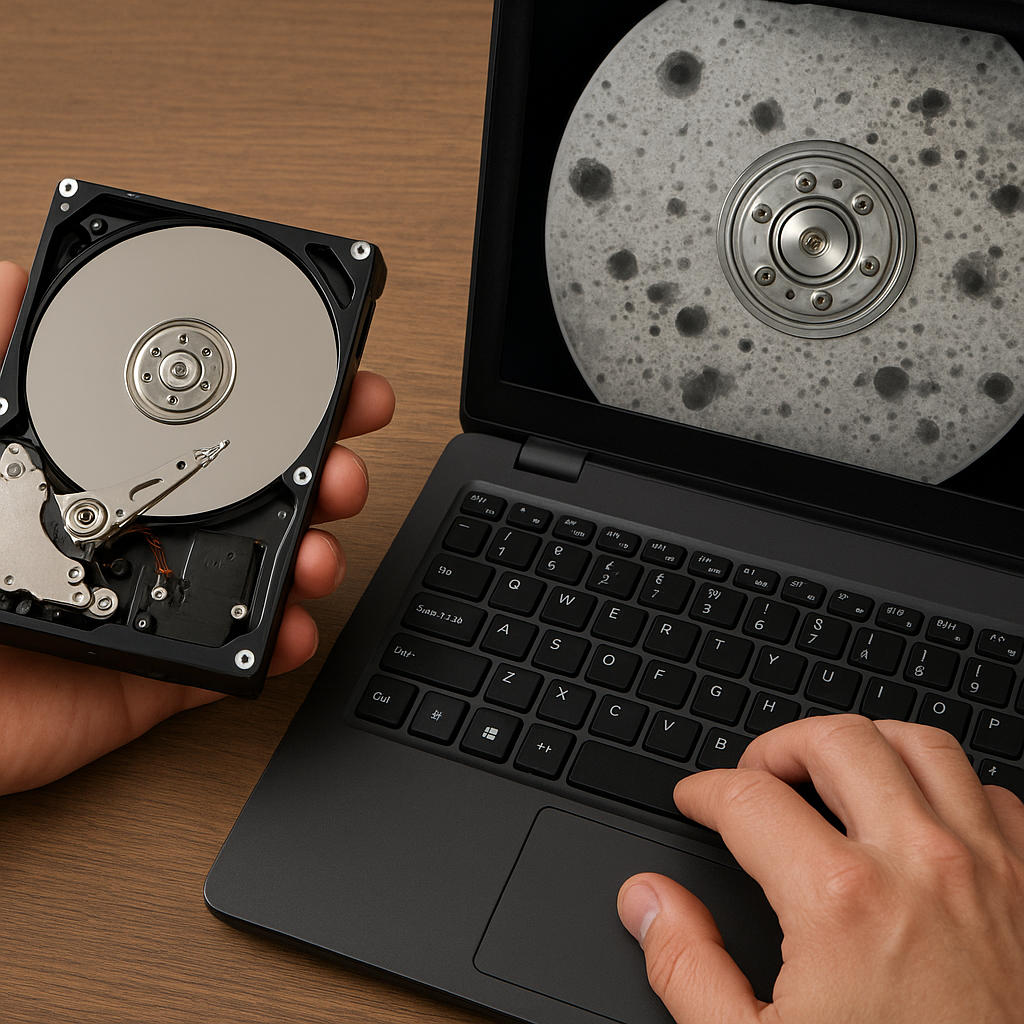
Accidental deletion of a creative masterpiece can be a nightmare for any video editor. Whether you’ve lost hours of painstaking work or important client revisions, a solid understanding of recovery options is essential. This article explores practical methods to recover deleted projects in Adobe Premiere Pro and delves into advanced strategies involving third-party tools and best practices that ensure your data integrity.
Understanding Data Loss in Adobe Premiere Pro
Common Causes of Project Deletion
Project files can vanish due to various reasons. A system crash, human error, or a corrupted hard drive might suddenly wipe out your essential .prproj files. When Windows or macOS reports file system errors, you risk losing unsaved work. Even improperly ejecting external drives can lead to a complete loss of your editing timeline.
Role of Auto-Save and Media Cache
Premiere Pro features an auto-save mechanism that stores incremental backups at predefined intervals. By default, these backups are found in a folder named “Adobe Premiere Pro Auto-Save” within your project directory. The media cache folder, on the other hand, stores conforming files and peak files to accelerate playback. Regular cleanup of aged cache files can prevent unexpected crashes, but removing these without caution might also hamper restoration efforts.
Limitations and Pitfalls
- Auto-Save Interval Misconfiguration: If set too far apart, recent changes between saves can be lost.
- Insufficient Storage: Low disk space can disable auto-save or interrupt file writes.
- External Drive Vulnerabilities: Removing a drive during an active save can corrupt backups.
Techniques to Recover Deleted Projects
Utilizing Premiere Pro’s Built-In Recovery
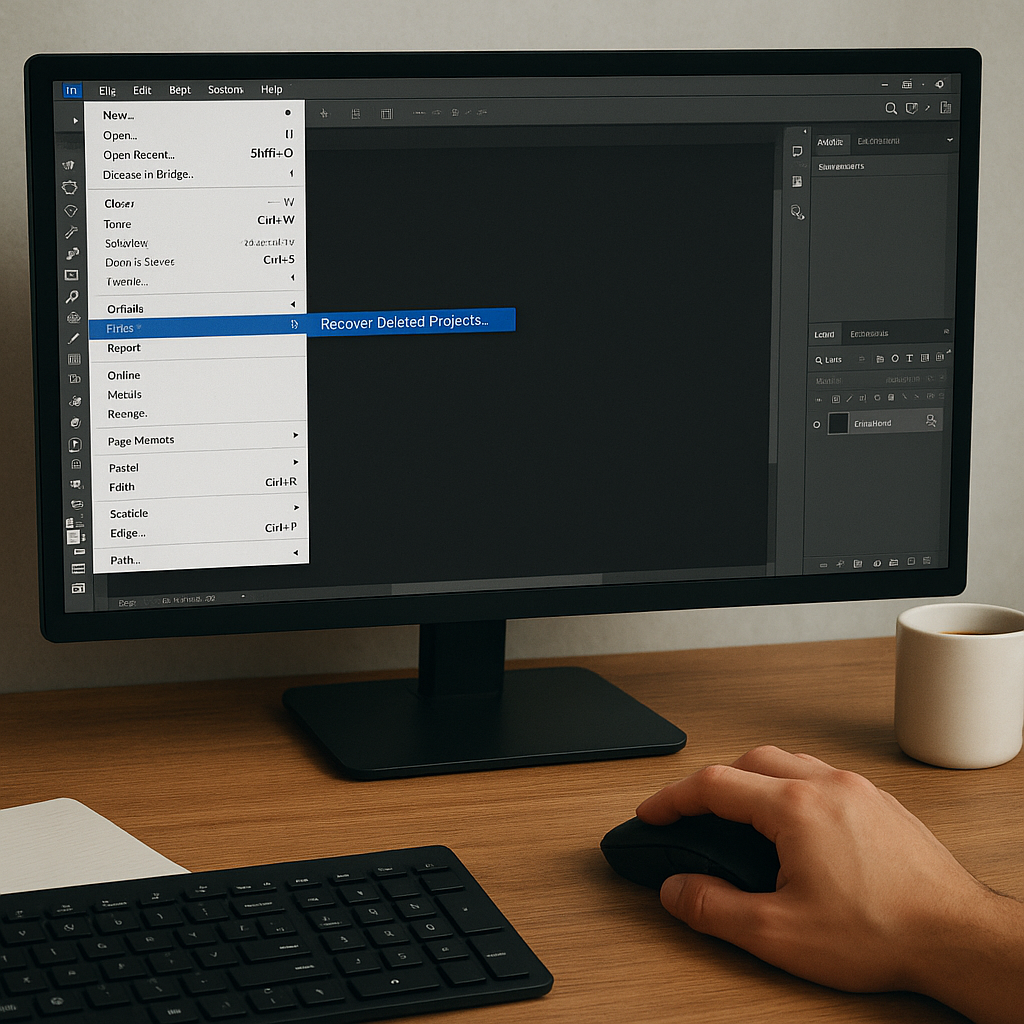
When you open Premiere Pro after a crash, the application may prompt you to recover unsaved projects. This built-in recovery loads the latest auto-saved copy. Always review the recovered file immediately, then save it to a new project name. To access older versions, navigate to your Auto-Save folder and manually open earlier timestamped .prproj files.
File System Rollback (Windows Previous Versions)
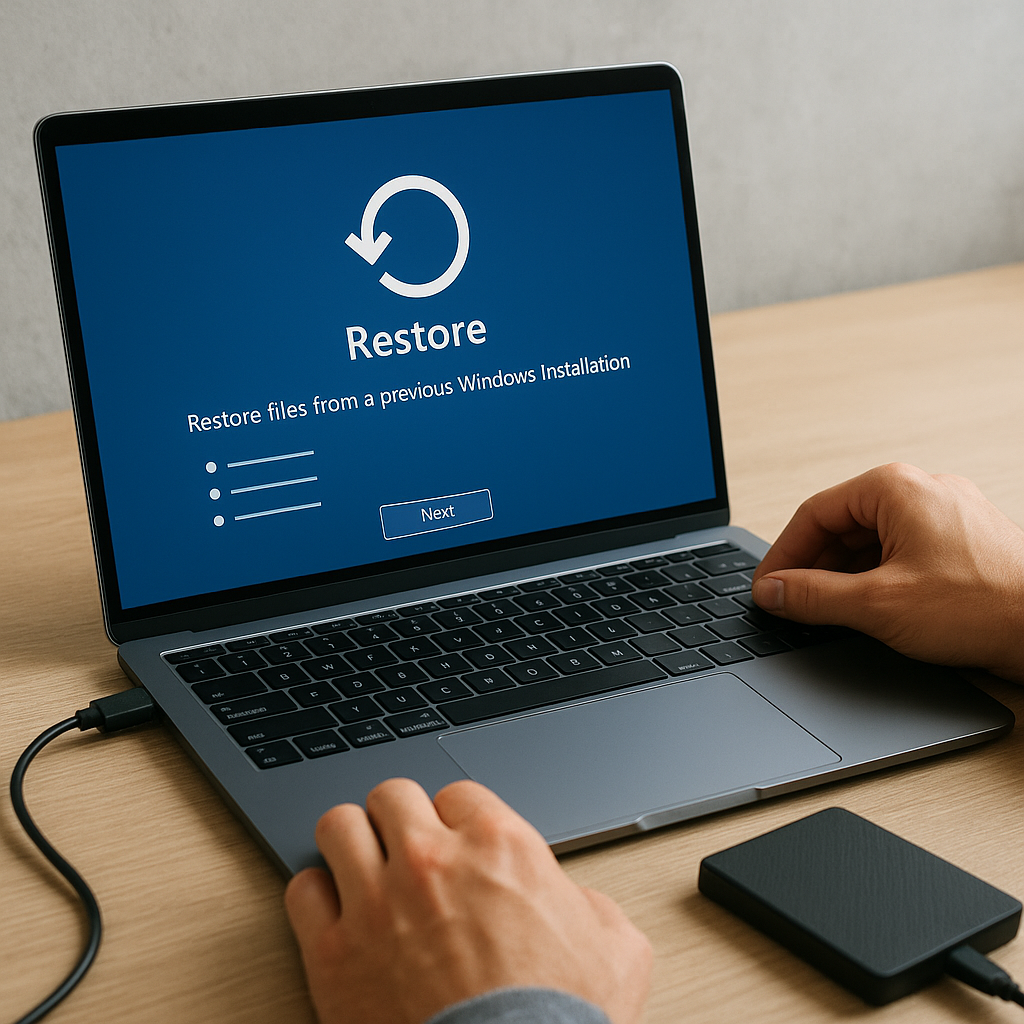
On Windows, the Previous Versions feature leverages Volume Shadow Copy. Right-click your project folder, select “Properties,” and then the “Previous Versions” tab. Choose a snapshot predating the deletion and click “Restore.” Note that this method depends on System Protection being enabled and sufficient disk space for restore points.
Time Machine Restore (macOS)
For Mac users, backup is simplified by Time Machine. Launch the Time Machine interface, navigate to the folder destination of your Premiere project, and select a backup date that includes the missing .prproj file. Click “Restore,” then relocate the recovered file back to your working directory.
Leveraging Third-Party Data Recovery Software
If built-in features fail, third-party recovery tools can scan storage media for deleted project files. Applications like EaseUS Data Recovery Wizard, Recuva, and Stellar Data Recovery support deep scans of both HDDs and SSDs. After installation, choose the affected drive, initiate a full scan, and filter results by the .prproj extension to locate potential matches.
- Deep Scan vs. Quick Scan: A deep scan takes longer but uncovers more fragments.
- Preview Capability: Verify project file integrity before committing to recovery.
- Save Path: Always recover to a separate volume to prevent overwriting.
Command-Line Tools for Advanced Users
Linux experts and power users on Windows can turn to command-line utilities such as TestDisk and PhotoRec. Though traditionally used for photo recovery, PhotoRec’s file signature search can detect Premiere project files. For TestDisk, locate the partition, analyze its structure, and recover deleted entries—all within a text-based interface.
Best Practices and Advanced Recovery Tools
Implementing a Robust Backup Strategy
No recovery method beats a proper backup plan. Use cloud services such as Adobe Creative Cloud or third-party solutions like Google Drive and Dropbox. Automate sync operations to run after each project save. On-premises solutions, including NAS devices with RAID configurations, also offer redundancy and rapid restore capabilities.
Project Archival and Version Control
Adopting a version control approach to media projects can minimize risks. Each major milestone or client review corresponds to a tagged local copy or repository branch. Git LFS (Large File Storage) extensions can handle hefty video assets, letting editors track changes and roll back to previous versions in moments.
Advanced File System Monitoring
For production houses, deploying file system monitoring services can alert administrators to unexpected deletions. Software such as Tripwire or OSSEC logs file operations in real time, sending notifications if a critical directory is modified or erased. These proactive measures can curb accidental mass deletions.
Data Integrity Checks and Validation
Running checksums on your project files ensures they remain uncorrupted. Tools like MD5 or SHA-256 generate hash values for .prproj and media assets. Any mismatch in later scans indicates file tampering or data deterioration. Incorporate periodic validations into your workflow for early detection of silent data loss.
Using Specialized Recovery Appliances
High-end post-production facilities invest in dedicated recovery appliances. These devices combine hardware-level RAID controllers with proprietary scanning algorithms, drastically reducing downtime. While expensive, they deliver pinpoint recovery for multiple concurrent failures, making them invaluable in mission-critical environments.
Training and Documentation
Finally, empower your team with thorough documentation. Maintain process guides that cover folder structures, naming conventions, and emergency recovery steps. Regular drills on recovery scenarios sharpen response times and ensure every editor can act swiftly when a project goes missing.