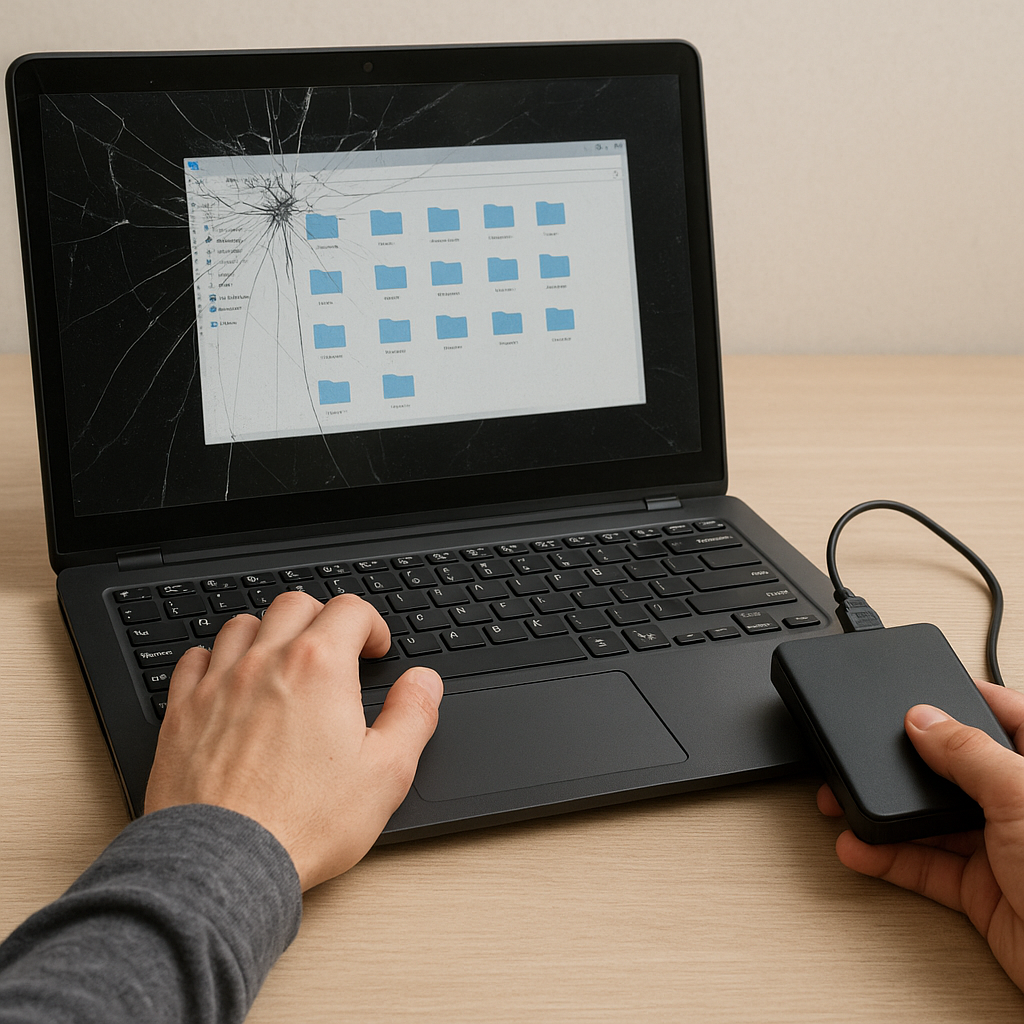
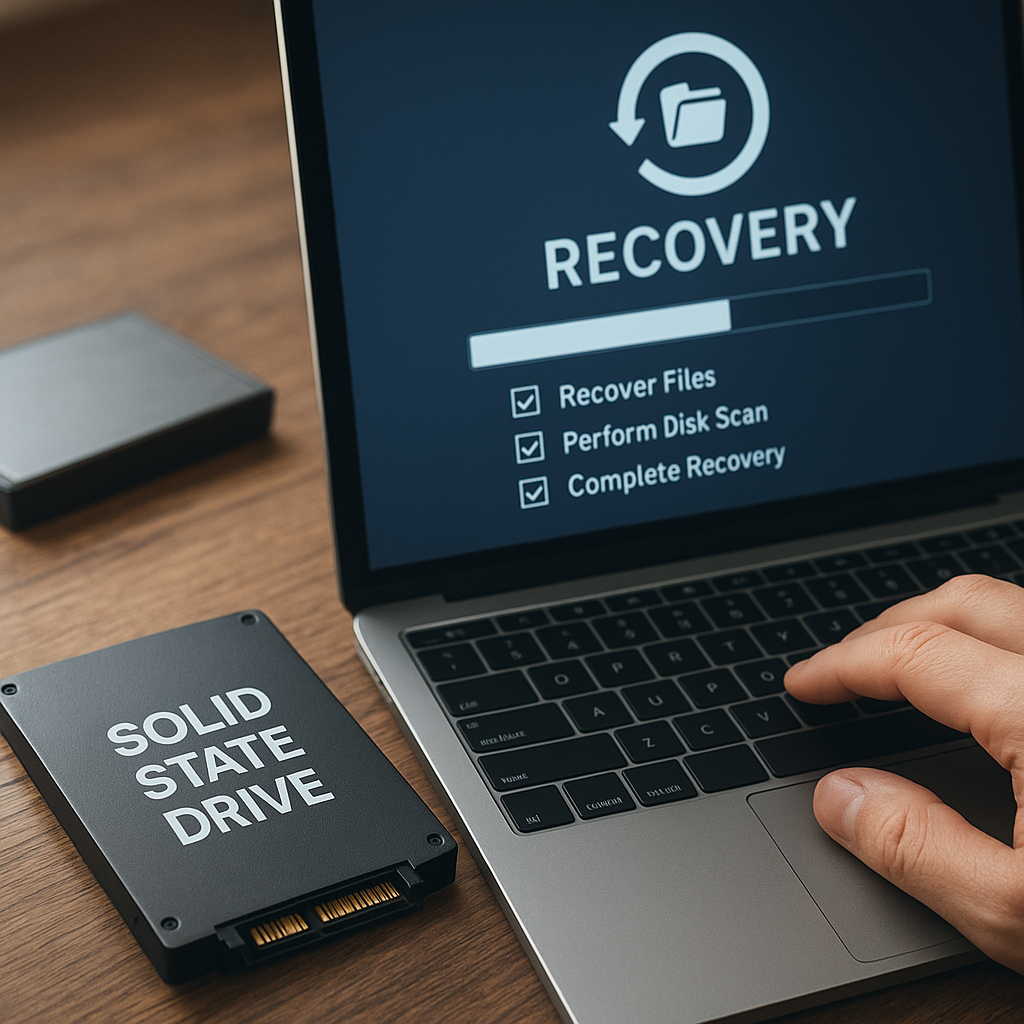
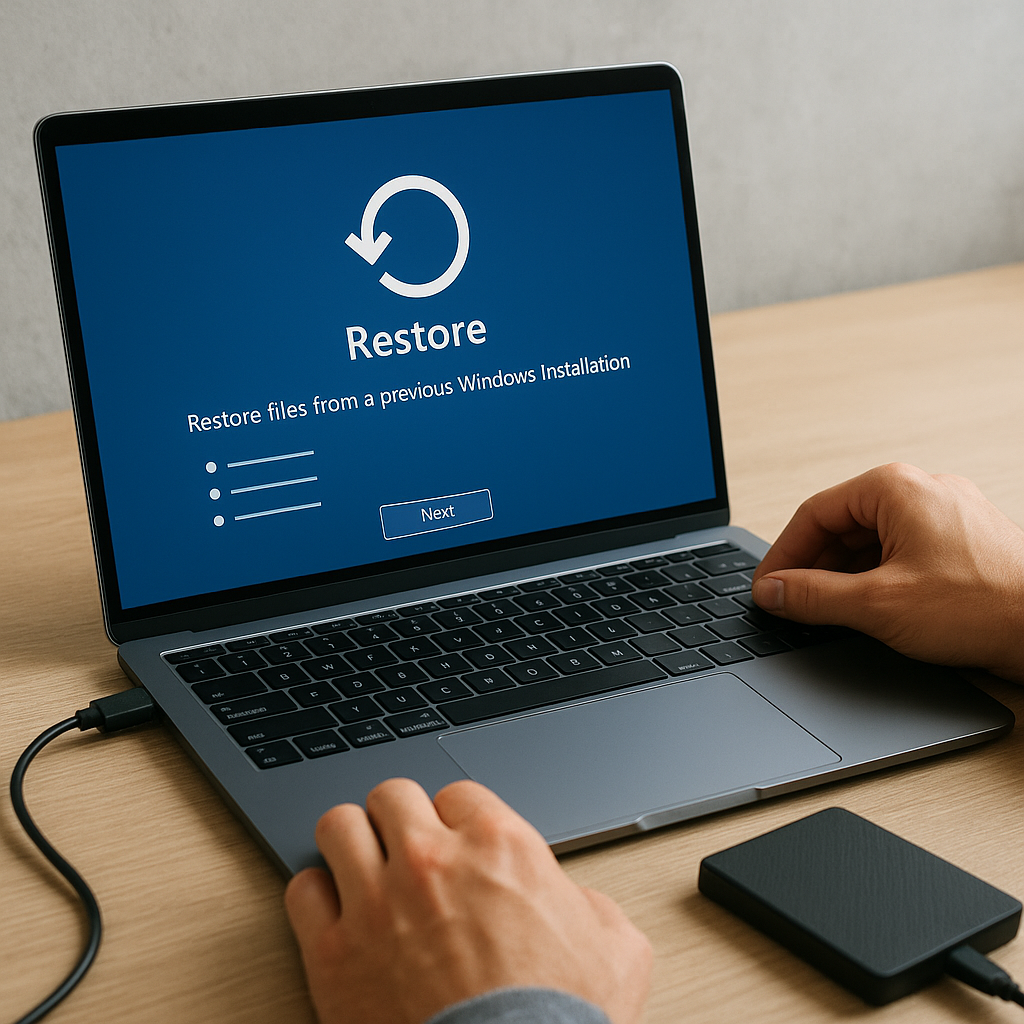
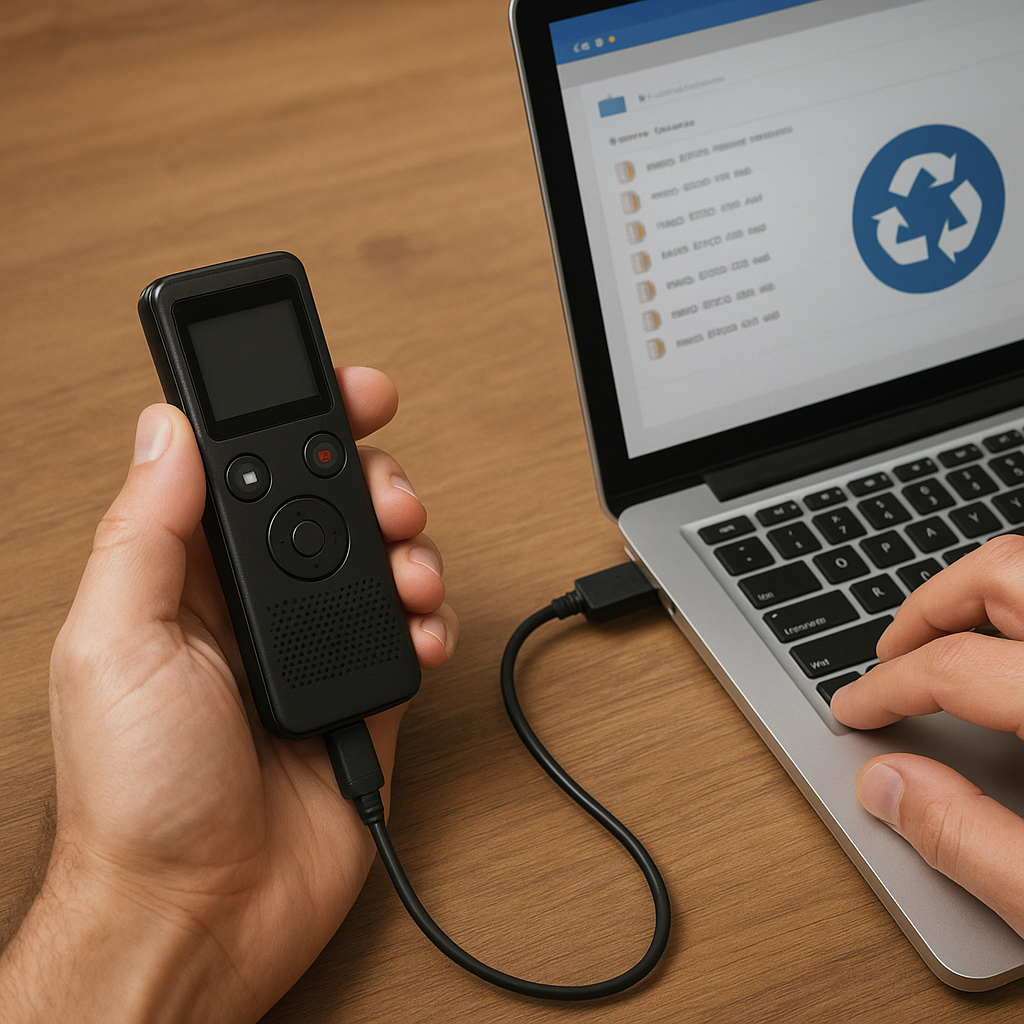
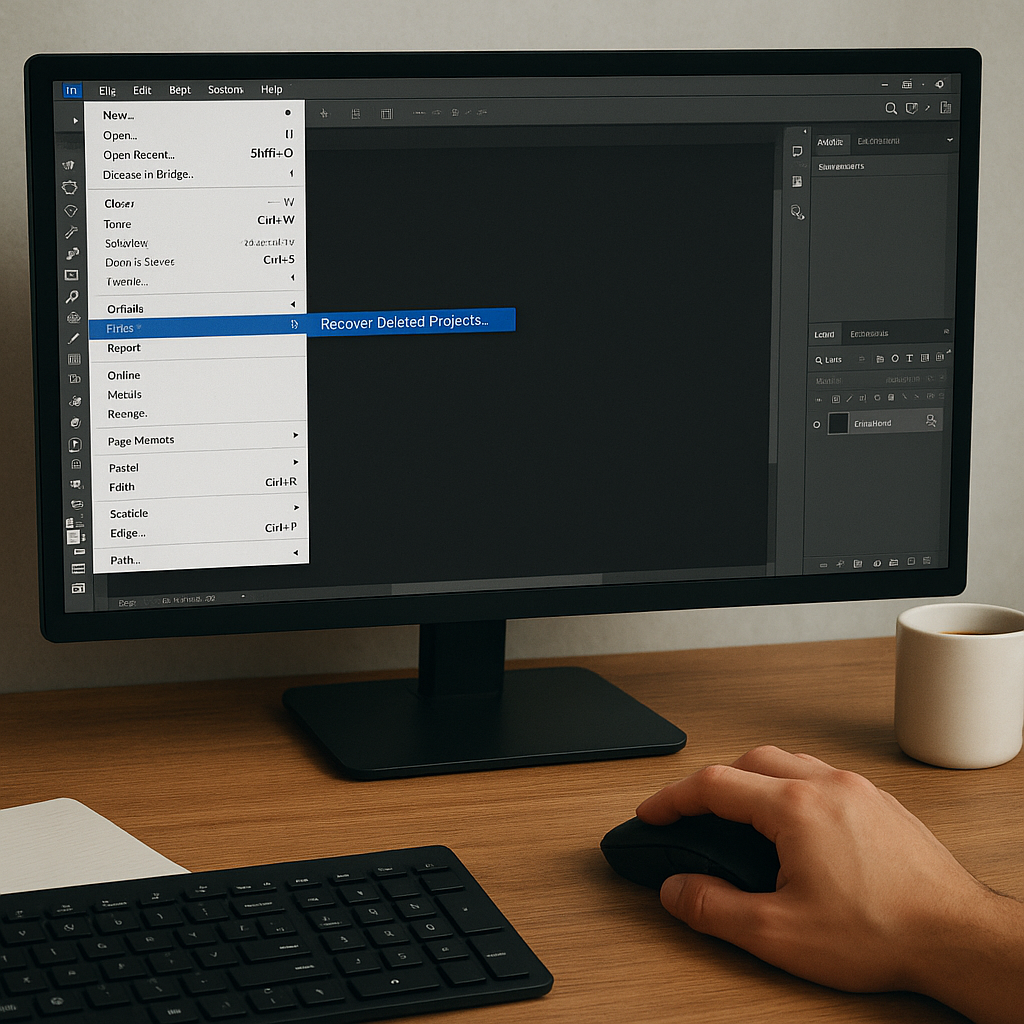
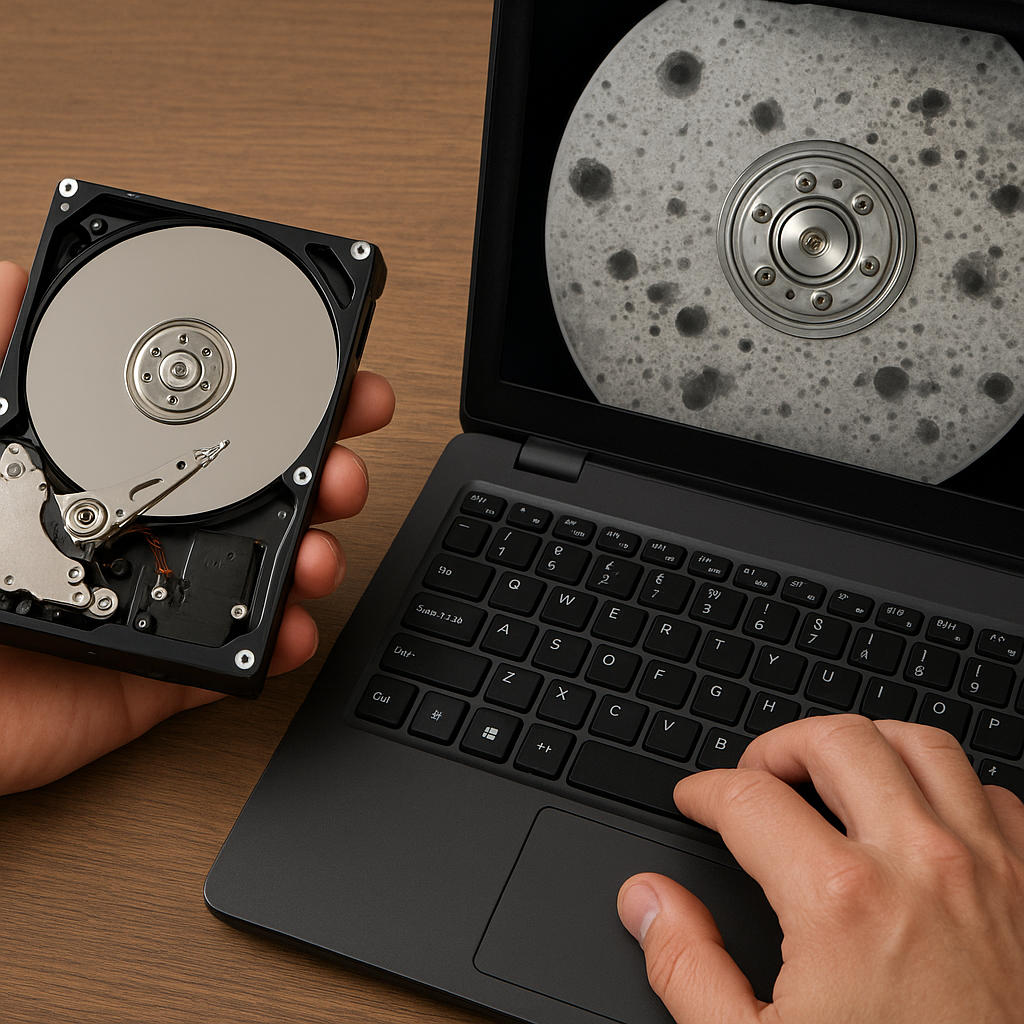
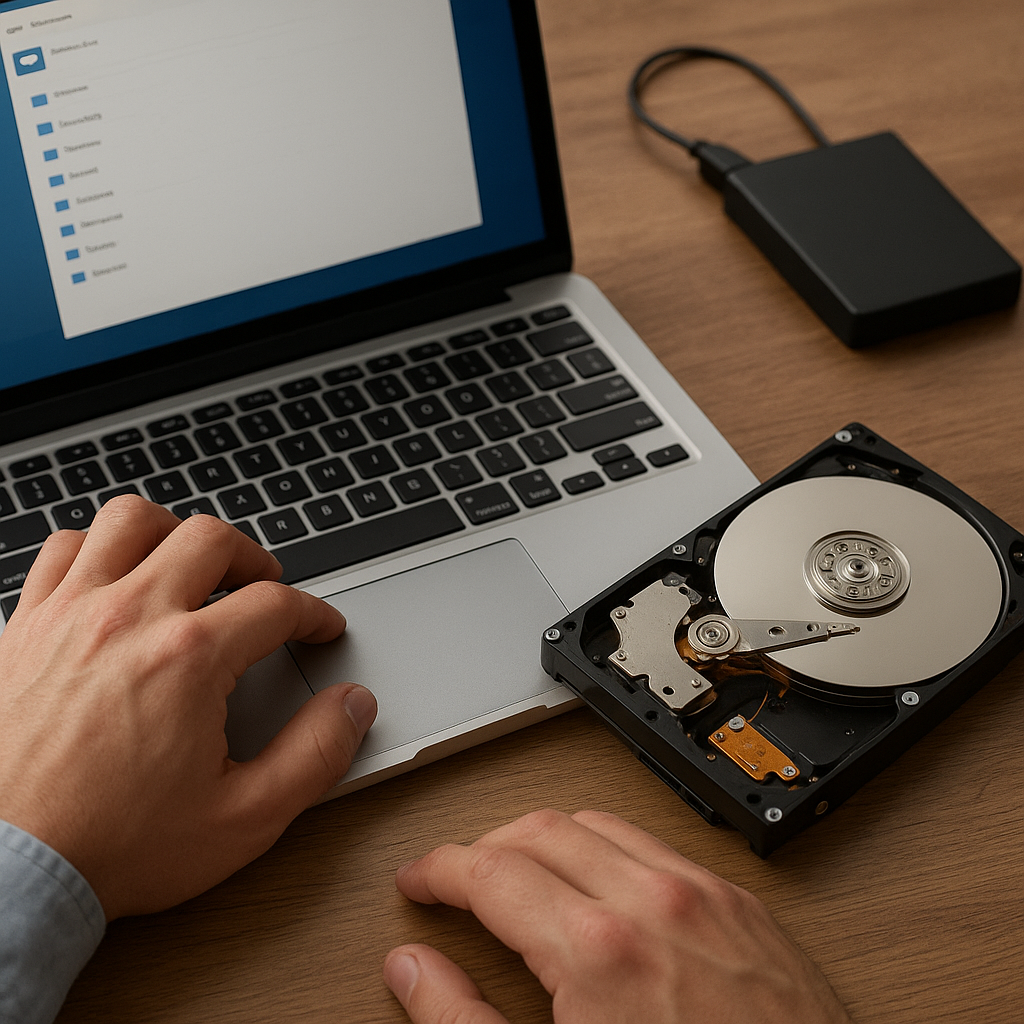
Recovering lost data after a thorough disk cleanup can feel impossible, but modern tools offer powerful solutions. Whether you accidentally removed important documents, photos, or system files, understanding the recovery process is crucial. This guide explores techniques, tools, and best practices to restore your data efficiently.
Understanding Disk Cleanup and File Loss
Disk cleanup utilities aim to free up space by removing temporary files, caches, and unused system data. However, these operations can sometimes lead to permanent deletion of critical items. To navigate this challenge, you need to grasp how files are stored and why certain recovery methods work.
How Disk Cleanup Works
- Temporary Cache Removal: Browsers and applications generate caches that accumulate over time.
- System File Cleanup: Old logs, update leftovers, and unused drivers are targeted.
- Recycle Bin Emptied: Some tools bypass the Recycle Bin, immediately marking files for deletion.
Why Deleted Files Aren’t Immediately Gone
When you perform a cleanup, the operating system marks sectors as free rather than wiping data completely. Until new data overwrites these sectors, specialized software can retrieve fragments and reconstruct files. Understanding this mechanism is key to successful recovery.
- Sectors flagged as available remain on storage until overwritten.
- Metadata about file location persists briefly, aiding reconstruction.
Choosing the Right Recovery Software
Selecting the optimal recovery tool can make the difference between partial and full restoration. Several factors influence your choice, from ease of use to the depth of scanning algorithms.
Key Features to Seek
- Deep Scan Capability: Look for multi-pass scanning to identify fragmented files.
- User-Friendly Interface: Intuitive navigation reduces the risk of missteps during recovery.
- File Preview Function: Confirm that the recovered file is intact before saving it.
- Wide File Type Support: Ensure compatibility with documents, images, videos, and archives.
Comparing Popular Tools
- Tool A: Known for rapid scans and preview features, but limited to major file formats.
- Tool B: Offers comprehensive file type coverage, though the interface can be complex for beginners.
- Tool C: Cloud-based restoration options, enabling remote restoration to alternative devices.
Recovering Your Files Step by Step
A systematic approach minimizes risk and maximizes success. Follow these stages carefully to retrieve your data after disk cleanup.
1. Stop Using the Affected Drive
Immediately cease writing new data to the disk. Continued use can overwrite recoverable sectors, reducing your chances of a full restoration.
2. Install the Recovery Software
- Use a separate drive or USB stick to avoid overwriting the target disk.
- Follow the setup wizard, taking note of installation paths.
3. Perform an Initial Scan
Launch a quick scan to identify recently deleted files. This step is faster but may miss deeply fragmented items.
- Select the target disk and enable “quick scan.”
- Review the results list and use file type filters.
4. Execute a Deep Scan
If the quick scan fails to locate important files, switch to a deep scan mode. This thorough search examines every sector on the drive.
- Enable sector-by-sector analysis.
- Be prepared for longer wait times, depending on drive size.
5. Preview and Select Files
Utilize the built-in preview pane to verify file integrity. Look for signs of corruption, such as scrambled headers or missing content.
- Prioritize essential documents and media.
- Mark desired files and assign a safe destination for extraction.
6. Recover and Verify
Recover files to a different drive to avoid overwriting. After restoration, open each item to confirm usability.
Best Practices to Prevent Future Data Loss
Proactive measures can safeguard against accidental deletions and intense disk cleanup routines. Incorporate these strategies into your regular maintenance schedule.
Regular Backups
- Automate daily or weekly backups to external drives or cloud services.
- Verify backup integrity periodically to ensure integrity and readability.
Use Versioning Tools
- Employ document version control, allowing you to restore previous iterations.
- Store critical files in synchronized folders with built-in version history.
Optimize Cleanup Settings
- Configure disk cleanup to exclude personal directories or file types.
- Review cleanup reports before confirming deletion tasks.
Monitor Drive Health
Regularly check SMART data and run diagnostic utilities. Early detection of disk errors can prompt timely data transfers.
Maintain Adequate Free Space
Avoid filling drives to capacity. Adequate free space reduces fragmentation and makes recovery more straightforward if files are accidentally erased.
- Keep at least 15–20% of the drive unused.
- Defragment mechanical drives or optimize SSDs periodically.