Accidentally formatting an SD card can feel like a disaster, especially when important photos, videos, or documents vanish in an instant. Fortunately, with the right software and a systematic approach, it’s possible to recover your valuable data. This guide explores proven methods to retrieve files from a formatted SD card, introduces essential features of recovery tools, and offers best practices to minimize future data loss.
Understanding the Risks of a Formatted SD Card
When an SD card is formatted, its file allocation table is cleared, marking all occupied sectors as free space. Contrary to popular belief, the actual content remains on the card until new data overwrites it. However, every write operation risks permanently erasing your lost files. Recognizing this window of opportunity is crucial for successful recovery.
Formatting can be of two types: quick format and full format. A quick format simply resets the pointers, while a full format overwrites the entire card with zeros or runs a thorough surface scan. Recovering data after a full format is significantly more challenging, making timely intervention essential. Even after a quick format, any further usage of the card can diminish the chances to restore lost files.
Beyond formatting, factors such as physical damage, corrupted file systems, and accidental deletion contribute to data loss on SD cards. While this article focuses on formatted cards, many principles apply across various forms of data corruption. Understanding the root cause helps you select the most effective recovery strategy.
Key Features to Look for in Recovery Software
Selecting the right recovery tool greatly impacts your success rate. Look for software that supports multiple file systems, offers comprehensive scanning modes, and provides a preview functionality before recovery begins. Below are critical features to evaluate:
- Deep Scan Mode – A thorough sector-by-sector analysis that uncovers files even after severe corruption.
- Quick Scan Mode – Faster scanning that targets recently deleted or formatted files by examining file table entries.
- File Signature Detection – Identifies specific file types (JPEG, PNG, DOCX, MP4) by their unique markers.
- Partition Recovery – Restores entire partitions if the file system structure is damaged or reformatted.
- Preview Function – Allows you to inspect recovered files (thumbnails for images, text snippets for documents) before saving.
- Recovery Filter – Narrow down results by file type, size, or modification date to speed up the process.
- Read-Only Operation – Ensures no new data is written to the SD card during the recovery process, protecting existing fragments.
- Cross-Platform Compatibility – Works on Windows, macOS, and Linux for versatile usage.
- Customer Support & Updates – Active development and responsive support to address unique recovery scenarios.
Step-by-Step Guide to Recover Files from a Formatted SD Card
1. Prepare Your Environment
Avoid using the formatted SD card to prevent overwriting data. If possible, remove it from the camera or device immediately. Download and install your chosen recovery tool on a separate drive (not the SD card). Ensure your computer has stable power to avoid interruptions.
2. Connect the SD Card
Use a reliable card reader to connect the SD card to your computer. Direct slots on a laptop or desktop often deliver more stable connections than USB adapters. Once recognized, verify its capacity to confirm you’re targeting the correct device.
3. Launch the Recovery Software and Select Scan Mode
Open the tool and choose the SD card from the device list. For recently formatted cards, start with a Quick Scan to quickly locate easily accessible files. If this doesn’t yield the target data, proceed to a Deep Scan for comprehensive extraction.
4. Analyze and Preview Scan Results
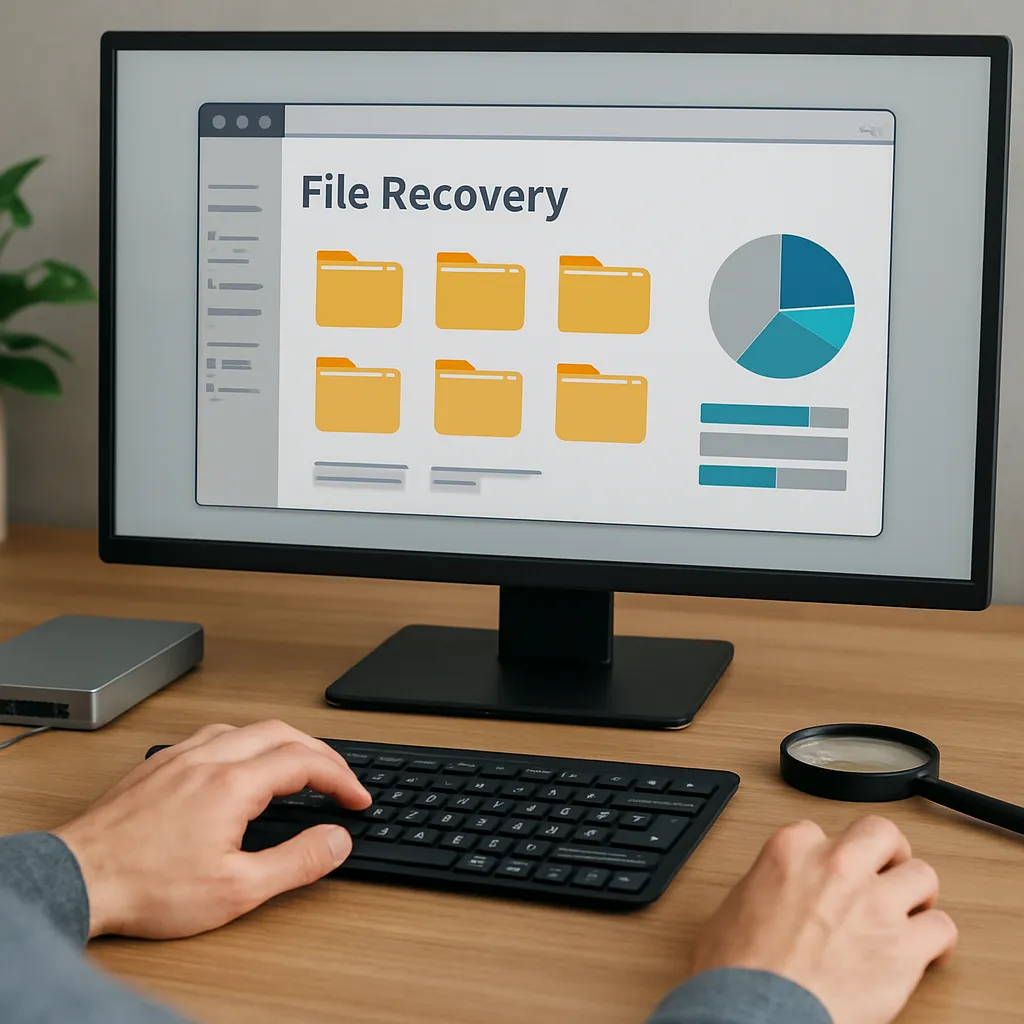
After scanning completes, you’ll see a directory tree or file list. Use the built-in preview feature to verify the integrity of images, videos, and documents. This step prevents restoring corrupted or partial files and saves storage space on your computer.
5. Select and Restore Files
Mark the files you wish to recover. It’s best to restore them to a different storage location—never back onto the same SD card. This precaution eliminates the risk of overwriting unrecovered fragments. After recovery, cross-check the recovered files to ensure they open and function correctly.
Best Practices to Prevent Future Data Loss
While recovery tools are powerful, prevention remains the best strategy. Incorporate these habits into your routine to safeguard against accidental formatting and other forms of data loss:
- Regular Backups – Use cloud services or external drives to back up SD card contents after each session.
- Write Protection – Engage the write-lock switch on your SD card whenever transferring files to reduce the risk of unintended formatting.
- Proper Ejection – Always eject the SD card via your operating system’s safe removal feature to prevent file system corruption.
- Quality Hardware – Invest in reputable SD cards and card readers to minimize hardware-related errors.
- Monitor Health – Periodically check card health with diagnostic tools that report bad sectors and performance issues.
- Update Firmware – Keep your camera or device firmware up to date to ensure compatibility and reduce file system glitches.
- Limit Rewrites – Avoid excessive rewriting on a single card. Rotate among multiple cards to extend their lifespan.
Empowering yourself with knowledge and precautions dramatically reduces the chances of facing a formatted SD card scenario. Should you encounter data loss, a methodical approach and reliable software can restore your most precious memories and documents.