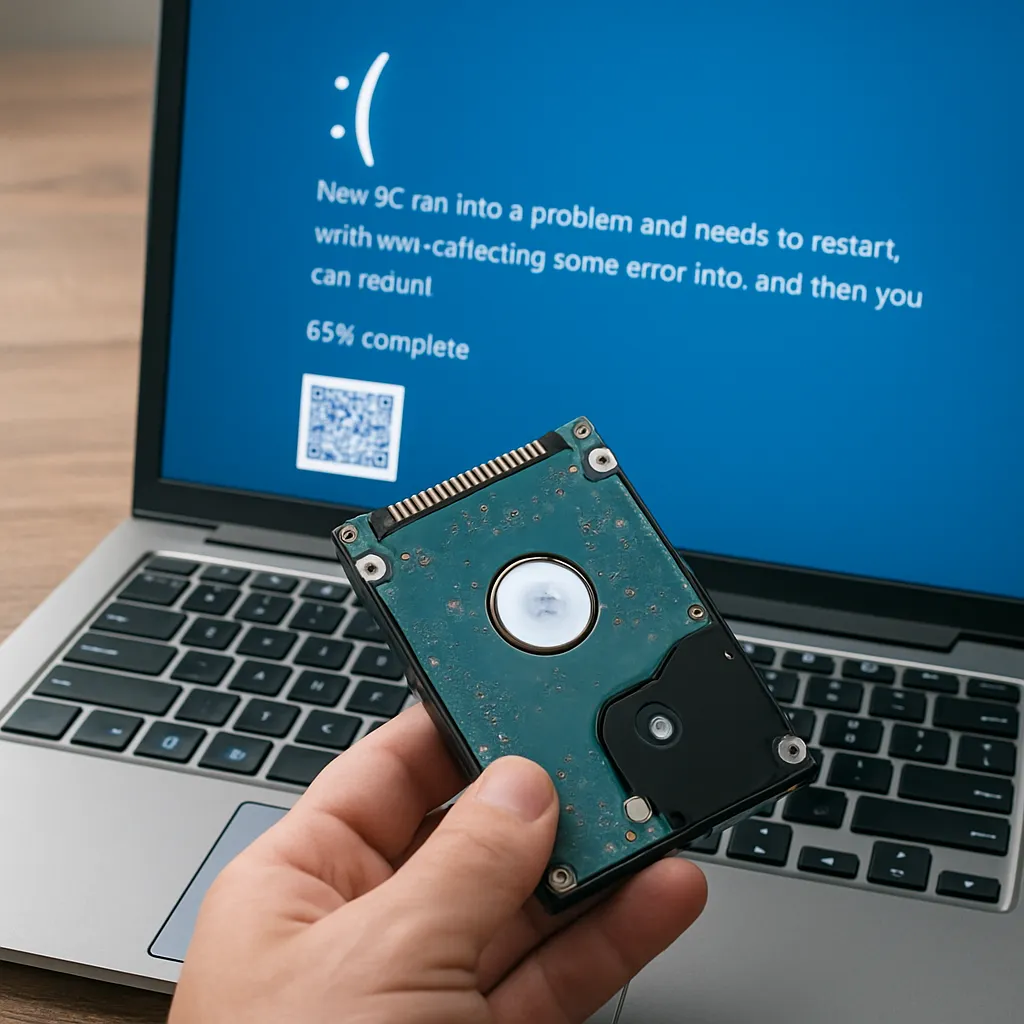
Recovering crucial files after a sudden laptop failure can feel like an uphill battle, especially when dealing with a sophisticated machine such as a MacBook. This guide walks you through professional techniques and software tools to maximize your chances of retrieving lost data. From understanding the causes of disk damage to selecting the best utilities for the task, you’ll gain clarity on every step of the process.
Understanding the Causes of MacBook Failures
Before diving into recovery methods, it’s important to recognize why a MacBook might crash or lose access to data. A clear understanding of the underlying issues will help you choose the most effective strategy. Common triggers include hardware malfunctions, accidental deletions, logical corruption, or even power surges. Identifying the culprit guides you toward the right recovery approach.
Hardware vs. Software Failures
MacBook storage relies on advanced flash-based SSDs, which are typically more resilient than HDDs but are still susceptible to wear and tear. When your device experiences a crash, it could be due to one of two broad categories:
- Physical damage: This involves faulty NAND chips, connectors, or controller boards. Signs include unusual noises, complete drive invisibility, or frequent kernel panics.
- Logical corruption: Occurs when the file system becomes inconsistent. Symptoms are error messages on startup, repeated reboots, or inaccessible folders.
Common Indicators of Data Loss
Watch for these telltale signs that your data may be at risk:
- Error codes like “Disk Utility can’t repair this disk”.
- Spinning wheel freezes or system boots into recovery mode unbidden.
- Files disappear or get renamed with random characters.
- Time Machine backups fail to complete or cannot see the drive.
Selecting Reliable Recovery Software
With a grasp of the potential issues, the next step is choosing the right tool. Not all utilities are created equal—some excel at quick file restores, while others perform a thorough deep scan to reconstruct severely corrupted data structures.
Key Features to Look For
- Compatibility with macOS versions and MacBook hardware.
- Support for SSDs, APFS, HFS+, and other Apple volumes.
- Ability to preview recoverable items, including photos, documents, and emails.
- Non-destructive workflow that doesn’t overwrite original data.
- Options for creating a disk image for offline scans.
Top-Tier Recovery Solutions
Below is a snapshot of some leading utilities valued by IT professionals and home users alike:
- Disk Drill: Intuitive interface, strong preview feature, supports over 400 file formats.
- Data Rescue: Robust scan algorithms, serious about recovering missing partitions.
- EaseUS Data Recovery Wizard: Streamlined wizards, offers both quick and extensive searches.
- Stellar Data Recovery: Provides targeted photo, video, and email recovery modules.
Step-by-Step Data Recovery Process
Embarking on recovery without a clear plan can worsen the situation. Follow a structured procedure to minimize risks and maximize retrieval success.
1. Isolate the Faulty Drive
First, power off the MacBook and detach any peripheral devices. If possible, connect the SSD to another Mac with a SATA-to-USB or NVMe enclosure. This prevents further writes to the compromised volume and gives your recovery software a stable environment.
2. Create a Disk Image
Instead of working directly on the failing drive, generate a sector-by-sector clone or SSD image. Tools like ddrescue or built-in software imaging features can help. Preserving the original state ensures you have a fallback if something goes awry.
3. Perform a Quick Scan
Begin with a surface-level scan to locate recently deleted files and minor corruptions. This mode is faster and often sufficient when damage is limited. You’ll immediately see a list of recoverable items ready for preview.
4. Execute a Deep Scan
If the quick pass yields few results, switch to a deep scan. This comprehensive sweep rebuilds directory trees, recovers fragmented files, and hunts for traces of lost data signatures. Be prepared for longer wait times—it can take hours depending on drive capacity.
5. Preview and Recover
After scanning, filter results by file type, date, or size. Most top-class tools let you view thumbnails or plain text snippets. Select the needed files and save them to a separate volume to avoid overwriting. Always confirm integrity before closing the software.
Best Practices and Preventative Measures
Recovering data once is beneficial, but it’s far better to prevent loss in the first place. Establish solid habits and reliable systems to keep your information safe.
Regular Backups
A consistent backup plan is your greatest defense. Leverage macOS’s built-in Time Machine to automatically archive hourly snapshots. Complement it with cloud sync services or a secondary external drive for offsite redundancy.
Monitoring and Maintenance
Keep an eye on storage health by checking SMART status through utilities like DriveDx. Remove unnecessary apps, update macOS promptly, and avoid exposing the MacBook to extreme temperatures or magnetic fields.
Secure Deletion Practices
When disposing of or selling your MacBook, employ secure erase functions to shred data beyond recovery. This not only guards your privacy but also ensures that no residual bits remain on the drive.
Advanced Strategies for Complex Scenarios
In some cases, typical software solutions may not suffice, particularly when facing severe physical damage or unique encryption hurdles.
Encrypted Volumes
If your disk uses FileVault encryption, you’ll need the correct passphrase to unlock the volume before scanning. Some recovery apps prompt for credentials upfront, while others require you to mount the disk in Finder first.
Professional Data Recovery Services
When DIY methods fail—especially in hardware failure instances—consider sending your SSD to a certified lab. These experts perform chip-off extractions in controlled environments, boasting success rates beyond home utilities.
Leveraging Multiple Recovery Techniques
Combining software scans with manual inspections can yield impressive results. For instance, using command-line utilities (like fsck or hdiutil) alongside a GUI-based application often addresses edge-case damages more comprehensively. Experimentation and patience can turn the tide.
Conclusion of Core Insights
Recovering data from a crashed MacBook may seem daunting, but with the right tools and structured approach, you can restore even severely corrupted files. Prioritize isolation, create reliable images, select capable recovery software, and maintain strong backup routines. By understanding every facet of the process, you’ll minimize risk and protect your valuable digital assets.