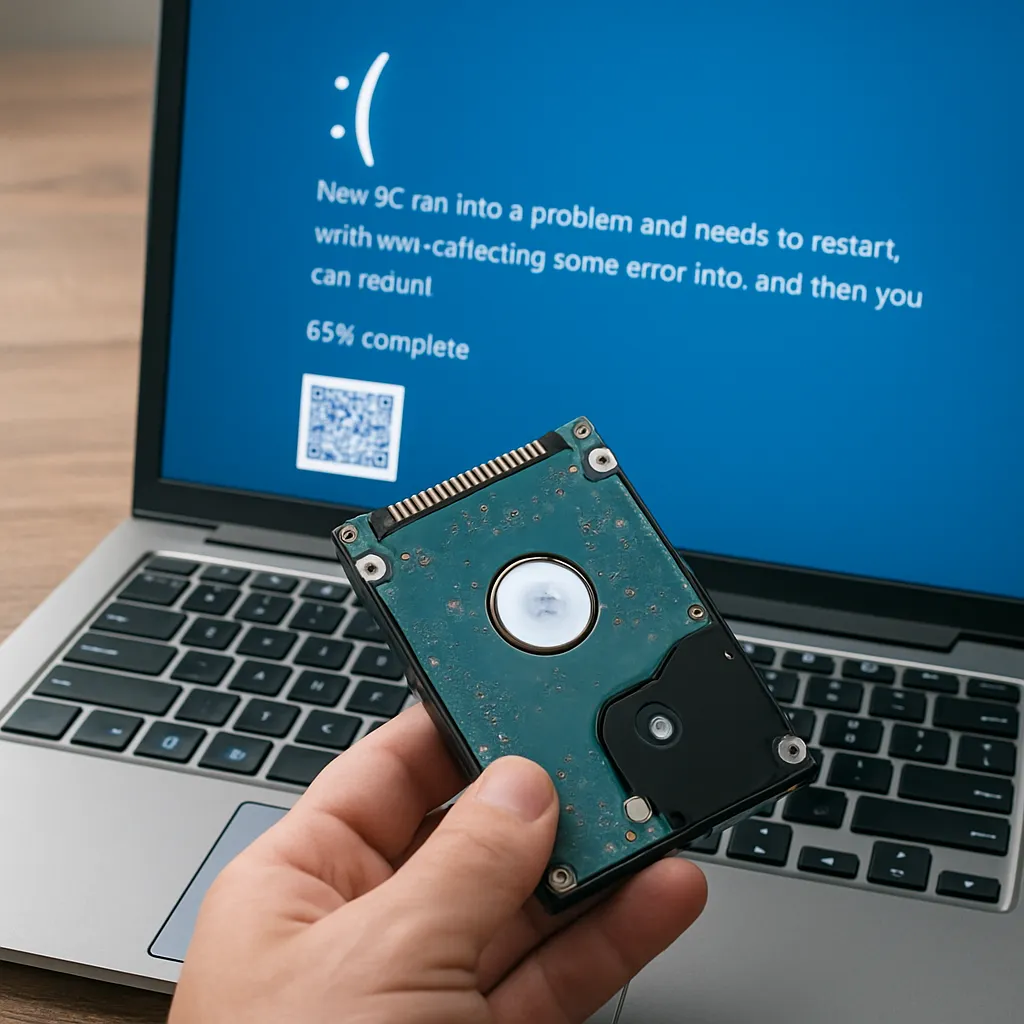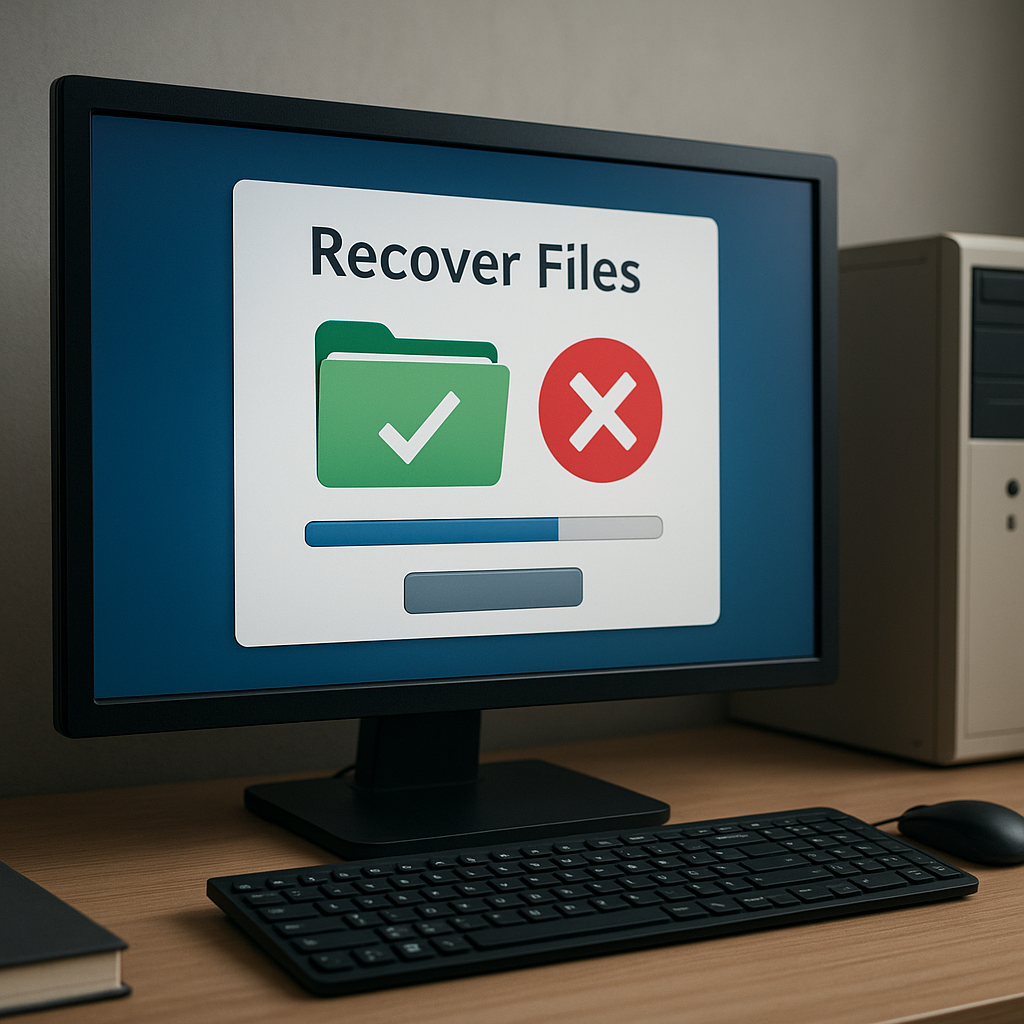
When a system restore operation fails, the panic can be overwhelming, especially if you depend on critical files for work or personal projects. Recovering lost data requires a methodical approach, combining immediate actions with the right recovery software tools. This article explores the causes of restore failures, immediate steps to minimize damage, selection criteria for reliable tools, advanced techniques for file retrieval, and best practices to prevent future incidents.
Common Causes of System Restore Failure
Although Windows and other operating systems provide built-in recovery functions, various factors can interrupt or corrupt the process. Identifying the underlying issue helps you apply the most effective solution.
Corrupted Restore Points
Restore points may become corrupted due to sudden power outages, disk errors, or software conflicts. When a point is damaged, the restore process cannot complete, leaving the system in an unstable state.
Interrupted Processes
Concurrent installations, updates, or antivirus scans running during a restore operation can lead to interruption. The operating system may stop writing necessary files, producing a partial or failed restore.
Insufficient Disk Space
Lack of available space on the target drive can halt the restore process. The operating system needs room to store temporary files and shadow copies; without it, the procedure cannot finalize.
File System Corruption
Bad sectors or logical errors in NTFS, FAT32, or other file systems may prevent the restoration of critical registry hives and system files. Running a disk check before restoration can highlight these issues.
Immediate Steps to Take After a Failed Restore
Reacting quickly to a failed restore can minimize the extent of data loss. The following steps form an effective triage protocol:
- Disconnect External Drives: Prevent further writes by unplugging USB or external HDDs.
- Check Disk Health: Use built-in tools like chkdsk or third-party utilities to scan for bad sectors.
- Boot into Safe Mode: This reduces interference from non-essential drivers and services.
- Inspect Event Logs: Identify error codes and warnings related to restore services.
- Create a Disk Image: Use a reliable imaging tool to snapshot the current state before attempting repairs.
Choosing the Right Recovery Software
Selecting an apt software solution can mean the difference between full recovery and permanent loss. Consider the following criteria when evaluating recovery tools:
Scanning Algorithms
High-quality products implement both quick and deep scans. A quick scan locates recently deleted files by reading the file allocation table, while a deep scan examines raw sectors to reconstruct lost data when metadata is missing.
File System Compatibility
Ensure compatibility with various file systems: NTFS, FAT32, exFAT, HFS+, EXT4, and more. Cross-platform capability benefits environments involving multiple operating systems.
Preview Functionality
Previews help verify file integrity before restoration. Thumbnail and hex viewers reduce the risk of recovering corrupt or irrelevant files, reducing wasted time.
Recovery Speed and Efficiency
Look for multi-threaded engines that accelerate data retrieval. Some advanced software leverages GPU acceleration or direct disk access to shorten scan times.
User Interface and Support
An intuitive interface simplifies complex operations. Comprehensive FAQs, user forums, and responsive technical support are invaluable when you face critical deadlines.
Advanced Techniques for File Retrieval
If conventional methods fail, employ advanced strategies to enhance recovery success:
- Image Mounting: Work on a disk image rather than the original drive to avoid further damage.
- Sector-by-Sector Clone: Duplicate the entire disk, including bad sectors, then perform recovery on the clone.
- Command-Line Tools: Utilities like TestDisk and PhotoRec can manually rebuild corrupted partitions and retrieve raw data.
- Disk Wiping Prevention: Avoid formatting or initializing disks before attempting recovery, as this can overwrite crucial data.
- Cross-Platform Recovery: Boot from a Linux live USB with recovery suites if Windows tools cannot access the volume.
Practical Workflow for Restoring Critical Files
Implementing a structured workflow improves both speed and accuracy:
- Create a full disk image using a verified backup tool.
- Mount the image read-only in recovery software to prevent writes.
- Perform a deep scan in prioritized areas, such as User folders and ProgramData.
- Filter results by file type (documents, images, databases) to locate vital files faster.
- Select high-confidence items via preview, then export to a separate storage medium.
Preventing Future Data Loss
Proactive measures ensure you’re prepared for unexpected failures:
- Implement a 3-2-1 Backup Strategy: Maintain three copies of data on two different media, with one offsite or in the cloud.
- Schedule Regular Restore Point Creation: Automate system snapshots to maintain a chain of recovery points.
- Use Versioning in Backup Solutions: Store multiple historical versions of files to roll back to earlier states.
- Monitor Disk Health: Deploy S.M.A.R.T. monitoring and alert tools for early warning of hardware degradation.
- Encrypt Backups: Protect sensitive data with strong encryption to defend against unauthorized access.
Integrating Automated Recovery Protocols
For enterprise or high-dependency environments, combine automation and scripting for a robust recovery pipeline:
- PowerShell or Bash Scripts: Trigger automated backups and verify integrity with checksum comparison.
- Continuous Data Protection (CDP): Capture every file change in real time for near zero RPO (Recovery Point Objective).
- Centralized Management Consoles: Oversee multiple endpoints, view health status, and execute remote restores.
Conclusion
Recovering files after a system restore failure requires swift action, the right tools, and disciplined avoidance of common pitfalls. By mastering immediate recovery steps, selecting software with advanced algorithms, and establishing preventive routines, you can mitigate risks of data corruption and ensure operational continuity without compromise.