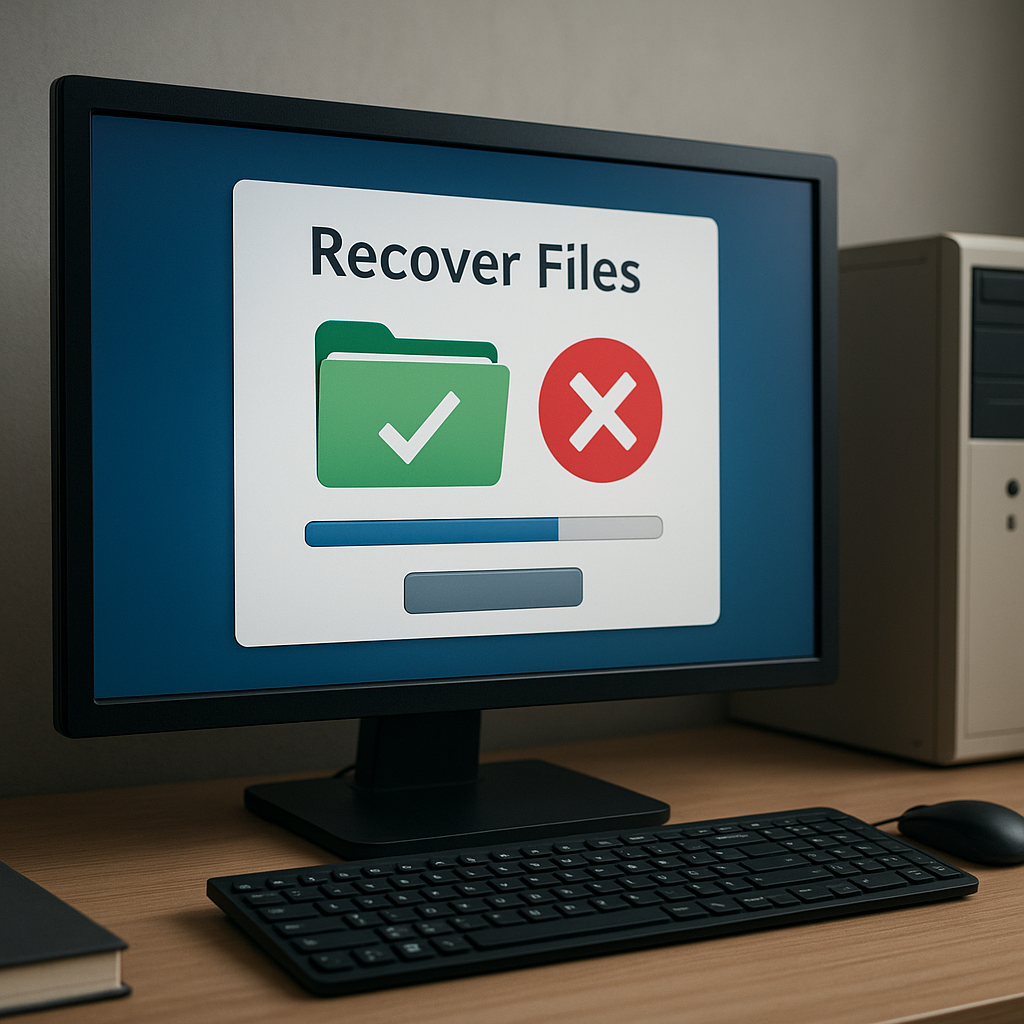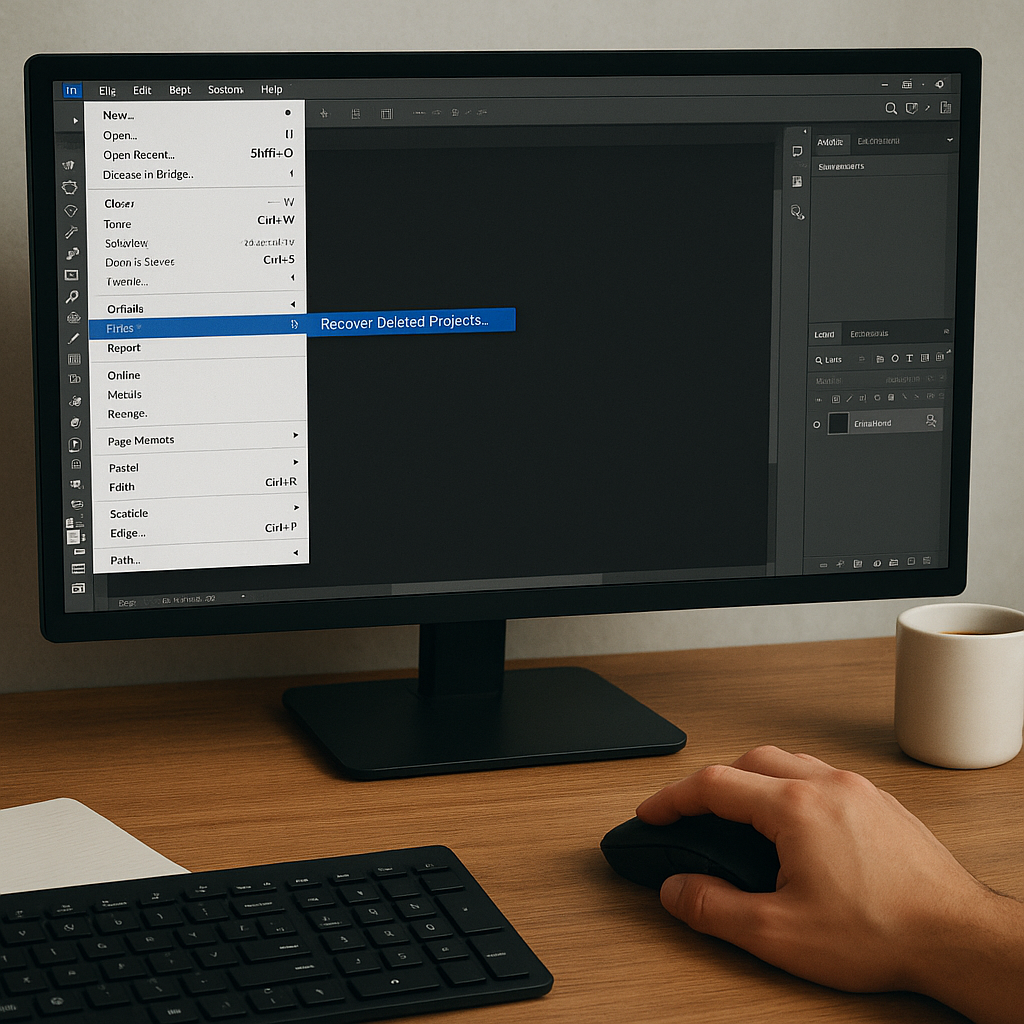
Recovering files from a formatted SSD can feel like an impossible task, but with the right approach and dedicated recovery software, you can restore your precious data. Whether you accidentally formatted the wrong drive or fell victim to a system glitch, understanding the underlying mechanisms and choosing suitable tools will improve your chances of success. This article breaks down essential steps, techniques, and precautions to guide you through the process of how to recover lost files after SSD formatting.
Understanding SSD Formatting and Data Loss
When you format a solid-state drive, the operating system typically removes address pointers to files rather than erasing each bit of data. However, SSDs implement a feature called TRIM, which actively wipes blocks of storage to maintain performance. This behaviour complicates data recovery compared to traditional HDDs.
1. What Happens During Formatting?
- The file system’s directory structure is reset, causing pointer tables to be wiped or rebuilt.
- Formatting in “quick” mode only marks space as available, leaving old data intact until overwritten.
- Full formats may involve zero-filling or secure erase commands, which permanently clear data blocks.
2. The Role of TRIM Technology
- TRIM instructs SSD controllers to clear data in invalidated blocks, optimizing write performance.
- Once TRIM has been executed, the corresponding data cannot be recovered by conventional methods.
- Many modern operating systems issue TRIM commands automatically, making timing critical.
Recovering Lost Files: Tools and Techniques
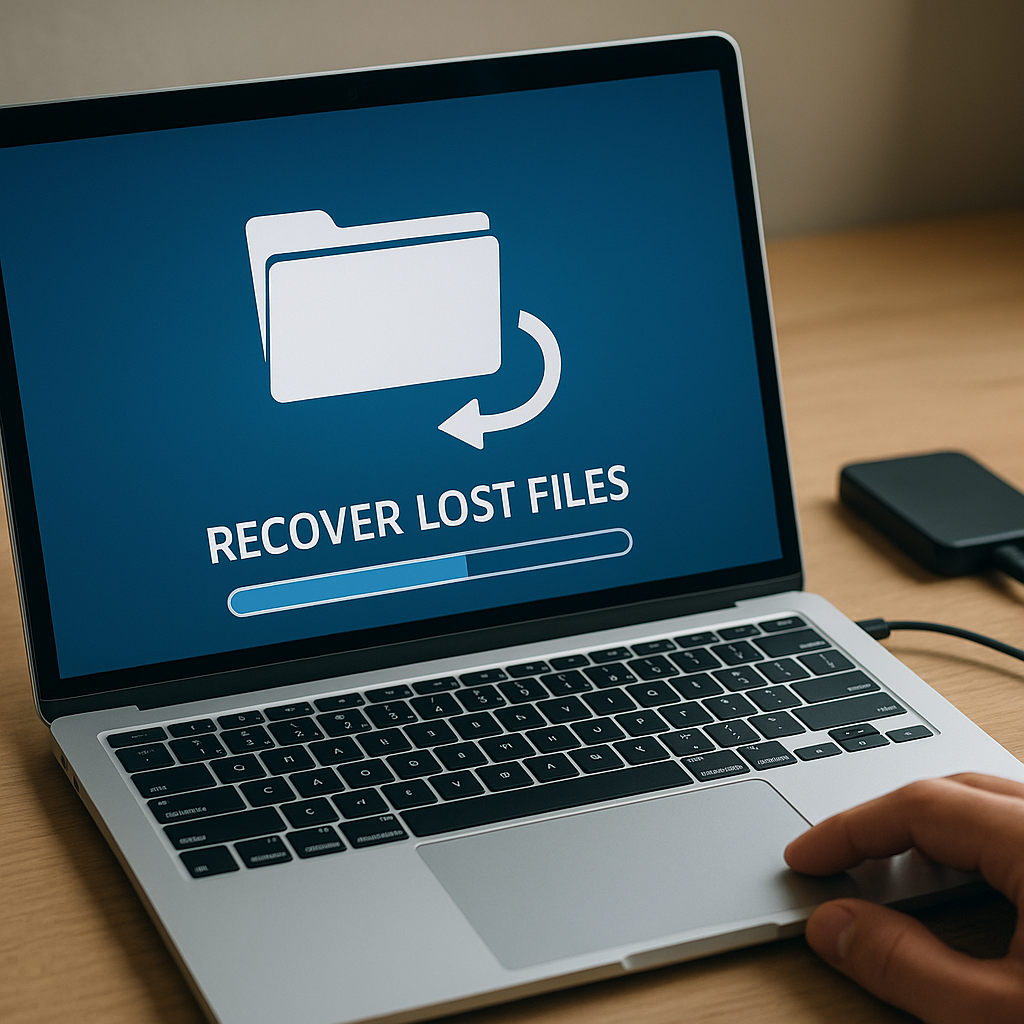
Selecting the proper data recovery utility and applying the right scanning method can dramatically improve restoration success. Below are recommended steps and software strategies you can employ.
1. Choosing the Right Software
- Look for utilities with SSD-specific algorithms, such as deep-image scanning and file signature recognition.
- Popular options include Disk Drill, EaseUS Data Recovery Wizard, and R-Studio, all of which support file system types like NTFS, FAT32, and exFAT.
- Ensure the tool offers a preview feature, allowing you to verify recoverable items before committing to a full restore.
2. Performing a Safe Scan
- Install recovery software on a different drive to avoid overwriting the formatted SSD.
- Use a read-only or Safe Mode scan if available; this prevents accidental writes.
- Begin with a quick scan to locate recently deleted files, then proceed to a deep or sector-by-sector scan for thorough coverage.
3. Filtering and Previewing Results
- Use built-in filters for file extensions (.docx, .jpg, .mp4) to narrow down thousands of entries.
- Preview recovered files within the software to ensure integrity before restoration.
- Only select necessary files for recovery to minimize drive wear and expedite the process.
Best Practices to Prevent Future Data Loss
While recovery is possible, prevention remains the most effective strategy. Implementing robust safeguards will save you time, money, and stress in the long run.
1. Regular Backups
- Schedule automatic backups using cloud services or external drives with versioning support.
- Maintain at least two copies of critical data—one local and one offsite—for redundancy.
- Verify backups periodically by restoring sample files to confirm integrity.
2. Avoiding Unnecessary Formats
- Double-check drive letters and file content before initiating a format.
- Use disk management tools to rename or label partitions clearly, reducing user error.
- Consider non-destructive troubleshooting for file system issues, such as CHKDSK or fsck.
3. Firmware Updates and Health Monitoring
- Keep SSD firmware up to date to benefit from improved stability and TRIM scheduling.
- Use SMART monitoring tools to track SSD health indicators like wear leveling and bad blocks.
- Replace aging SSDs before they reach endurance limits to avoid sudden failures.
Advanced Tips and Troubleshooting
In complex scenarios where standard methods fail, consider these advanced strategies to maximize recovery potential.
1. Using Disk Imaging
- Create a full sector-by-sector image of the formatted SSD.
- Work on the image rather than the original drive to prevent additional wear or data loss.
- Employ imaging software like ddrescue or specialized forensic tools designed for damaged media.
2. Recovering from a Damaged File System
- Repair corrupted file systems using utilities such as TestDisk before running recovery scans.
- If TestDisk cannot restore the partition table, extract individual files via PhotoRec or similar signature-based extractors.
3. Leveraging Professional Services
- When DIY methods fall short, seek accredited data recovery labs with cleanroom facilities.
- Get a cost estimate and recovery likelihood assessment before proceeding with professional service.
- Ensure the provider adheres to strict confidentiality and security protocols to protect your sensitive data.