Accidentally deleting important emails can cause significant stress, especially when those messages contain critical project details or personal correspondence. Fortunately, Gmail offers several recovery options, and specialized recovery software can assist when native methods fall short. This guide explores proven techniques to retrieve deleted messages and prevent future data loss.
Understanding Gmail Email Deletion and Retention Policies
Before diving into recovery methods, it is essential to grasp how Gmail handles deleted messages. When an email is removed from your inbox or a label, it moves to the Trash folder for 30 days. During this period, you can restore the message to your inbox or another label. After 30 days, Gmail permanently purges the content, making native retrieval difficult. Google’s servers then release the storage space.
In the context of Google Workspace accounts, administrators can configure retention rules using Vault, preventing emails from permanent deletion for a preset duration. Personal Gmail accounts, however, do not have these enterprise features. If messages have disappeared from Trash, consider the following factors:
- Automatic purging after 30 days.
- Manual emptying of the Trash folder.
- Synchronization issues with IMAP or third-party email clients.
- Account compromise or accidental deletion by linked devices.
Understanding these conditions helps you choose the appropriate recovery path. Native Gmail options cover the first 30 days, while specialized tools can address beyond-30-day data loss or complex scenarios.
Native Methods to Recover Deleted Emails
Gmail’s built-in recovery features are the first resource. Follow these steps promptly if you suspect email deletion:
1. Restore from the Trash Folder
- Open Gmail and click on Trash in the left-hand menu. If you do not see it, select “More” to reveal additional labels.
- Browse or search for the deleted email using keywords, senders, or date filters.
- Select the checkbox next to the desired message and click “Move to Inbox” or apply a label to relocate it.
2. Search Spam and Other Labels
Sometimes messages are miscategorized or flagged as spam:
- Click “Spam” in the left menu and search for the email.
- If found, select it and click “Not spam” to restore it to your inbox.
3. Check Email Client Synchronization
If you use an email client (Outlook, Apple Mail, Thunderbird) configured via IMAP, local deletions might not have synced properly:
- Open your email client and check its Trash or Deleted Items folder.
- If emails are present, move them back to an IMAP folder, which will sync changes to Gmail.
4. Submit a Gmail Support Request
If you mistakenly emptied the Trash folder within the last 30 days, Google Support may assist:
- Visit the Gmail Help Center and locate “Missing emails” support.
- Complete the recovery form, providing details like approximate deletion date and subject lines.
- Google will search backups and attempt to restore your messages, typically within a few days.
These native methods work best within the 30-day retention window. Beyond that, messages are unrecoverable through standard Gmail features.
Using Third-Party Recovery Software
When emails have been permanently removed or exceed Gmail’s retention period, specialized recovery tools can help. These applications scan your local system or cloud backups to reconstruct lost data. While recovery is not guaranteed, reputable software can increase success rates significantly.
Key Features to Look for in Email Recovery Software
- Deep Scanning: Analyzes file remnants on disk or cloud caches to locate deleted email fragments.
- Compatibility: Works with Gmail archive formats like MBOX, PST, or EML files exported via Google Takeout.
- User-friendly interface: Guides you step-by-step through scanning, previewing, and restoring emails.
- Selective Recovery: Allows choosing specific messages or entire folders for restoration.
- Preview functionality: Displays email content before recovery to confirm accuracy.
Step-by-Step Guide to Recovering Emails with Software
- Download and install a trusted recovery application on your computer. Ensure it supports Gmail archive formats.
- Export Gmail data:
- Log into your Gmail account.
- Navigate to Google Takeout (takeout.google.com) and select “Mail.”
- Choose “All Mail data included” or specify labels, then create the export.
- Download the resulting MBOX file.
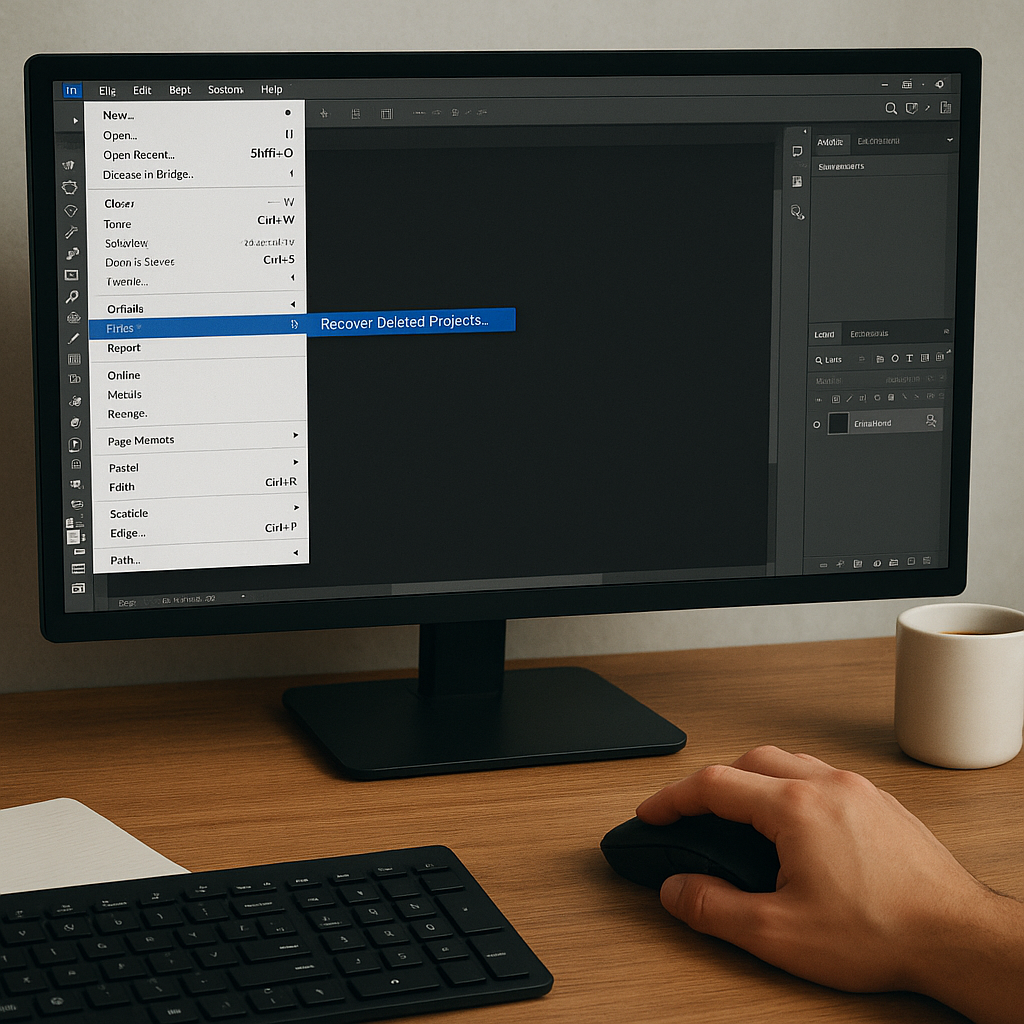
- Launch the recovery software and import the MBOX file. Initiate a deep scan to uncover deleted items.
- Once scanning completes, browse the folder structure and preview emails. Software often highlights recovered subjects and senders.
- Select desired messages and export them back to a new MBOX file or directly to your Gmail account via supported import tools.
For local email clients, you may scan the PST or OST files directly. If you synchronized Gmail with Outlook, run the recovery tool on the relevant .pst file to retrieve permanently deleted items.
Leveraging Cloud Backup Solutions
Regularly backing up your Gmail to a secure cloud service can expedite recovery. Many backup platforms offer continuous, automated archiving with easy restoration:
- Set up daily or hourly backups of your Gmail account.
- Browse previous backup versions and restore missing emails with a few clicks.
- Maintain multiple backup retention points to protect against accidental mass deletions or account compromises.
Best Practices for Email Backup and Data Protection
Prevention remains the most effective strategy against Data loss. Implementing robust backup and security protocols ensures you always have access to critical communications.
1. Enable Two-Factor Authentication (2FA)
Secure your account with 2FA to prevent unauthorized deletions. Use authenticator apps or hardware keys rather than SMS for stronger protection.
2. Configure Automated Backups
Employ tools or services that archive Gmail data regularly:
- Cloud-to-cloud backup services integrate directly with Gmail, automating exports.
- Local backup applications save MBOX or PST files at scheduled intervals.
3. Utilize Google Workspace Vault (for Business Accounts)
Administrators can create retention rules and legal holds to preserve emails indefinitely. Vault ensures that messages remain recoverable even if users delete them from their personal inboxes.
4. Conduct Periodic Audits
Review backup logs and retention settings at least quarterly. Confirm that archives complete successfully and that data integrity is preserved.
5. Educate Team Members
Train staff on proper email management, risk awareness, and the importance of regular backups. A comprehensive recovery plan minimizes downtime and prevents critical information loss.
By combining Gmail’s native recovery options, specialized recovery software, and proactive backup strategies, you can reclaim deleted emails and fortify your communication channels against future incidents. Consistent vigilance and the right tools ensure that no message vanishes without a trace.