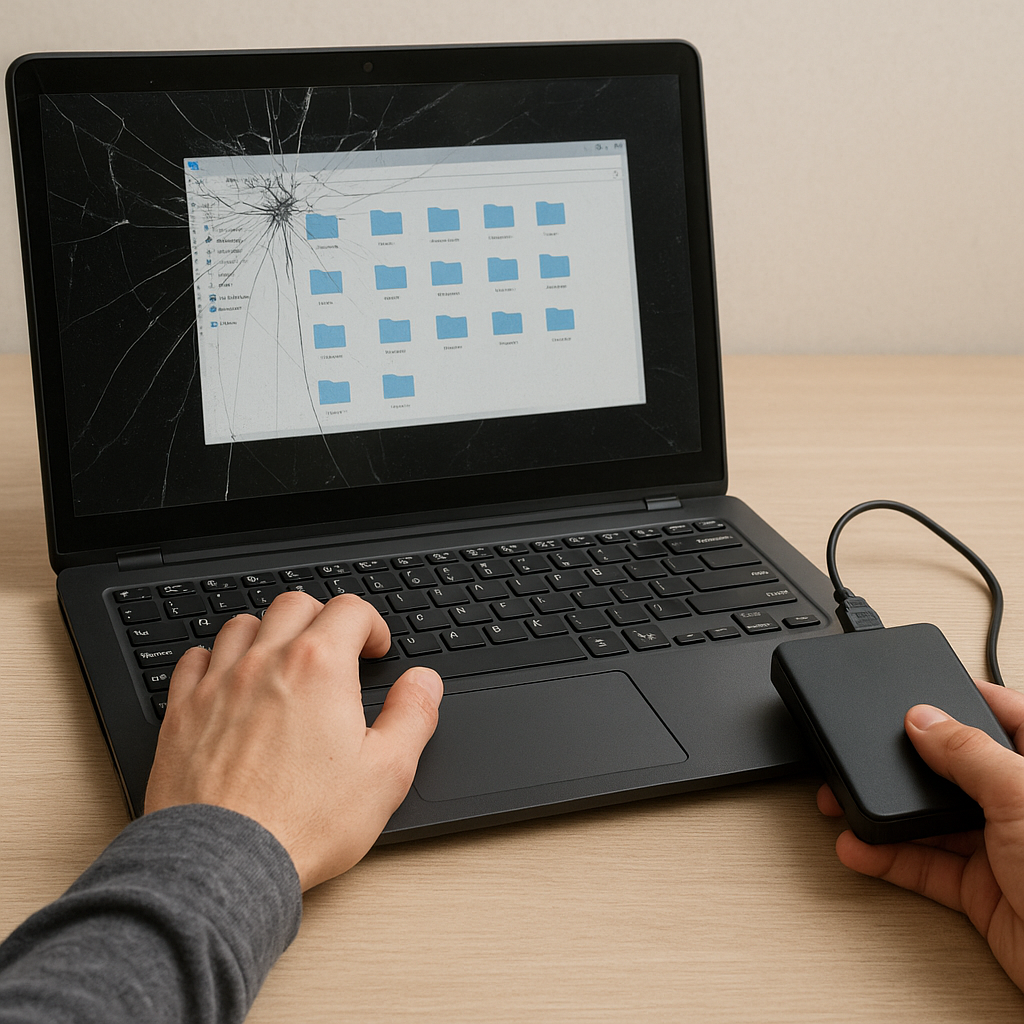
Dealing with a laptop that powers on but shows nothing due to a shattered or malfunctioning screen can be a real headache. Fortunately, you don’t have to surrender your important files to a broken display. This guide will walk you through several proven methods to retrieve your precious data, using both hardware tweaks and specialized software tools. Follow these steps carefully to regain access and ensure the integrity of your files.
Assessing the Damage and Establishing a Connection
Visual Inspection and Basic Diagnosis
First, confirm that the laptop is actually booting and not entirely dead. Listen for fan noise, hard drive spinning or indicator LEDs. If the laptop seems to start up, the problem is most likely confined to the display. Before diving into advanced techniques, perform a quick check:
- Ensure the connection between the power adapter and the laptop is solid.
- Try toggling the display with the “Fn” key combination (for example, Fn + F5 or Fn + F8) to switch to an external monitor.
- Remove all peripheral devices to rule out conflicts.
Using an External Monitor or TV
If you can’t see anything on the built-in screen, hooking up an external display is the simplest workaround. Here’s how:
- Obtain an HDMI, VGA, or DisplayPort cable compatible with your laptop.
- Connect one end to the laptop’s video output port and the other to the monitor or TV.
- Power on both devices, then press the display toggle keys to redirect output.
Once you have a visible desktop on the external screen, you’re set to use recovery software or simply copy files off the drive. If this method fails, move on to using a drive enclosure.
Extracting the Hard Drive and Using Recovery Software
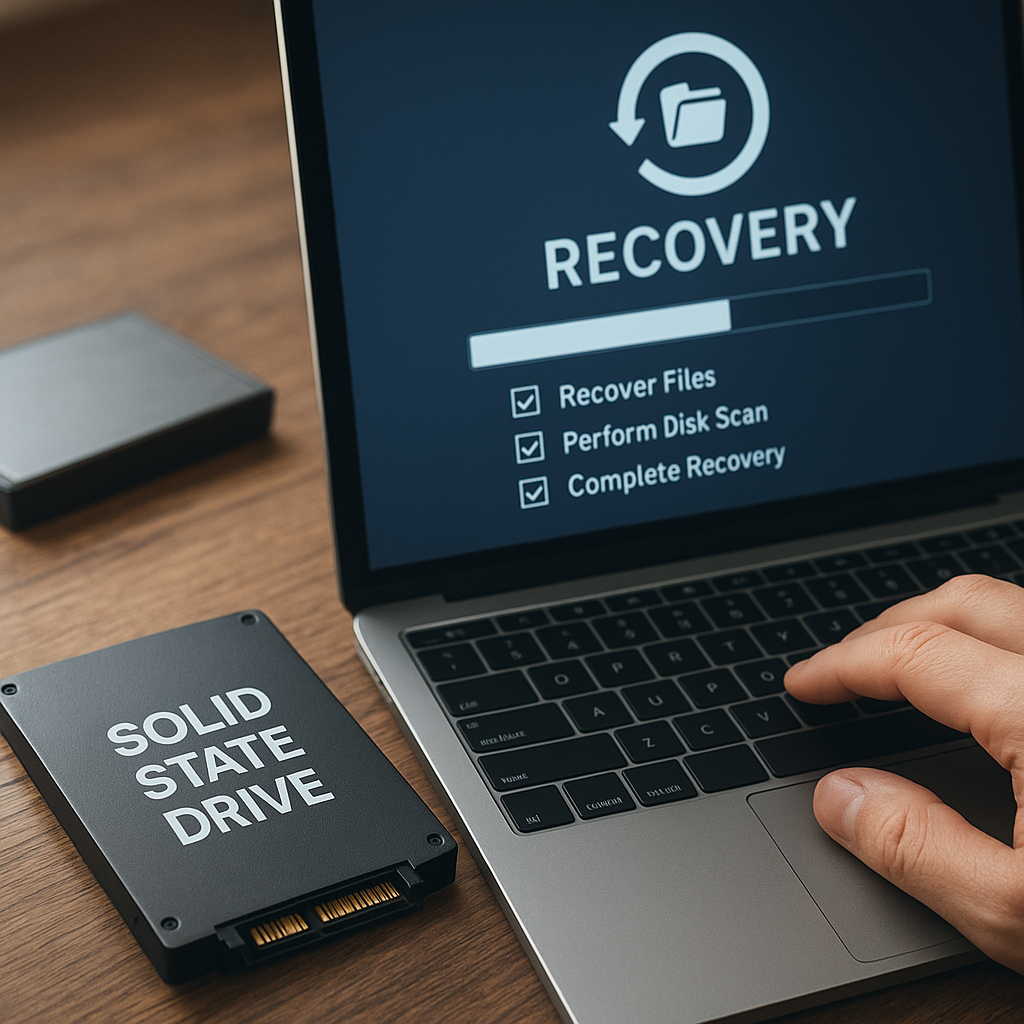
Removing the Laptop’s Storage
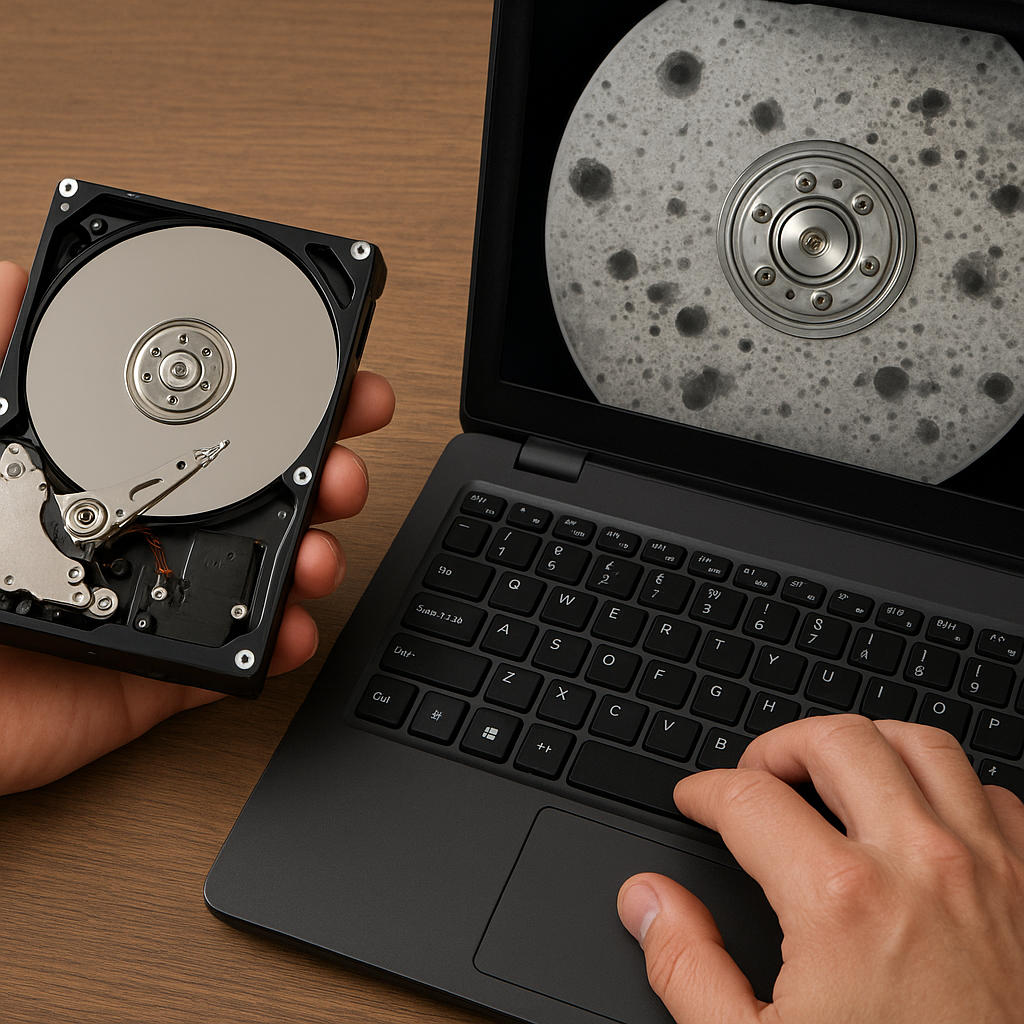
Many laptops allow you to access the internal hard drive or SSD via a small panel on the bottom. Consult your manufacturer’s manual for instructions. Once you’ve safely removed the drive, take these precautions:
- Handle the drive by its edges; avoid touching circuitry.
- Place it on an anti-static surface or mat.
- Make sure you have a compatible USB-to-SATA adapter or external enclosure.
Connecting to Another Computer
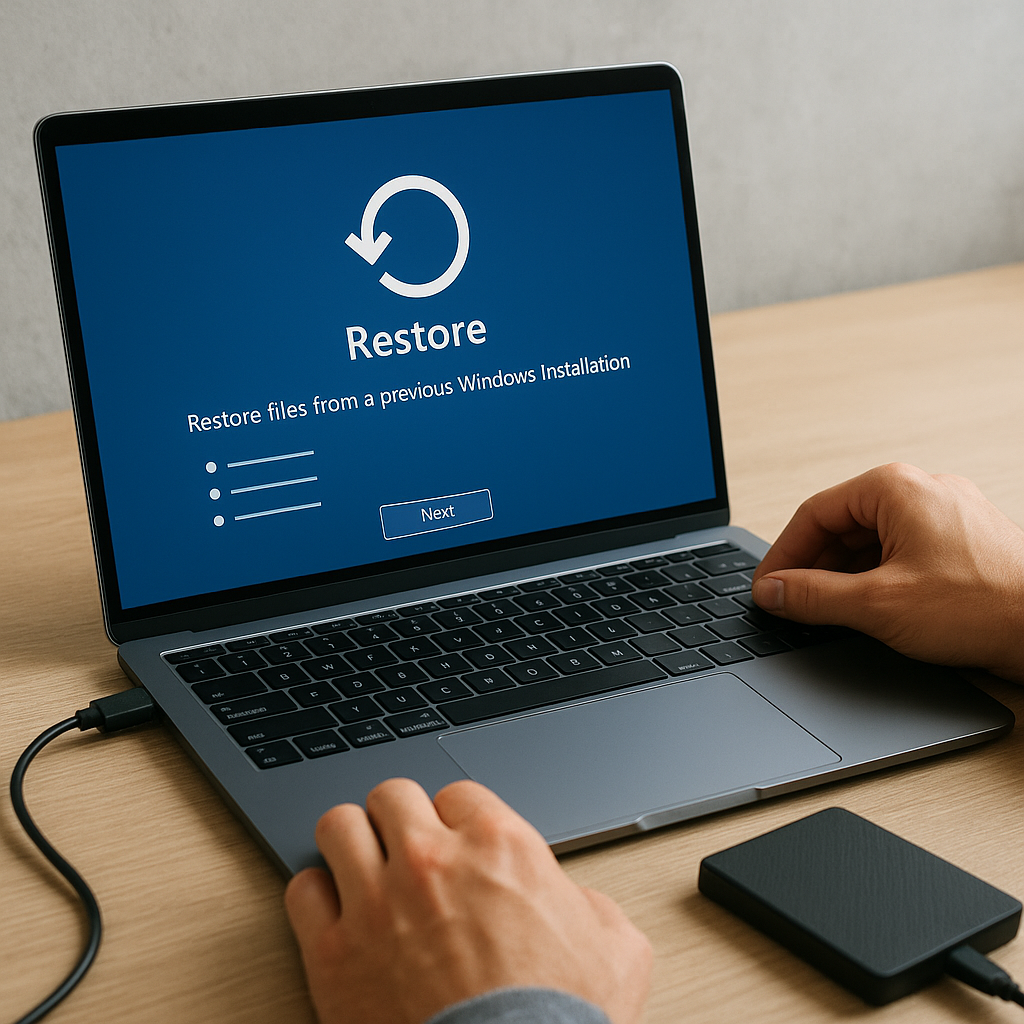
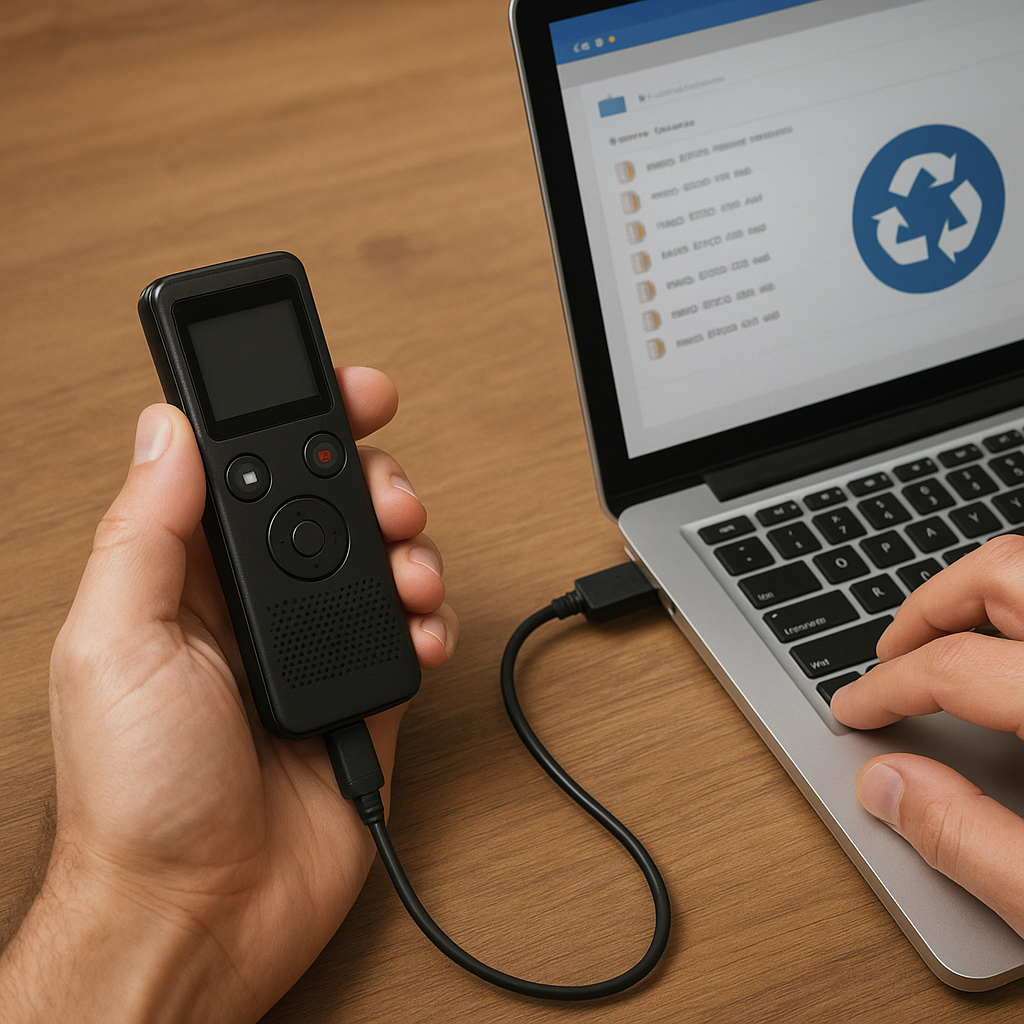
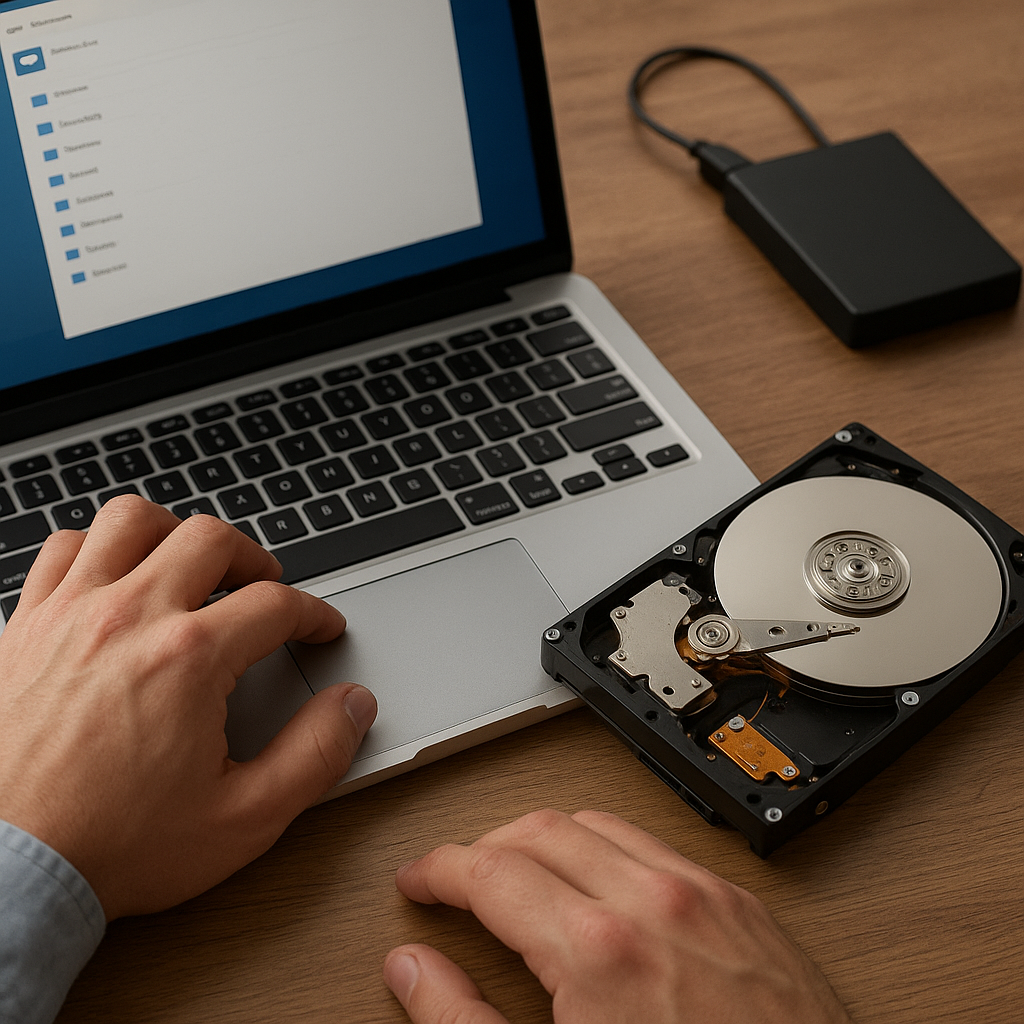
Using a USB adapter or docking station, connect the removed drive to a functioning PC. The operating system should detect the drive as an external device. If the drive is recognized, you can proceed to recover or copy files. For stubborn drives, consider specialized recovery software.
Selecting the Right Recovery Software
Not all tools are created equal. When choosing a recovery solution, look for features like deep scan, file preview, and support for various file systems (NTFS, FAT32, exFAT). Popular options include:
- TestDisk/PhotoRec – powerful command-line utilities with free licensing.
- Recuva – user-friendly interface and solid performance for Windows.
- EaseUS Data Recovery Wizard – comprehensive, with a trial version.
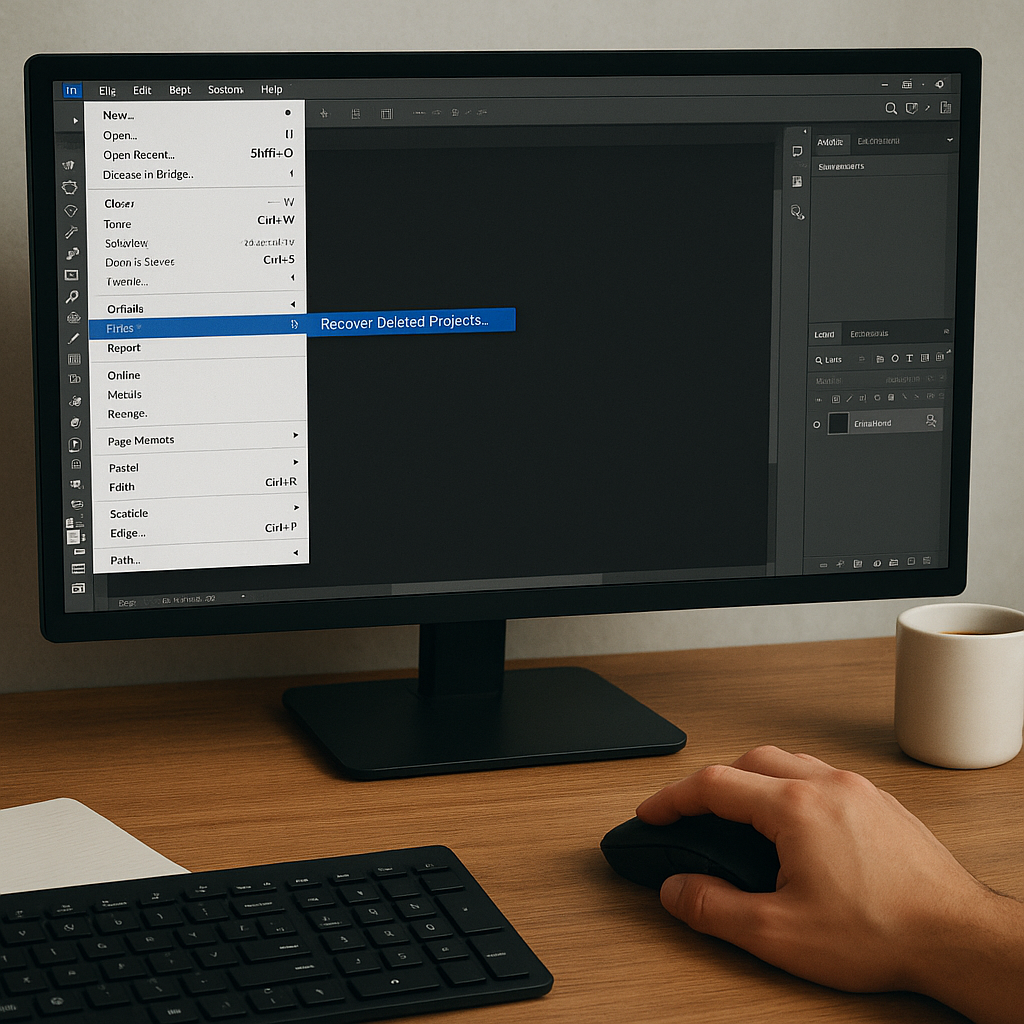
Install the chosen tool on your host computer (never on the problem drive). Run a full scan and review the recoverable files. Move them to a different drive or partition to avoid overwriting.
Alternative Methods for Screenless Recovery
Booting from a Live USB
When local operating system issues obstruct access, a bootable USB stick can circumvent the problem. Here’s how:
- Download a Linux distribution ISO (Ubuntu, Mint, etc.).
- Use Rufus or Etcher to flash the ISO onto a USB drive.
- Insert the USB into the broken-laptop, power it on, and choose USB boot via BIOS/UEFI.
The live environment often mounts internal drives automatically, letting you copy files to another external drive.
Using Network File Sharing
If physical removal isn’t feasible, consider transferring files over the network:
- Enable Remote Desktop (Windows) or SSH (Linux) on the broken laptop before damage occurs.
- From another machine, connect via RDP, VNC, or SFTP to initiate file transfers.
- Ensure both devices are on the same LAN or use a VPN for remote access.
Best Practices and Preventive Measures
Establishing a Robust Backup Routine
Retrieval is always more complicated than prevention. Build a schedule to back up files regularly:
- Use cloud services (OneDrive, Google Drive) for automatic syncing of critical folders.
- Maintain an hourly or daily backup to an external HDD/SSD.
- Verify backups periodically to guarantee integrity.
Encrypting Sensitive Information
Securing your data at rest protects against unauthorized access in case of physical theft or loss:
- Enable BitLocker (Windows) or FileVault (macOS) for full disk encryption.
- Store encryption keys and recovery codes in a safe location.
- Consider a hardware-encrypted external drive for offsite backups.
Maintaining Your Hardware
Finally, a well-maintained laptop is less likely to suffer sudden display failures:
- Keep vents and fans clean to avoid overheating.
- Use a protective case or sleeve to minimize impact damage.
- Inspect hinges and cables regularly for wear and tear.
With these strategies and the right combination of hardware solutions and recovery software, you can conquer a broken laptop screen scenario and reclaim your valuable data. Prioritize backups and encryption to minimize future headaches and keep your information secure.