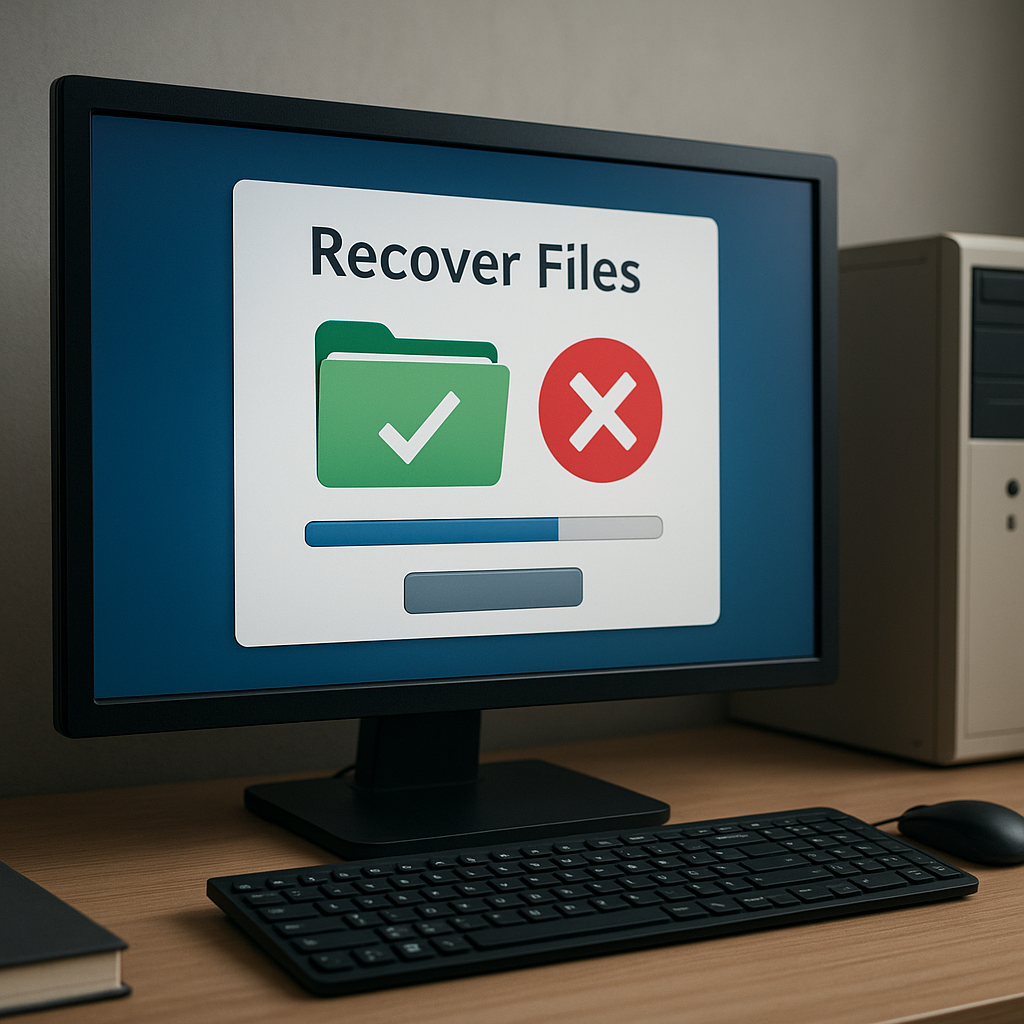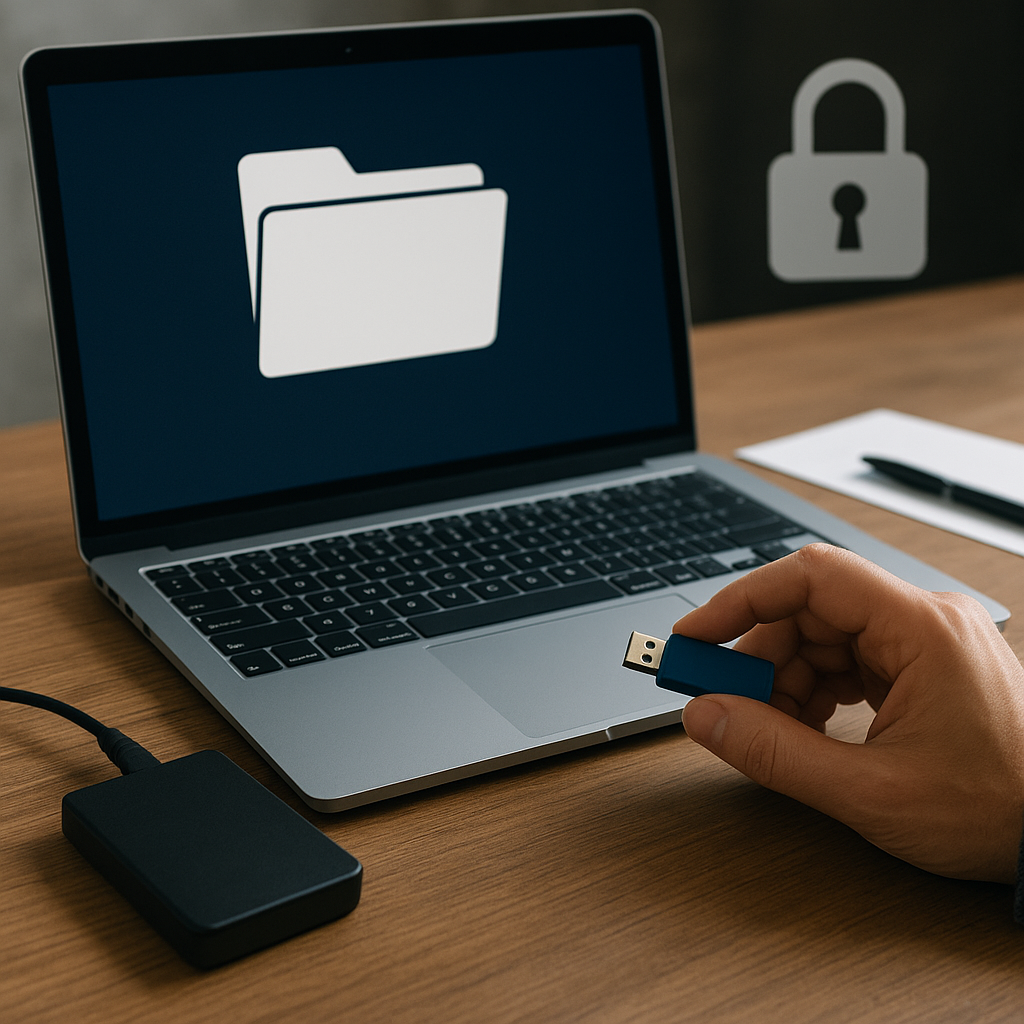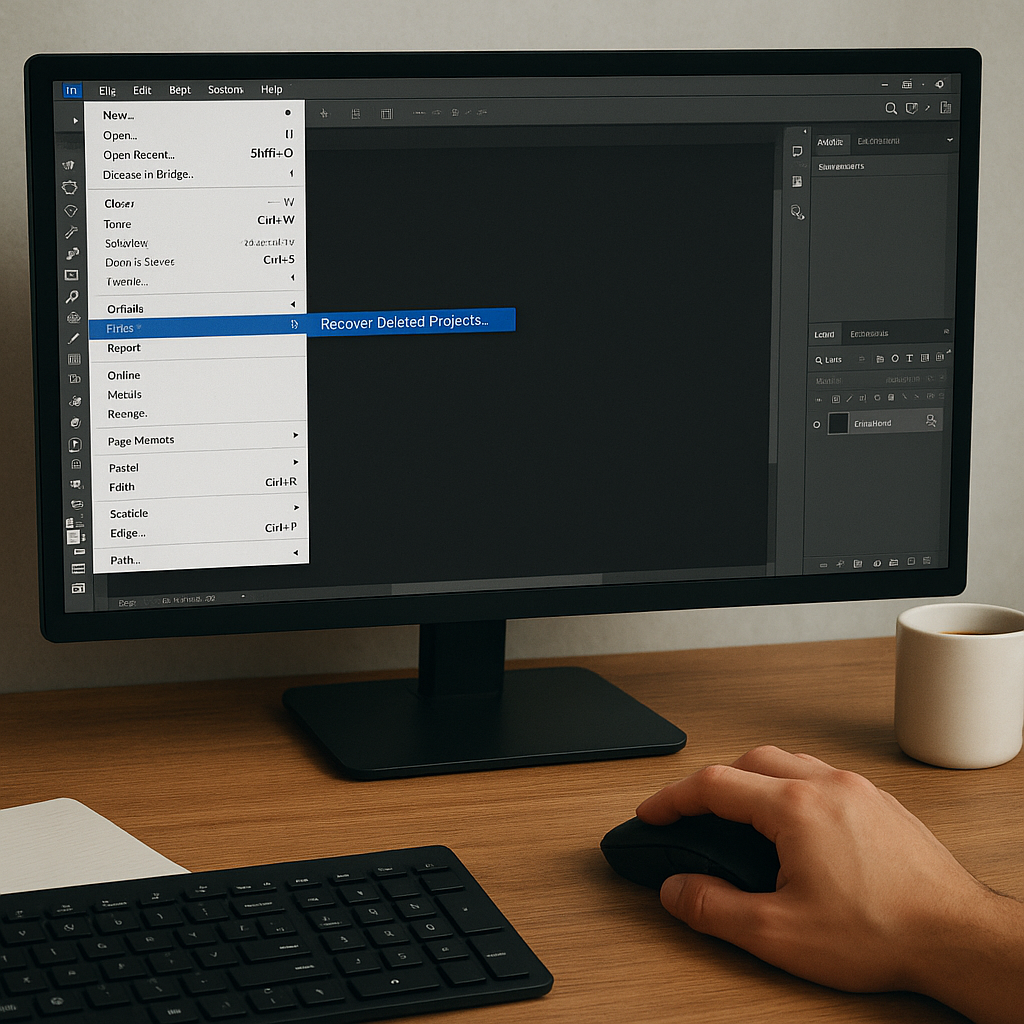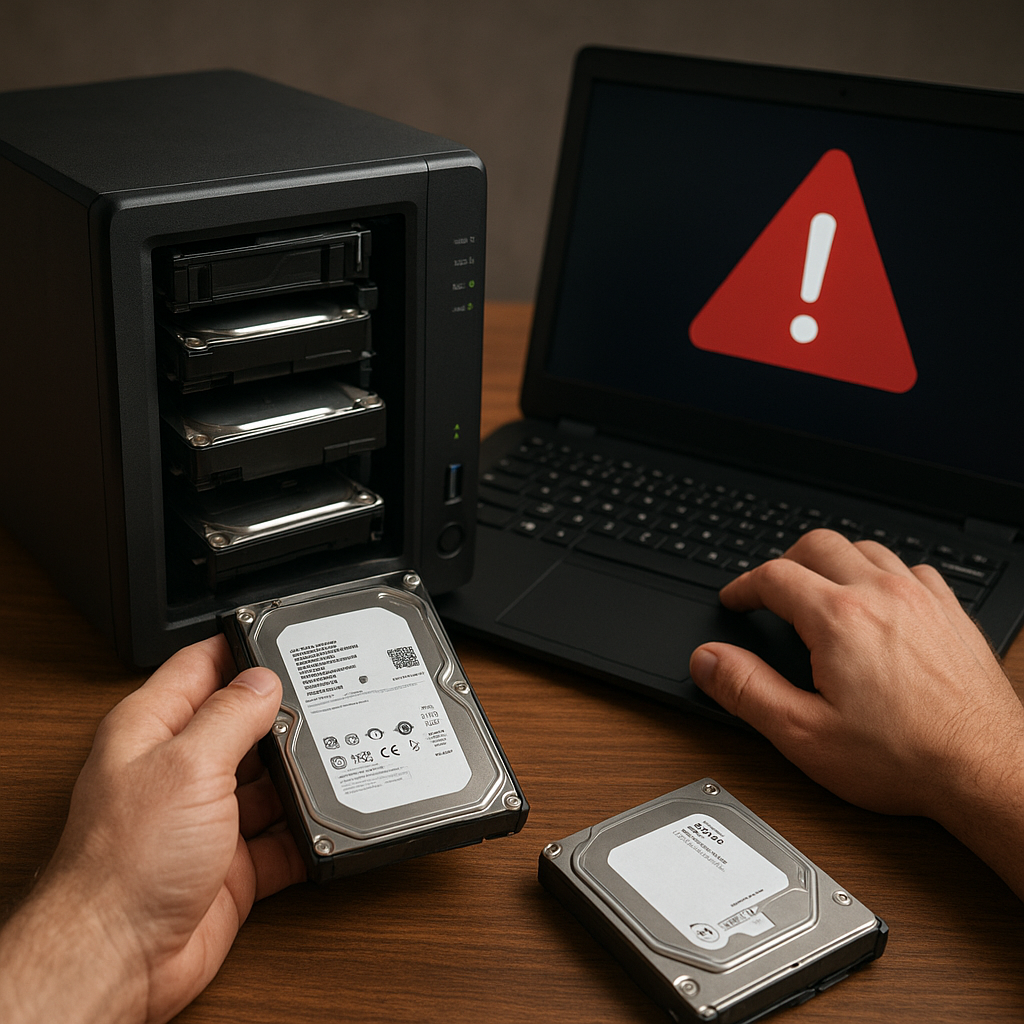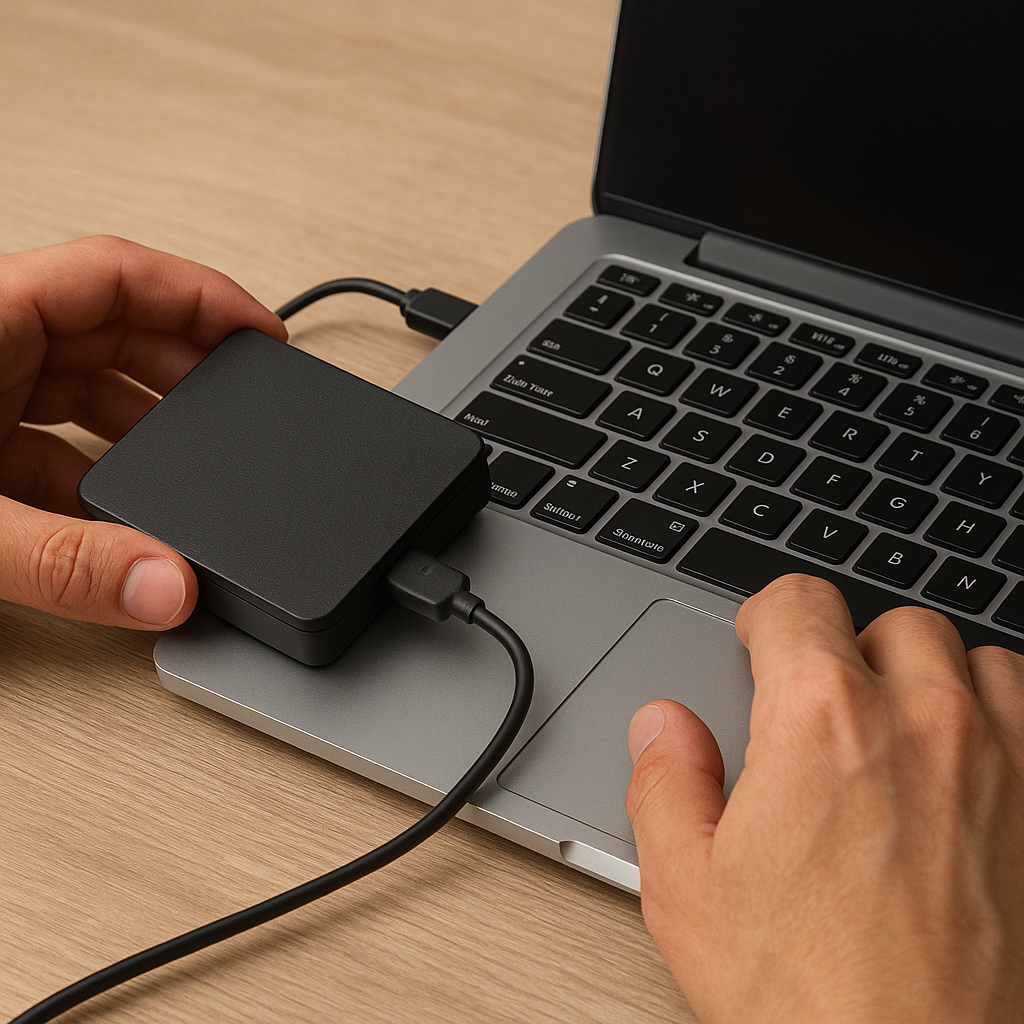
External hard drives are reliable companions for expanding storage and safeguarding important data, yet they can sometimes vanish from your system without warning. When an external drive fails to appear in File Explorer or Disk Management, it may trigger panic, especially if crucial files seem out of reach. Fortunately, a variety of troubleshooting steps and specialized recovery tools can help you retrieve lost data and restore access to your drive. This article delves into the causes behind a missing external drive, explores proven recovery techniques, and offers guidance on preventing future data loss.
Understanding the Causes of an Unrecognized External Drive
Before launching into recovery methods, it’s essential to identify why your external hard drive is not showing up. Understanding the root cause helps you select the most effective solution and avoid further damage.
Hardware-Related Issues
- Faulty USB Cable: A damaged or low-quality cable can impede data transmission. Try swapping the cable with a known-working alternative to eliminate this variable.
- Insufficient Power: Some drives require more power than a single USB port can deliver. Using a powered USB hub or connecting to a different port may restore functionality.
- Port Malfunction: USB ports can wear out over time. Test the drive on multiple ports or even another computer to check port health.
File System and Partition Problems
- Corrupted Partition Table: An irregularity in the Master Boot Record (MBR) or GUID Partition Table (GPT) can render the drive invisible. Disk management utilities may detect the drive as unallocated space or RAW.
- Unsupported File System: If the drive uses a file system not recognized by your operating system (e.g., ext4 on Windows), you’ll need a compatible adapter or a third-party tool.
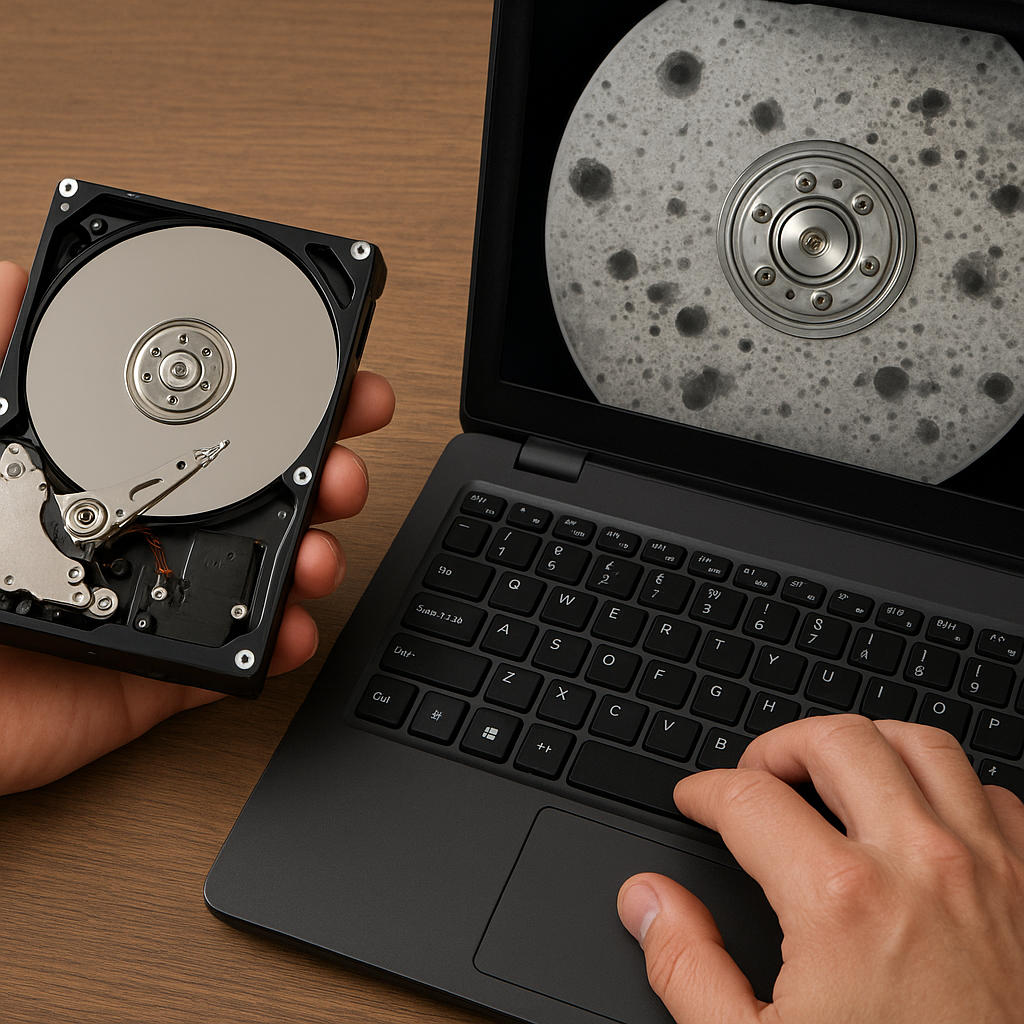
- Bad Sectors: Physical damage to the platter can create unreadable areas. While some sectors might be recoverable, extensive damage could necessitate professional help.
Software and Driver Conflicts
- Outdated Drivers: Operating systems rely on driver software to communicate with hardware. Updating USB and storage drivers often resolves detection issues.
- Operating System Glitches: Temporary conflicts or system updates may disrupt USB enumeration. Restarting your computer or booting in Safe Mode can sometimes restore visibility.
- Security Software Interference: Overzealous antivirus or encryption programs may block external devices. Temporarily disabling these programs can clarify whether they are the culprit.
Utilizing Data Recovery Software to Recover Files
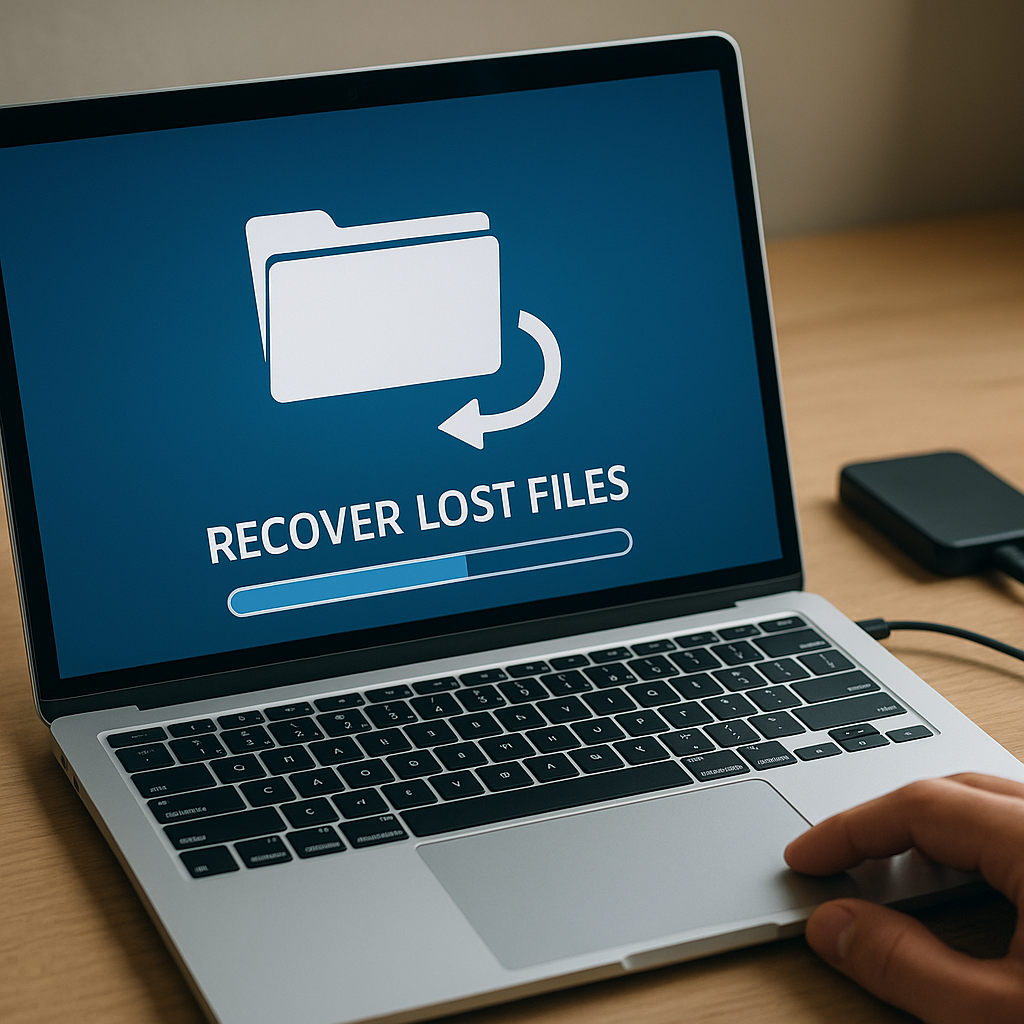
When basic troubleshooting fails to make your drive visible, specialized recovery software can scan the device at a low level, locate lost files, and often reconstruct damaged partitions. Below are key steps and recommended features to look for in a recovery solution.
Key Features of Effective Recovery Tools
- Deep Scan: This mode performs a thorough sector-by-sector analysis, increasing the chance of locating fragmented or partially overwritten files.
- Partition Recovery: Automatically identifies and rebuilds deleted or corrupted partitions, restoring the original drive structure.
- Preview Function: Allows you to verify the integrity of recoverable files (images, documents, videos) before committing to restoration.
- Smart Filtering: Filters and categorizes files by type, date, size, or extension, simplifying the recovery process.
- RAW File Recovery: Crucial when the drive appears as RAW; this feature reconstructs files based on signature patterns, even without a recognized file system.
Step-by-Step Recovery Process
Follow these general steps to maximize your chances of successful recovery:
- Download and install a reputable recovery program, such as Recuva, EaseUS Data Recovery Wizard, or Stellar Data Recovery.
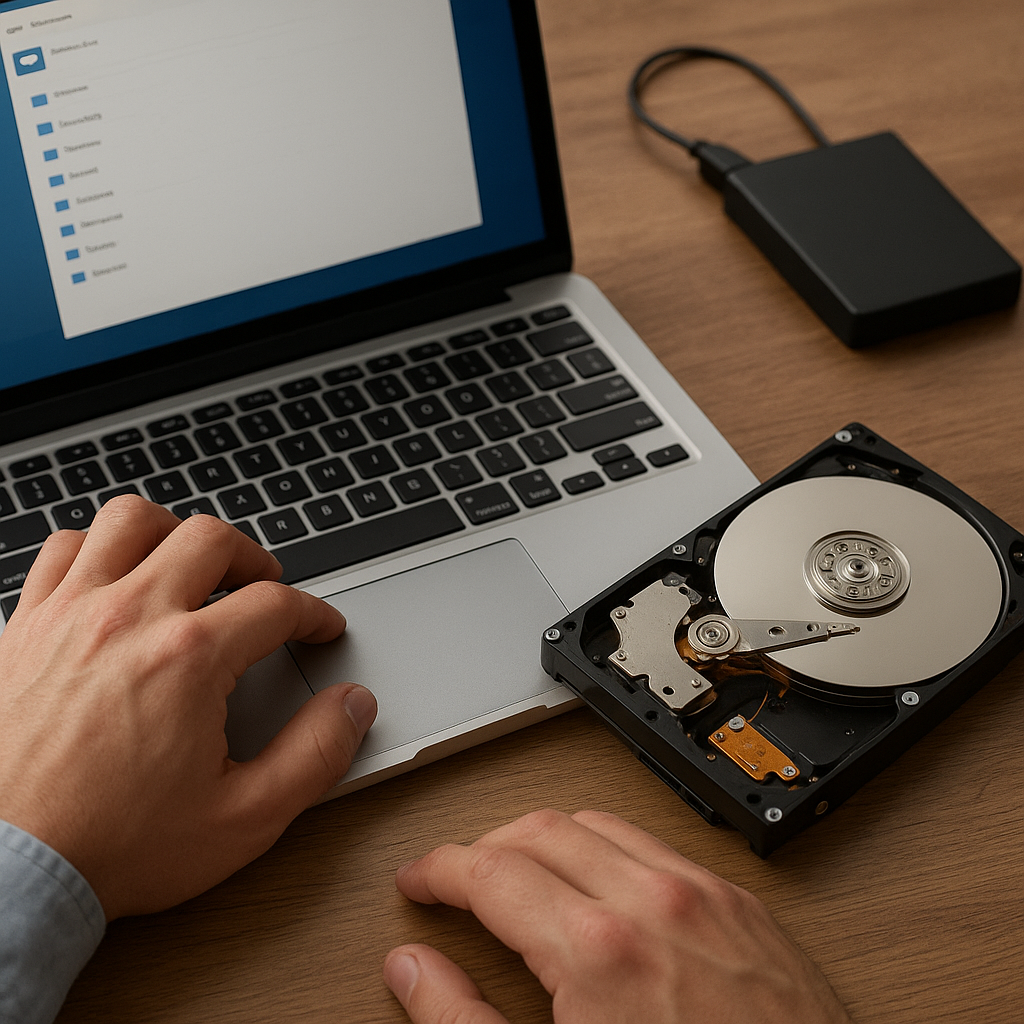
- Connect the external drive and ensure the software recognizes it, even if the OS does not. These tools often list unallocated or RAW volumes.
- Select the target drive and initiate a quick scan. If files aren’t found, proceed with a deep or full scan.
- Review the scan results. Use the preview feature to mark desired files for recovery. Look for key folders, last modified dates, or specific filenames.
- Choose a safe recovery destination: Ideally, save recovered files to a different physical drive to avoid overwriting remaining data on the affected device.
- After recovery, consider running a surface test or sector check to assess and isolate any persistent bad sectors.
Additional Techniques for Drive Restoration
If recovery software alone does not resolve the invisibility issue, consider these supplementary approaches to revive your external hard drive and access your files.
Disk Management and CLI Tools
- Windows Disk Management: Press Win+X, select Disk Management, and look for your drive. If detected but without a drive letter, right-click and assign a new one. Initializing or formatting is also an option if no data recovery is needed.
- DiskPart Utility: Launch Command Prompt as administrator, type diskpart, then list disk. Identify the external drive’s number and use select disk [#] followed by attributes disk clear readonly or assign letter=X.
- Linux Live Environment: Boot from a Linux USB (e.g., Ubuntu). Linux often recognizes drives Windows cannot. Mount the drive manually and copy files to another medium.
Firmware and PCB Replacement
- Faulty PCB (Printed Circuit Board): If your drive’s logic board has failed, replacing it with an identical model can sometimes restore functionality. Ensure firmware matches exactly.
- Freeze or Warm-Bag Trick: As a last resort, placing the drive in a sealed bag in the freezer for a short time can temporarily shrink components, allowing brief access. Proceed with caution—this holds only for mechanical failures.
Professional Data Recovery Services
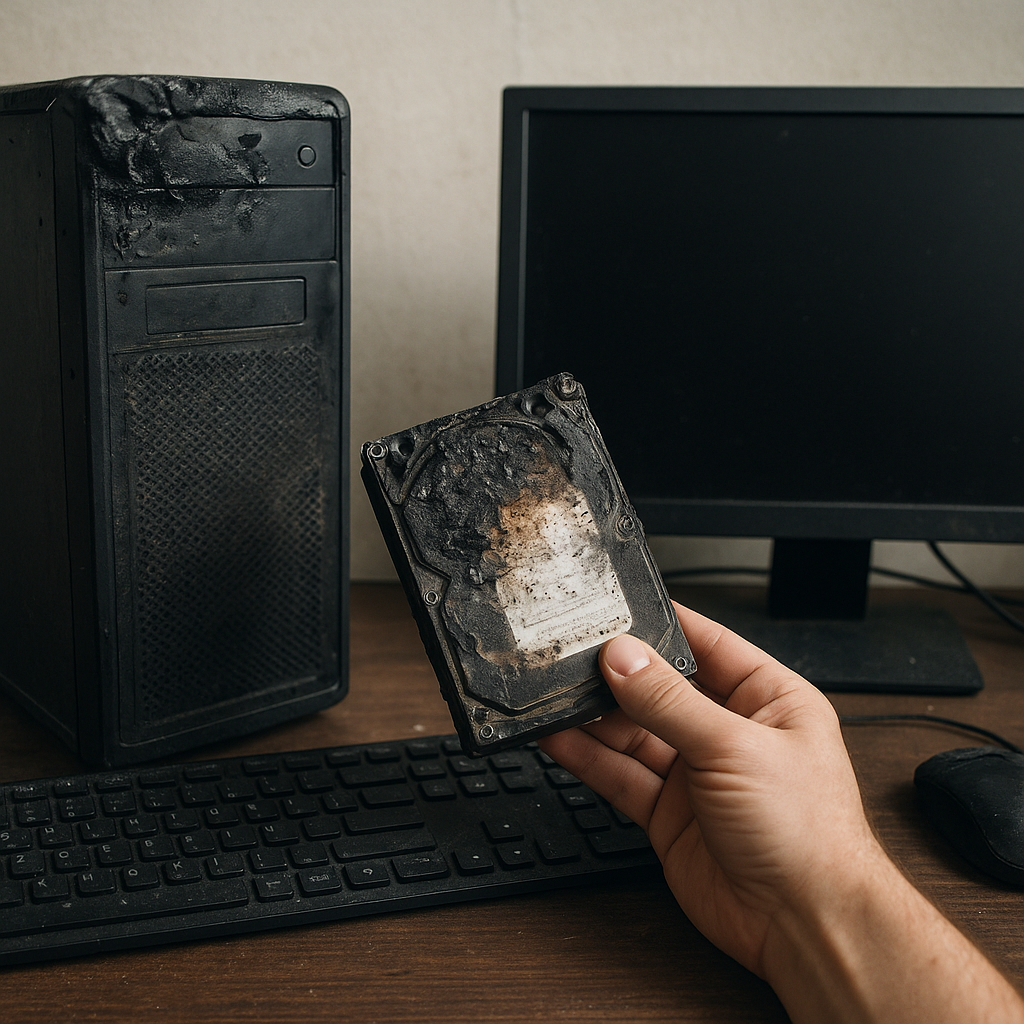
When you face severe physical damage—grinding noises, detection by lockers but not mounting—or if intellectual property is at stake, a professional lab may succeed where DIY methods fail. Labs use specialized equipment (clean rooms, platter swaps, head replacements) to handle complex recovery scenarios.
Preventive Measures and Best Practices
Once you’ve successfully recovered your files, it’s crucial to implement a robust plan to prevent similar issues. Taking proactive steps ensures data integrity and reduces downtime during future incidents.
- Regular Backups: Adopt the 3-2-1 strategy—store three copies of your data on two different media, with one off-site copy. Cloud storage combined with local backups offers multilayered protection.
- Drive Health Monitoring: Use tools like CrystalDiskInfo or SMART monitoring to track drive temperature, reallocated sector counts, and runtime hours. Early warnings allow for timely replacements.
- Safe Ejection: Always use the “Safely Remove Hardware” feature to prevent file system corruption. Abrupt disconnections can lead to lost write operations and partition errors.
- Surge Protection: Power surges can fry USB controllers and electronics. Protect both your computer and external drives with a surge protector or uninterruptible power supply (UPS).
- Encryption and Secure Erase: If you carry sensitive data, encrypt your drive with tools like BitLocker or VeraCrypt. When decommissioning, perform a secure erase or physical destruction to safeguard confidentiality.
By understanding these underlying issues, deploying effective recovery software, and adhering to preventive best practices, you can regain access to an external hard drive that initially refuses to appear. Equipped with this knowledge, you’re prepared not only to resolve drive invisibility but to fortify your data against future threats.