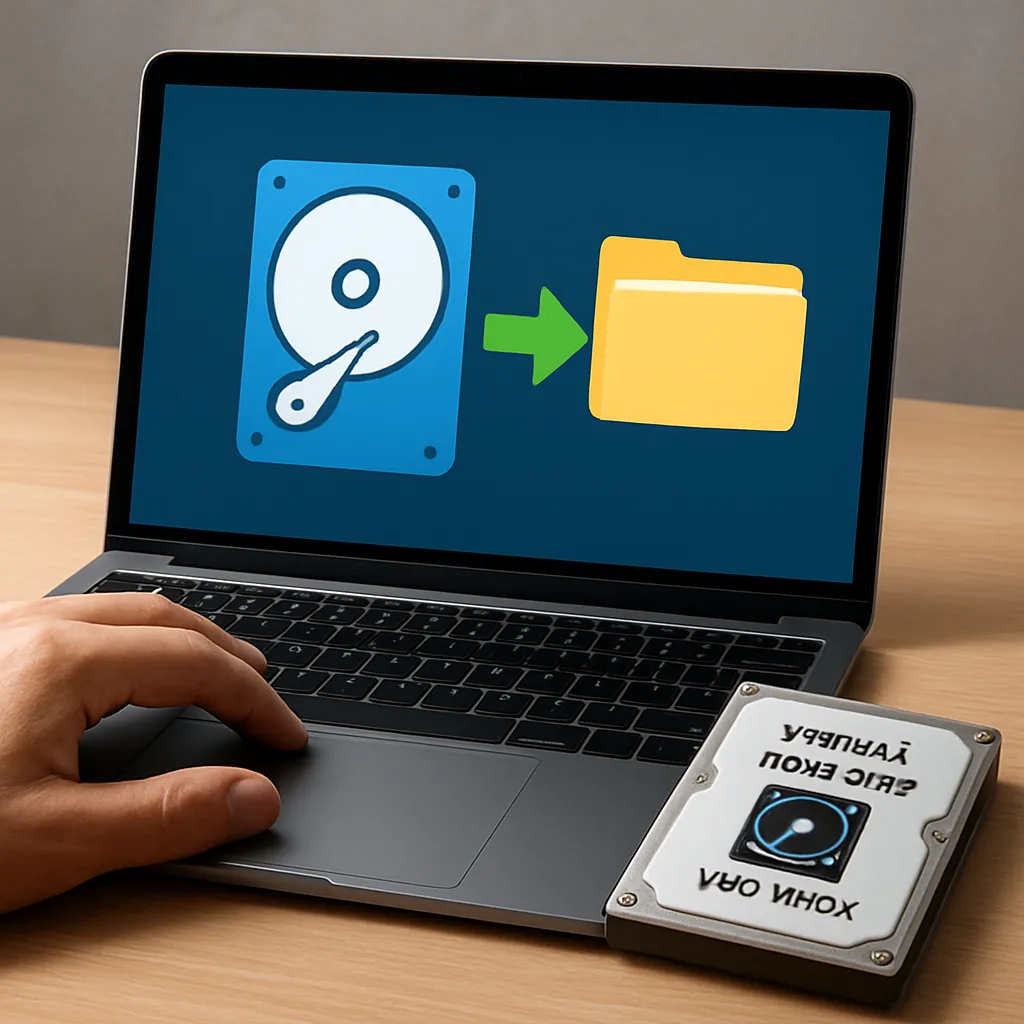
Factory resets can lead to the sudden disappearance of important photos, messages, contacts, and documents. Recovering data after a factory reset requires a combination of patience, the right tools, and a clear strategy. This guide explores the essential steps and techniques to help you retrieve lost information from devices that have undergone a complete system wipe.
Understanding Data Loss After a Factory Reset
When a device undergoes a factory reset, the operating system typically marks user data blocks as available without necessarily overwriting them immediately. This behavior offers a brief window during which recovery software can scan for remnants of deleted files. However, the success of such efforts depends on several factors:
- Overwrite Risk: Continuing to use a device after a reset increases the chance that new data will overwrite traces of old files.
- Storage Type: Flash memory with built-in garbage collection (TRIM) aggressively cleans up deleted file blocks, reducing the opportunity for recovery.
- File System: NTFS, FAT32, exFAT, ext4 and other systems handle delete operations differently, affecting the likelihood of successful retrieval.
How a Factory Reset Works
A factory reset restores system settings and erases user data to return a device to its original configuration. On smartphones, it wipes apps, caches, and user accounts. On computers, it often reinstalls the operating system. In both cases, data removal may be logical (file table entries removed) rather than physical, enabling specialized scan routines to locate file fragments.
Factors Affecting Recovery Success
- Time elapsed since the reset. Sooner attempts yield better results.
- Amount of new data written to the device. Minimal use preserves recoverable clusters.
- Presence of encryption. Encrypted volumes complicate or prevent recovery without keys.
Initial Preparation Steps
Before diving into advanced methods, take these preparatory measures to maximize your chances of successful data retrieval:
Stop Using the Device
Power down or disable network connections to avoid unwanted updates, downloads, or installations that could overwrite deleted files.
Create a Disk Image
Working directly on the device can lead to accidental damage or overwrites. Use a disk imaging utility to produce a sector-by-sector clone of the storage media. This image serves as a static snapshot for safe experimentation.
- Tools like ddrescue, FTK Imager, or specialized GUI utilities can help.
- Store the image on a separate drive with sufficient free space.
Choose the Right Recovery Environment
Select a stable operating system or bootable rescue disk that supports your chosen recovery software. Linux Live CDs, Windows PE environments, or dedicated recovery distributions offer reliable platforms without altering the target drive.
Advanced Recovery Techniques
Once you have a proper backup image and a maintained environment, proceed with the following strategies to retrieve lost data:
Deep Scan vs. Quick Scan
A quick scan searches for file entries still present in the file system table, often recovering recently deleted items in seconds. A deep scan goes further by examining raw data patterns to reconstruct file headers and content fragments. Although slower, deep scans can restore files even when file tables are fully wiped.
- Quick Scan: Ideal for lightweight recovery and minimal corruption scenarios.
- Deep Scan: Recommended when filenames and directories no longer appear in the file system.
File Signature Analysis
Many recovery tools rely on signature or header detection to identify common file types—JPEG, PNG, MP3, DOCX, PDF, and more. This method reconstructs files based on known binary patterns. Keep in mind that recovered filenames may be generic, necessitating manual renaming and sorting.
Partition and Volume Reconstructions
If the reset affected partition metadata, you may need to:
- Scan for lost or hidden partitions using utilities like TestDisk.
- Rebuild partition tables while preserving raw data blocks.
Successful partition recovery restores directory structures, speeding up file recovery and preserving metadata like timestamps.
Special Cases: SSDs and TRIM
Solid-state drives with TRIM enabled immediately purge data upon deletion, rendering most recovery methods ineffective. For SSDs:
- Act quickly and power down the drive.
- Consult manufacturer utilities that may offer low-level data preservation modes.
- Consider professional lab services if the data is critical.
Using Professional Recovery Software
Several commercial and open-source solutions cater to a variety of platforms and file systems. Key features to look for include:
- RAW Recovery for fragmented or severely damaged data.
- Preview functions to verify file integrity before restoring.
- Selective restoration to avoid bulk copying of unwanted items.
- Support for mobile devices, memory cards, and external storage media.
Top Software Options
- Recuva: User-friendly interface ideal for Windows beginners.
- PhotoRec: Cross-platform, powerful signature-based recovery.
- EaseUS Data Recovery Wizard: Robust scanning and preview capabilities.
- Stellar Data Recovery: Comprehensive tool with built-in imaging functions.
- Disk Drill: Modern design, supports multiple file systems.
Step-by-Step Recovery Workflow
- Install the software on a separate drive.
- Load the disk image or target volume within the application.
- Select appropriate scan mode (quick vs. deep).
- Filter results by file type or date to streamline the list.
- Preview recoverable items to confirm content quality.
- Export files to a different storage location, not the original device.
Best Practices and Prevention
Recovery is often a reactive measure. To minimize future data loss, adopt proactive strategies centered on backup and data management:
Regular Automated Backups
- Configure cloud synchronization for critical documents and media.
- Use incremental backup solutions to save time and storage space.
- Maintain at least two backup copies on separate physical media.
Version Control and Continuous Protection
Implement versioning systems on important projects. This approach stores multiple iterations of files, enabling you to roll back to previous versions without complex recovery procedures.
Security and Encryption
While encryption protects sensitive information, always keep secure copies of keys or passwords. Losing these credentials can make recovery impossible if a device resets or malfunctions.
Education and Maintenance
- Train users on safe device handling and the risks of factory resets.
- Regularly validate backups to ensure data integrity.
- Audit storage media health and replace aging drives before failures occur.
Empowering yourself with the right knowledge and reliable recovery software dramatically increases your odds of retrieving lost data after a factory reset. By combining prompt action, proper tools, and preventive measures, you can safeguard your digital memories and critical information against unexpected system wipes.