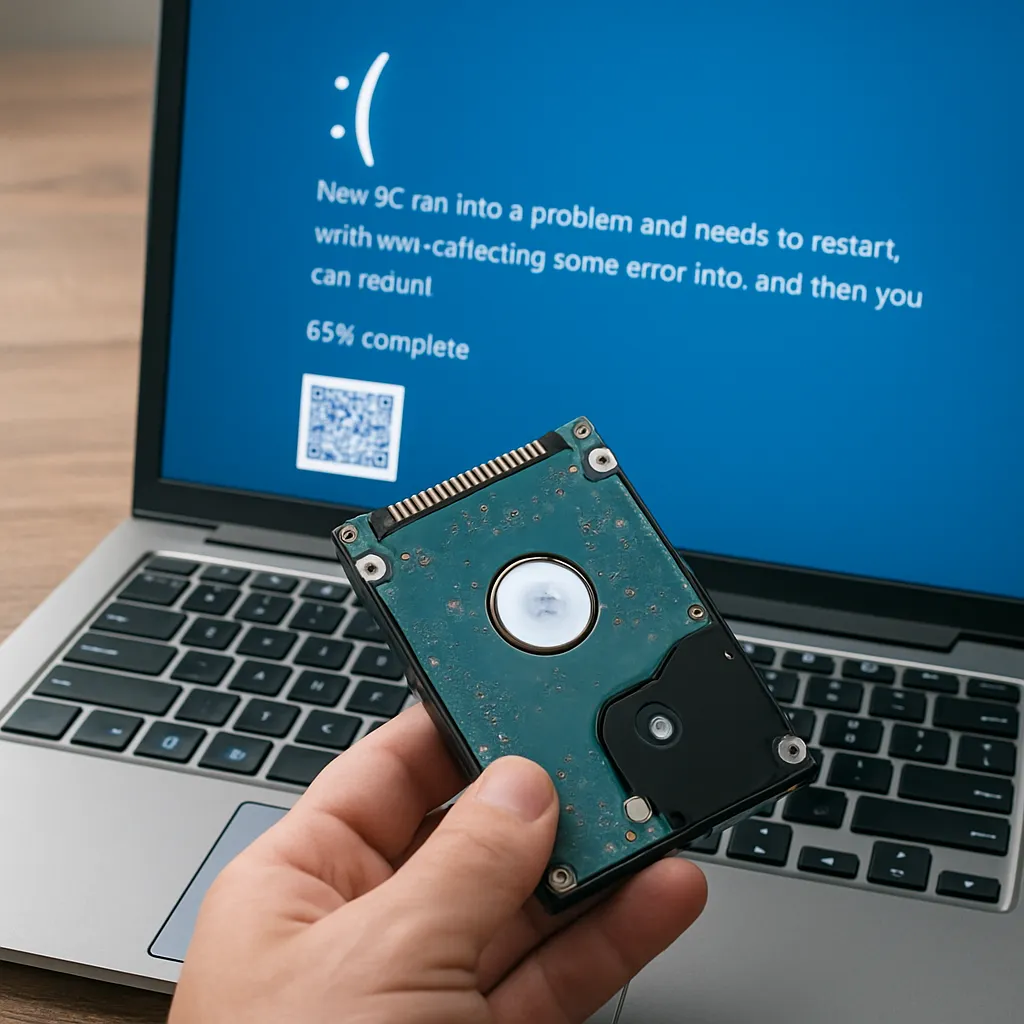
An unexpected halt during a system update can leave you scrambling for solutions to prevent permanent data loss. Whether the installation process was interrupted or some files failed to install correctly, the result often involves missing or corrupted documents and media. This guide will walk you through a structured methodology to regain access to your vital information and restore your system to a stable state. By following these steps, you can minimize downtime and shield your environment from future mishaps.
Understanding Unsuccessful Updates
Software updates are designed to patch vulnerabilities, add new features, and improve overall performance. However, when an update fails, it can introduce critical faults into system files or overwrite key user documents. It’s crucial to identify the underlying cause of the failure before attempting any recovery actions. Check system logs for error codes, review disk health metrics, and note any strange behavior like repeated crashes or read/write errors. Pinpointing the failure mode helps you choose the most effective restoration strategy.
Corrupted update packages or unstable network connections often trigger incomplete installations. In some cases, malware may interfere with the update process or replace legitimate components with malicious files. Recognizing signs of corruption—such as disappearing data blocks, incorrect timestamps, or checksum mismatches—provides insight into whether the update itself is faulty or if another factor is to blame. This knowledge ensures you don’t waste time on fruitless recovery attempts.
Assessing system integrity should be your first line of defense. Use built-in tools like the Windows System File Checker (sfc) or macOS’s Disk Utility to verify and repair core OS files. Even if this doesn’t restore your personal files, it can prevent further damage during the restoration process. Document any errors these utilities report so you have a clear picture of which components require deeper investigation.
Essential Tools and Preparations
Before diving into file recovery, gather the right resources. A reliable PC or laptop with enough free space, a USB drive or external HDD, and access to the internet are fundamental. Having a functioning system to run diagnostic software ensures you can create rescue media and perform offline scans if needed. Always disconnect any external drives that aren’t part of the recovery process to avoid accidental overwrites.
Install a reputable data recovery utility that supports raw scanning and deep file extraction. Look for features such as partition rebuilding, deleted file preview, and unlimited data retrieval. Many commercial solutions offer free trial versions that allow you to verify the presence of recoverable files before committing to a purchase. Confirm compatibility with your file system—NTFS, FAT32, APFS, or ext4—so you can avoid format conflicts.
- backup software for creating disk images
- software that supports multiple file systems
- diagnostics tools for monitoring drive health
- write-protected rescue media or live USB environment
Finally, ensure you have a secure location—either cloud storage or an unused partition—where recovered files can be saved. Writing recovered data back to the same volume riskily overwrites sectors that still hold traces of your lost documents. A dedicated destination drive preserves the original state of the damaged disk for further attempts if needed.
Executing the File Recovery Process
Begin by creating a sector-by-sector backup of the affected disk. Imaging tools like dd (on Linux) or specialized cloning utilities can produce a faithful duplicate, which safeguards against errors during recovery. Always work from the clone rather than the live volume to maintain data integrity throughout the procedure.
Step 1: Surface Scan
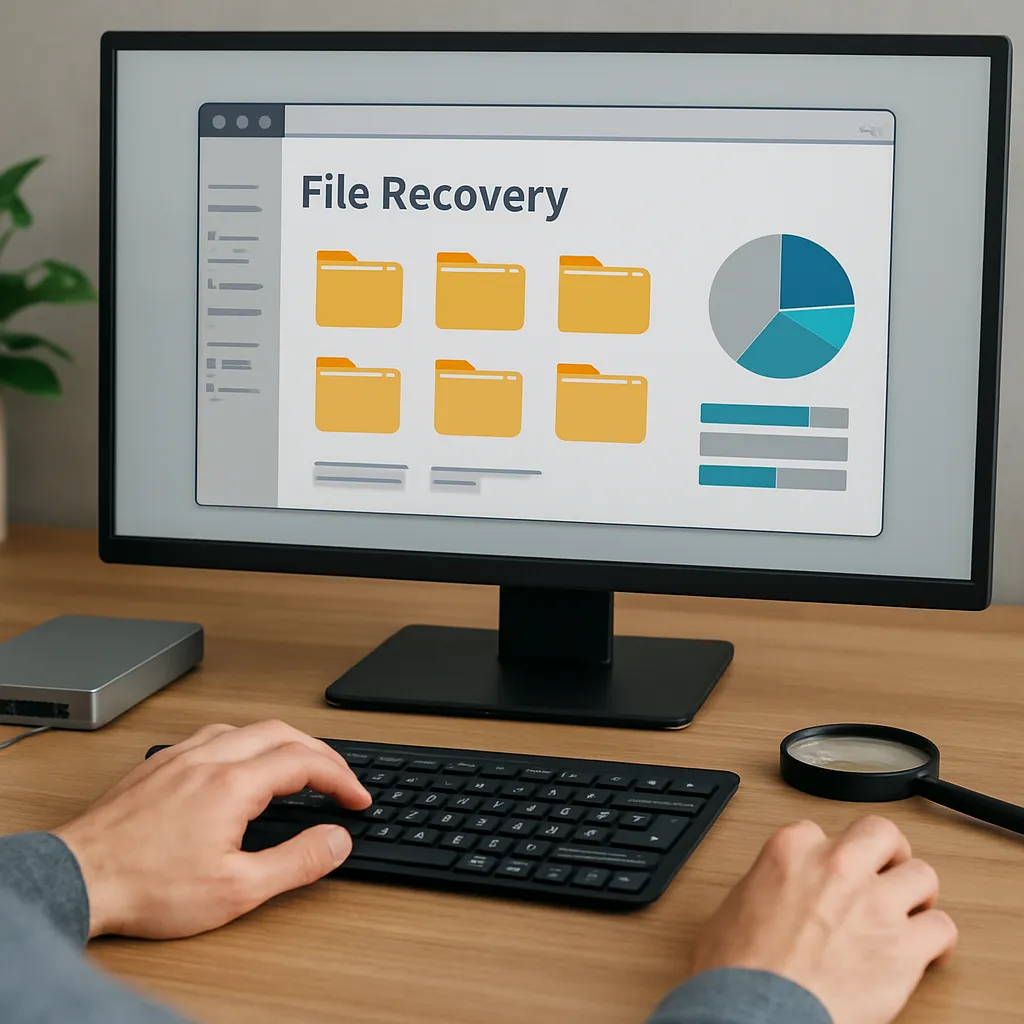
Load your recovery application and perform a deep surface scan. This thorough process examines each sector, looking for file signatures and residual fragments. Depending on the disk size, this may take several hours. Monitor the progress and review the preliminary results, checking for recognizable filenames and folder structures that indicate successful detection.
Step 2: File Preview and Selection
Once the scan completes, leverage the preview feature to confirm file readability. Prioritize documents, photos, or database files that are critical to daily operations. Mark these items for extraction and designate a recovery path on your external media. Avoid overloading a single destination; spread files across multiple drives if necessary to prevent a single point of failure.
Step 3: Restoration and Verification
Execute the restoration routine, allowing the utility to reconstruct file headers and allocate new sectors. Upon completion, cross-check file sizes, open a sample selection, and verify content accuracy. Look out for anomalies like truncated documents or garbled photos; such issues may warrant a second scan with different settings or an alternative recovery tool.
If certain files fail to open, consider running CHKDSK (Windows) or fsck (Linux/macOS) on the recovered volume. These native utilities can fix minor file system errors that inhibit file access. However, avoid applying these fixes to the original disk until you’re confident all recoverable data has been safely extracted.
Preventing Future Data Loss
After you’ve successfully retrieved your files, implement a robust protection plan. Regularly scheduled backup routines stored in off-site locations mitigate the impact of future update failures. Automated cloud sync solutions provide continuous protection without manual intervention, ensuring changes are captured as they occur.
Maintain a controlled update strategy: test new releases in a sandbox or virtual machine environment before rolling them out to production systems. This approach allows you to catch compatibility issues or faulty packages before they affect critical data. Keep your recovery toolkit updated and retain at least one version of the system image that is known to boot correctly.
Establish monitoring for drive health and reliability metrics using SMART reporting or third-party tools. Early detection of degrading sectors or abnormal temperature spikes signals the need for hardware maintenance or replacement, preventing spontaneous failures during system updates.