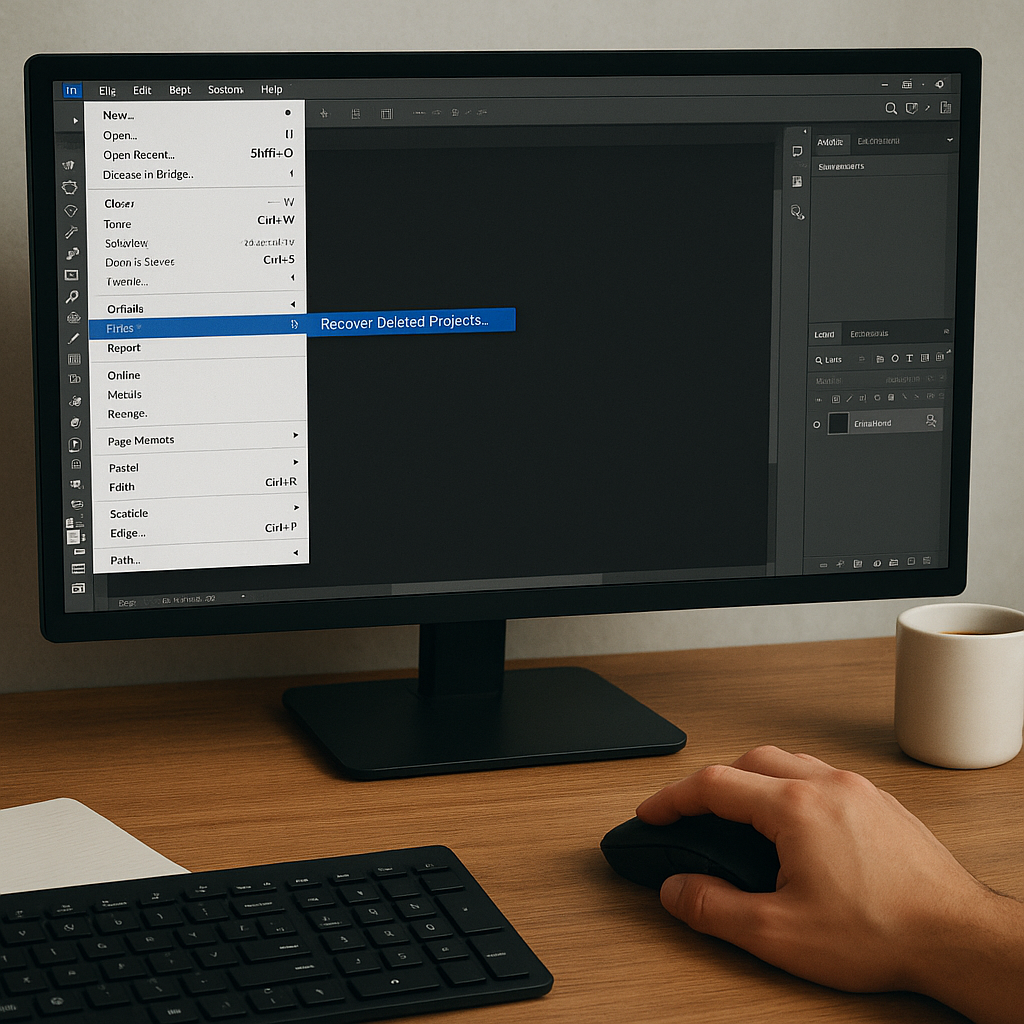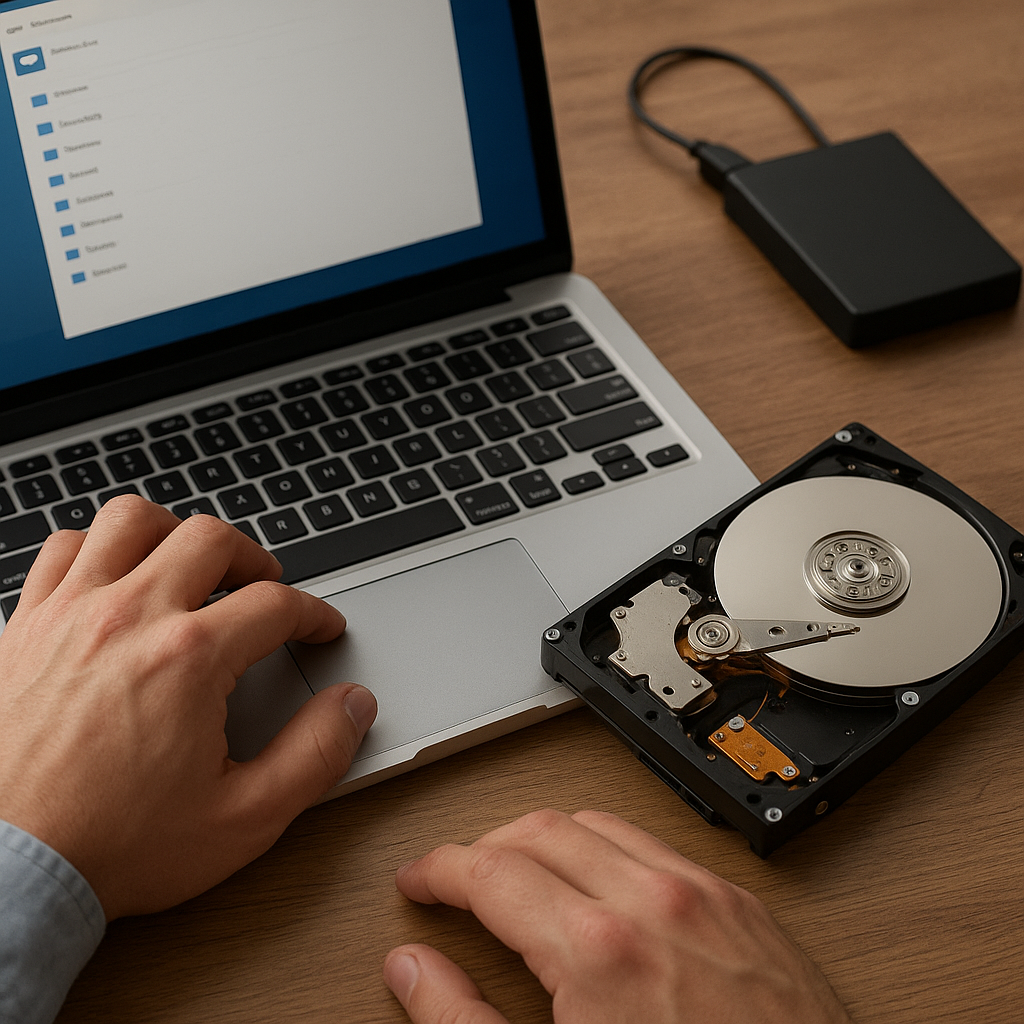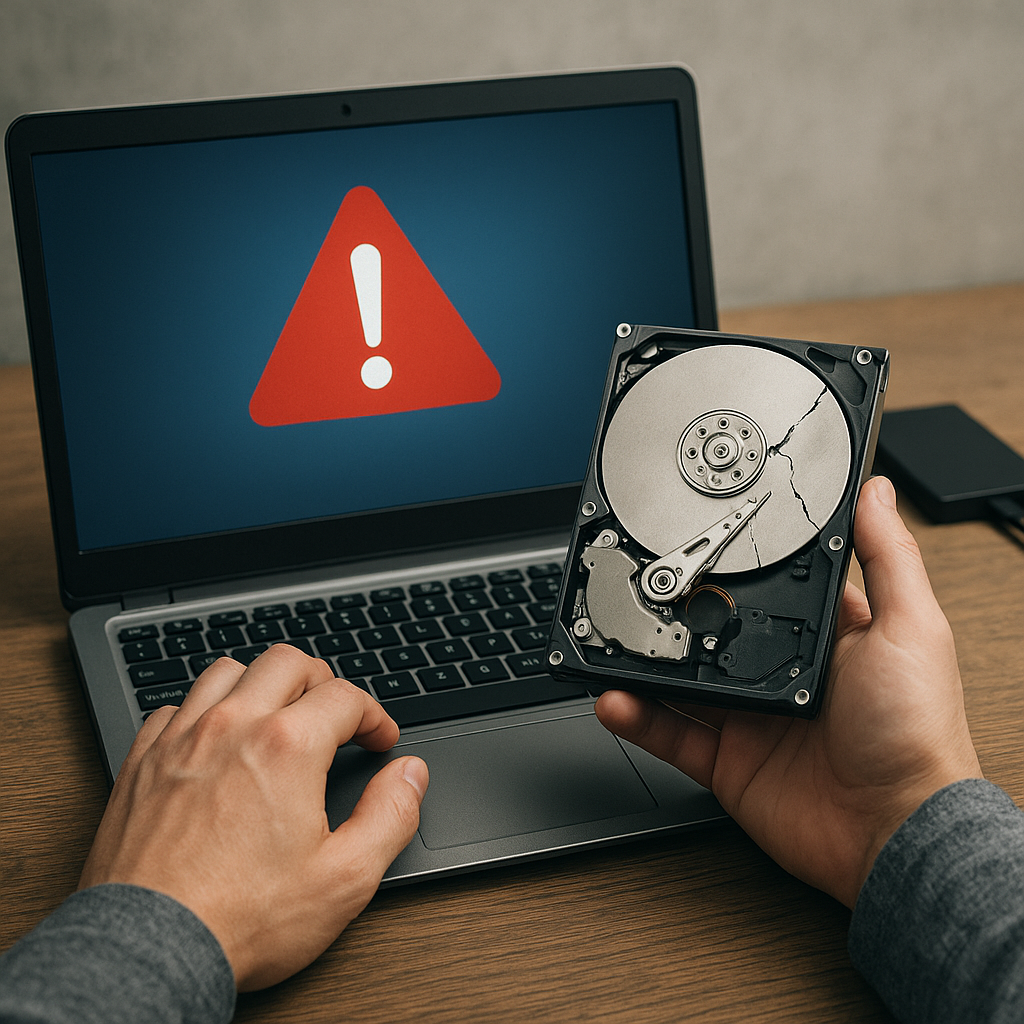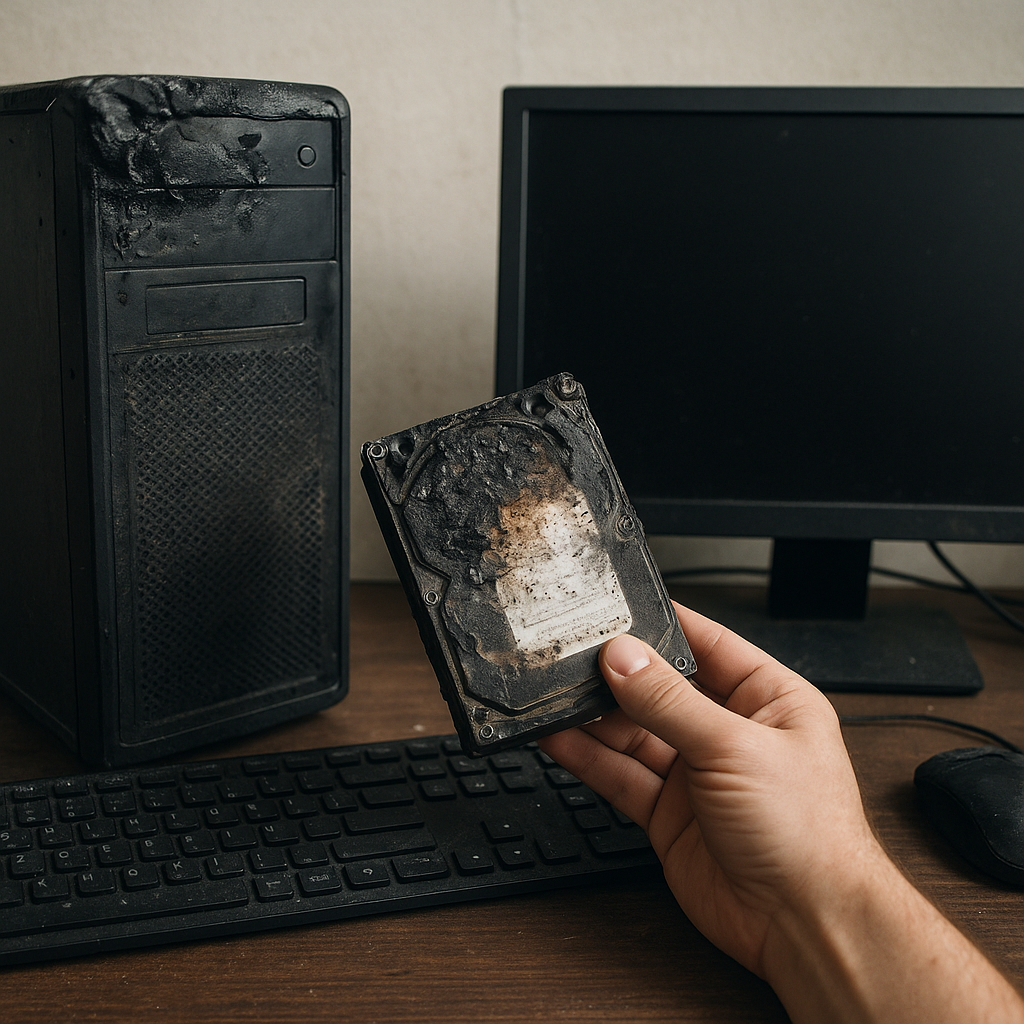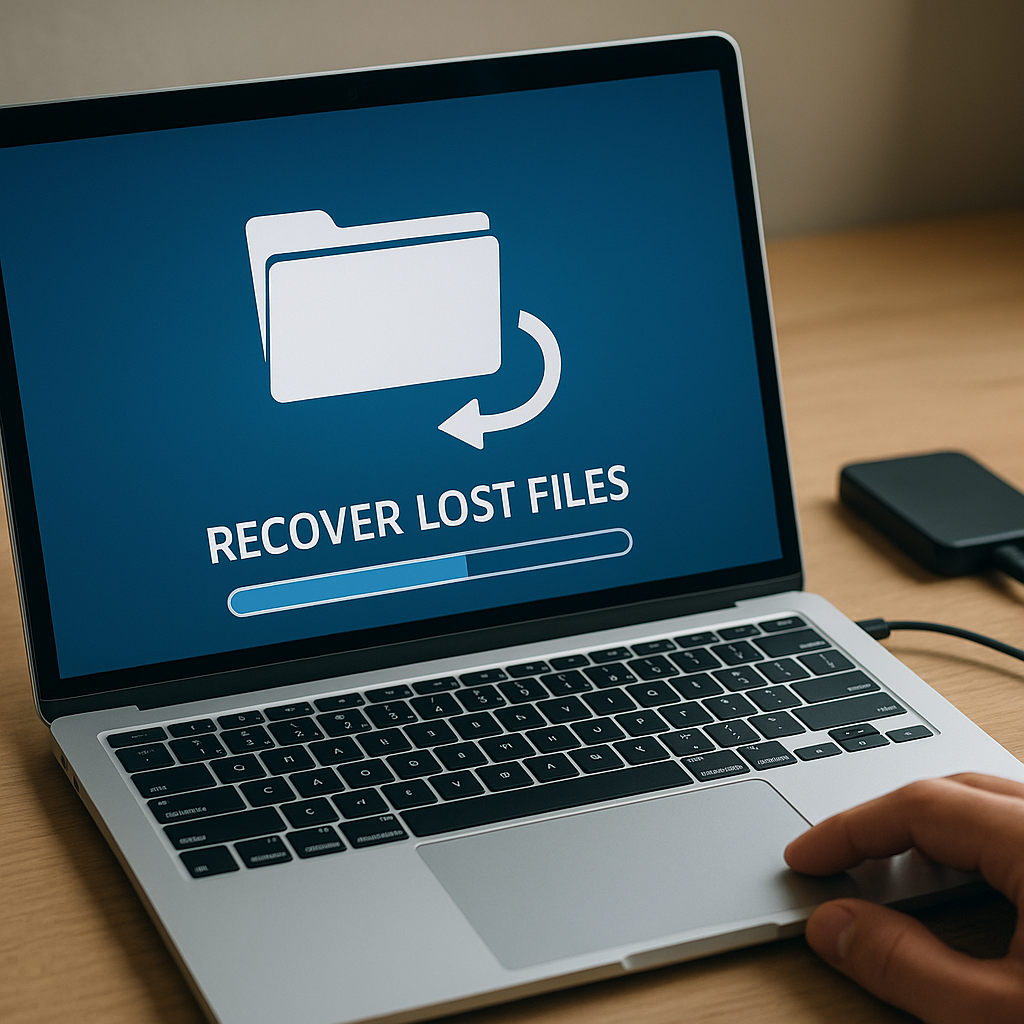
Accidentally deleting critical system files can trigger a cascade of malfunctions, from an unbootable operating environment to unexpected crashes. Whether you’re a seasoned IT professional or a casual user, understanding the methods and tools available for recovery can save you hours of frustration and potentially prevent data disaster. This article dives into key topics surrounding system file loss, effective recovery software choices, and proactive steps to protect your environment.
Understanding System File Importance
In any modern computing platform, system files form the backbone of functionality. These files include dynamic link libraries (.dll files on Windows), configuration files, kernel modules on Linux, and critical drivers. When impacted, the operating system may fail to initialize hardware components or refuse to boot altogether.
System files are tightly interwoven with the OS kernel. Even a single missing or corrupted file can compromise the entire installation. Examining why these files matter requires a look at common categories:
- Boot files: Responsible for launching the OS.
- Driver files: Provide hardware communication.
- Library files: Contain shared code used by multiple applications.
- Configuration files: Store critical system parameters.
Without these components, you face errors such as “Operating System Not Found,” the infamous Blue Screen of Death, or continuous reboot loops. Recognizing the gravity of missing system files is the first step toward swift recovery.
Common Causes of Accidental Deletion
Before diving into recovery solutions, it’s essential to explore why system files go missing. Tracing the root cause helps you apply more targeted fixes and avoid repetition of the mishap.
- Human error during manual cleaning: Deleting files in C:WindowsSystem32 without understanding its significance.
- Third-party uninstallers: Some utilities remove shared libraries they mistakenly deem unnecessary.
- Malware activity: Ransomware or viruses targeting system integrity.
- Corrupt updates: Failed patches that overwrite or remove files unexpectedly.
- Faulty backup restoration: Restoring an incomplete backup set and omitting key files.
Each scenario calls for different investigative and corrective actions. Being aware of the cause helps in choosing the right software or manual approach for repair.
Selecting Effective Recovery Software
With dozens of tools on the market, picking the most suitable product can be overwhelming. Key factors to evaluate include:
- File system compatibility (NTFS, FAT32, ext4, APFS).
- User interface—graphical or command-line.
- Support for deep and quick scans.
- Ability to restore system partitions or clone drives.
- Verification features like checksum validation to ensure file integrity.
Look for utilities offering a bootable environment—such as a Live USB—so you can recover files without booting into the corrupted OS. Renowned products often feature:
- Disk imaging modules to avoid working on live volumes.
- Advanced filtering by file type, date, and size.
- Error simulation preview before committing to a full recovery.
Testing a free trial version can help you assess performance and compatibility. Prioritize solutions that guarantee read-only scanning of the affected disk to prevent further damage.
Step-by-Step Recovery Process
Following a structured approach maximizes success rates when retrieving deleted system components.
1. Prepare a Recovery Environment
- Create a bootable USB or CD with your chosen recovery suite.
- Disconnect all external drives except the target volume.
- Ensure you have at least the same amount of free space on another disk for holding recovered data.
2. Perform a Read-Only Scan
Initiate a deep scan to locate remnants of deleted files. Deep scans reconstruct file fragments by analyzing file signatures. A quick scan often misses system-level artifacts buried beyond file tables.
3. Preview and Verify
Most advanced tools allow previewing recoverable items. Verify file checksums or digital signatures if available to confirm authenticity. Prioritize restoring critical boot and driver files first.
4. Recover to a Separate Volume
Never restore files back to the damaged partition. Instead, choose a separate internal or external volume to avoid overwriting residual fragments. After all critical files are recovered, you can manually relocate them or use system repair commands.
5. Reintegrate and Test
- Copy recovered files back to their original directory structure.
- Run utilities such as sfc (System File Checker) on Windows or fsck on Linux to verify system consistency.
- Reboot the machine and monitor for errors.
This methodical process reduces the chance of incomplete restoration or fresh corruption.
Preventive Measures and Best Practices
While understanding recovery is essential, prevention remains the best strategy to protect vital system assets.
- Implement a robust backup policy with daily or weekly snapshots. Use automated tools that version system states.
- Create a dedicated recovery partition or a USB rescue stick.
- Use application whitelisting to block unauthorized deletion of critical files.
- Regularly update antivirus and anti-malware solutions to guard against file-targeting threats.
- Educate end users about the dangers of modifying files in system directories.
By combining proactive safeguards with powerful recovery software, you can minimize downtime and maintain the continuous availability of your computing environment.