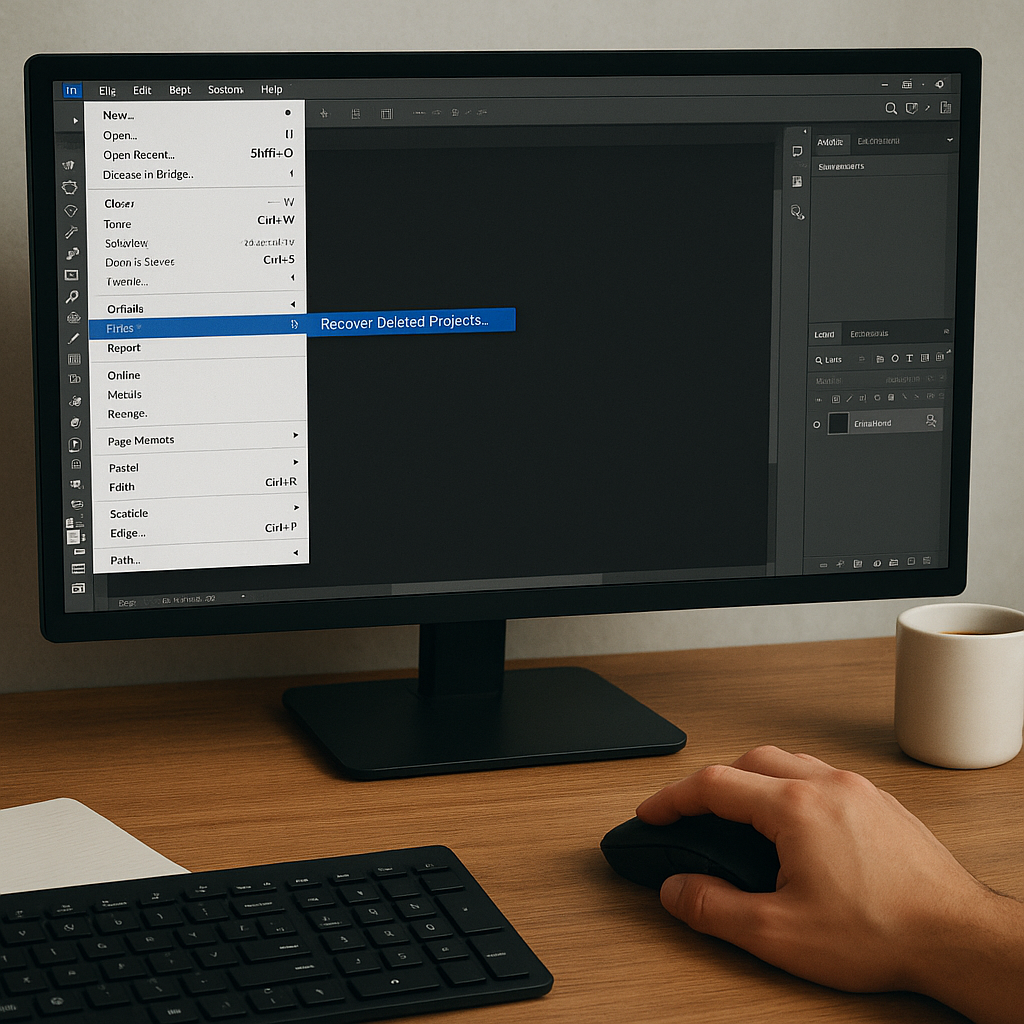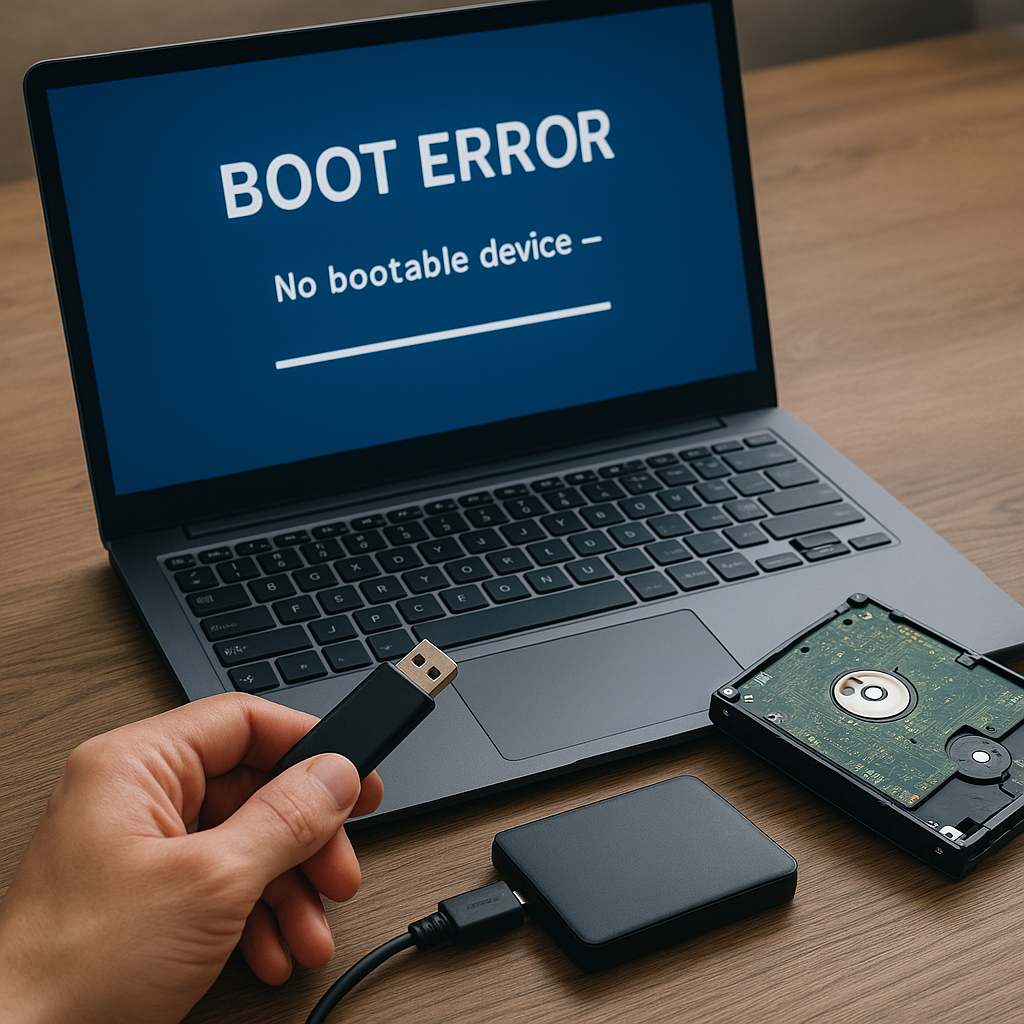
Recovering important data from a malfunctioning USB drive often feels like navigating a digital maze without a map. When your USB stick refuses to boot, critical files can appear **lost forever**, but specialized recovery solutions can restore access to valuable documents, photos, and videos. This guide explores common failure causes, recommends features to look for in trustworthy tools, and walks through a detailed process to recover files safely.
Understanding USB Drive Malfunctions
USB drives rely on a combination of flash memory hardware and a small firmware-managed controller. Failures can occur at multiple layers, leading to an unrecognized or unbootable device. Identifying the root cause is essential for choosing the right recovery strategy.
Common Causes of Failure
- Physical damage to the flash memory or connector pins.
- File system corruption due to improper ejection or power loss.
- Partition table errors or missing partition entries.
- Damaged boot sector preventing access to stored data.
- Firmware glitches in the USB controller chip.
- Virus or malware infection targeting the device’s file system.
Signs of an Unbootable Drive
When you insert the USB drive, you might see:
- No drive letter assigned in the operating system.
- Error messages like “Disk not formatted” or “Drive not accessible.”
- Repeated prompts to format the device before use.
- Slow or intermittent read/write operations.
Selecting Appropriate Recovery Software
Not all data recovery tools are created equal. To maximize your chances of retrieving lost files, focus on applications offering robust scanning algorithms, flexible export options, and a safe, non-destructive approach.
- deep scan functionality for locating fragmented or hidden files.
- Support for sector-by-sector analysis of the storage medium.
- Capability to create a disk image or clone via imaging.
- read-only mode to prevent accidental writes to the damaged USB.
- preview feature to verify file integrity before recovery.
- Compatibility with multiple file systems (FAT32, exFAT, NTFS, ext, HFS+).
- raw recovery options for severely corrupted partitions.
- Portable or bootable versions to handle drives that won’t mount.
- Intuitive interface with progress indicators and detailed logs.
- Ability to resume interrupted recovery sessions.
Step-by-Step Guide to Recover Files
Follow these stages carefully to avoid further damage and increase the likelihood of successful recovery.
1. Create a Sector-by-Sector Image
Before attempting any direct operations on the failing USB drive, produce a complete image to work on:
- Launch your recovery software in read-only mode.
- Select the damaged USB as the source and choose “Create Image” or “Clone Drive.”
- Ensure the output is saved to a stable internal disk with sufficient space.
- Verify the image’s hash or checksum if the software provides one.
Working from an image protects the original drive and prevents accidental overwrites.
2. Run a Deep Scan on the Image
With the cloned file, initiate a comprehensive scan:
- Opt for a “Deep” or “Advanced” scan mode to examine all sectors.
- Allow the process to complete uninterrupted; this may take hours depending on size.
- Monitor for discovered file structures, such as JPEG headers, Office document signatures, or video containers.
- Use filtering options to focus on critical file types first.
3. Preview and Select Files for Recovery
As the scan uncovers recoverable items, preview features help you:
- Confirm file readability—images should display correctly, text should be legible.
- Identify duplicates and outdated versions.
- Mark only the files you really need to minimize transfer times.
4. Export Recovered Data
Once you’ve selected your files:
- Choose a stable destination—never the source USB drive.
- Organize recovered items in folders matching original structure if possible.
- Verify the total size and count of exported files against expectations.
- Run quick checks on random samples to ensure integrity.
Upon completion, store backups on multiple media to safeguard against future failures.
Advanced Techniques for Stubborn Cases
If standard recovery fails, consider these methods:
Firmware Repair Utilities
Some manufacturers provide tools to reflash USB controller firmware. Successful reflashing can restore normal operation if only the microcode is corrupted.
Command-Line Data Salvage
Linux-based utilities like ddrescue can attempt repeated reads of bad sectors:
- Employ ddrescue to gather all readable blocks and map out unreadable zones.
- Combine this with a subsequent raw recovery scan on the rescued sectors.
Professional Data Recovery Services
When DIY approaches fall short, specialized labs offer:
- Chip-off recovery, extracting memory chips directly.
- Controller board replacements for discontinued USB models.
- Cleanroom environments to mitigate contamination risk.
These services carry higher costs but can yield results from physically damaged media.
Preventive Measures and Best Practices
Avoid future data loss by:
- Maintaining regular backups through automated cloud syncing or scheduled imaging.
- Always using the operating system’s “Safely Remove Hardware” feature.
- Monitoring drive health with S.M.A.R.T. or equivalent tools when supported.
- Keeping firmware and antivirus software up to date to prevent corruption.
- Labeling and organizing multiple USB drives to avoid accidental overwrites.
- Encrypting sensitive data to maintain confidentiality even if the device fails.