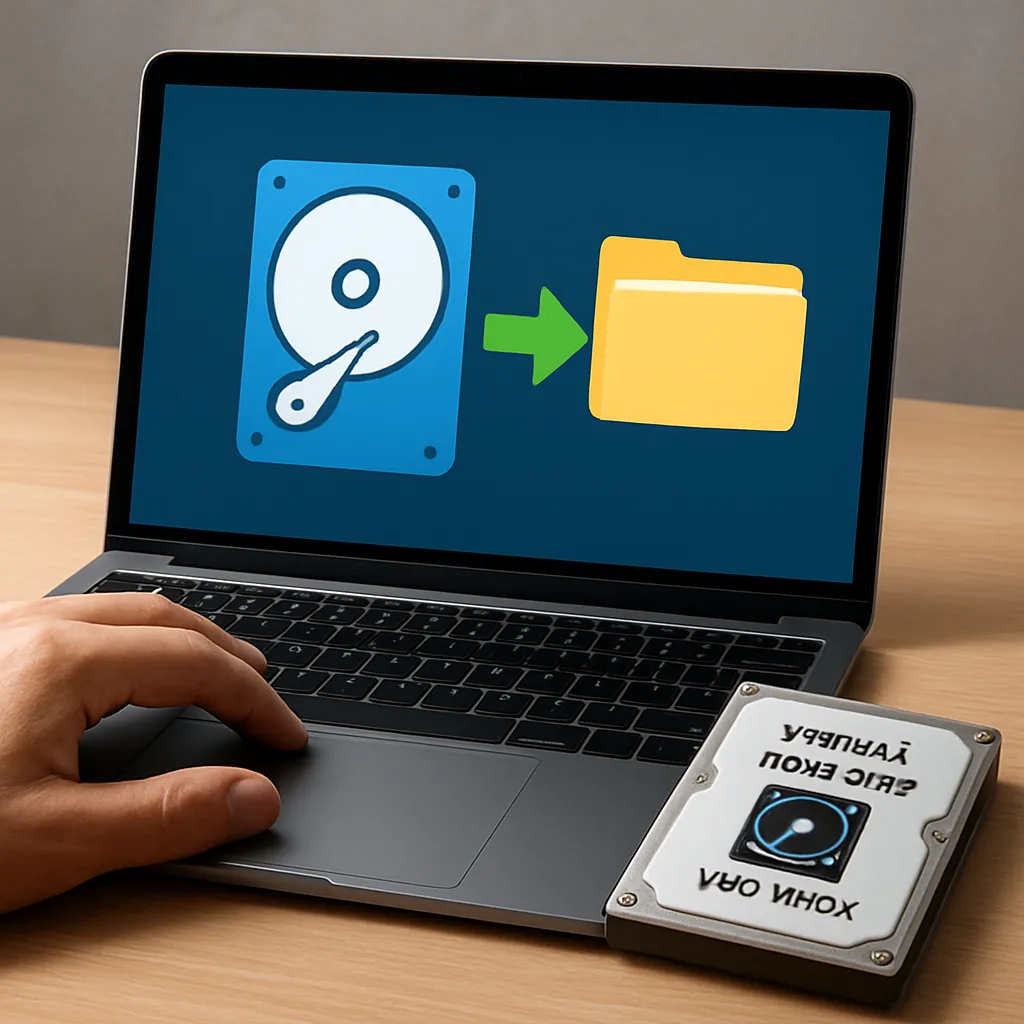
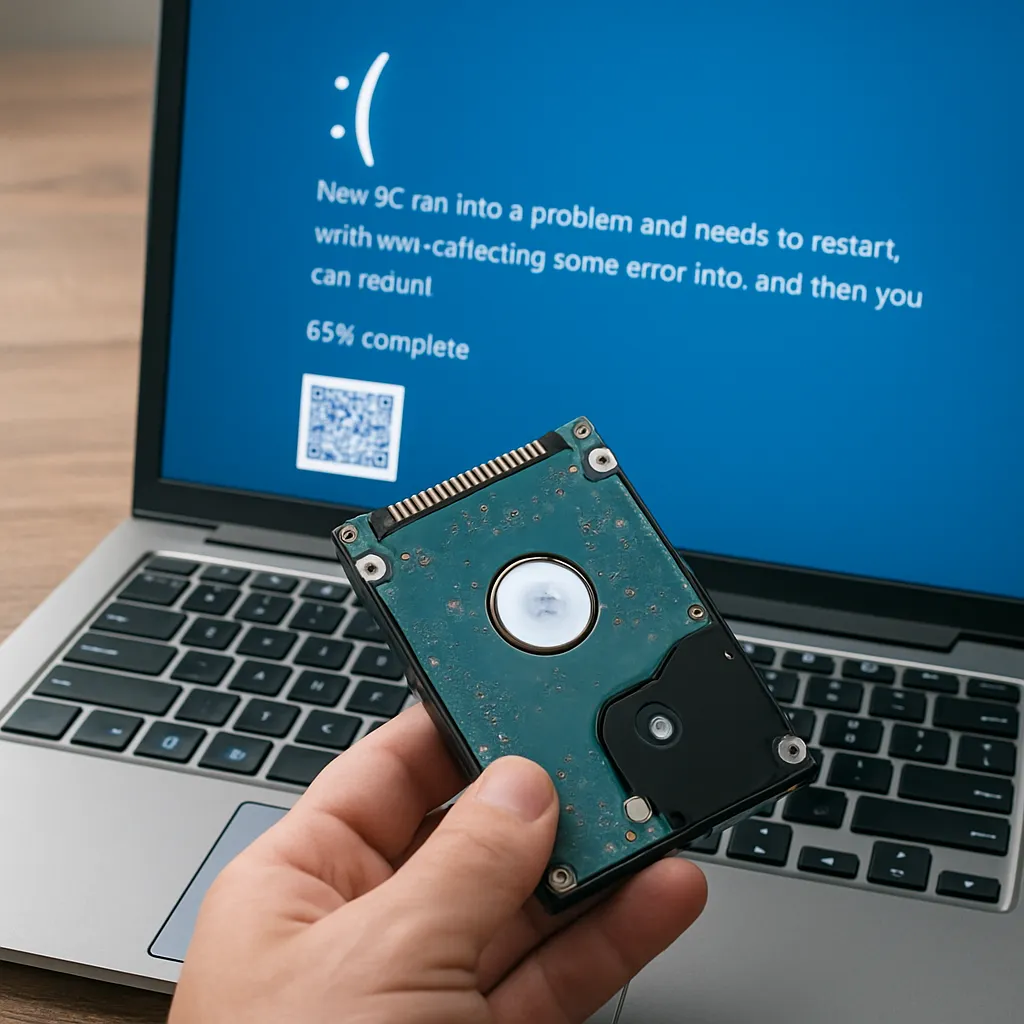
Losing precious memories or critical work documents can spell disaster without the right rescue tools. Fortunately, a range of free applications offers robust data recovery capabilities for Windows users. This article explores why these solutions matter, outlines essential selection criteria, and reviews the top free utilities to help you reclaim lost files with confidence.
The Importance of Free Data Recovery Tools
Accidental deletion, formatting mishaps, or system crashes happen to the best of us. While paid suites boast premium support, many free recovery utilities deliver impressive results for casual and advanced users alike. By relying on a no-cost solution, individuals and small businesses can avoid budget constraints while still benefiting from essential features like scanned previews, file-type filtering, and comprehensive device support.
Quality free software can restore data from hard disk drives, SSDs, USB flash sticks, and memory cards. Whether you face a partition recovery challenge or a simple recycle-bin retrieval, these tools demonstrate how accessible strong recovery can be. They often combine a deep scan engine with intuitive wizards, making it easier to salvage documents, images, videos, and more.
Key Criteria for Selecting Recovery Software
When evaluating a free recovery program, prioritize the following aspects:
- Compatibility with various Windows versions and file systems (NTFS, FAT32, exFAT, etc.).
- Performance in scanning speed and accuracy, minimizing false positives while maximizing found files.
- Reliability of restored files—check for corruption, partial recoveries, or missing metadata.
- User interface clarity and user-friendly wizards for beginners, alongside advanced options for power users.
- Availability of file preview and filtering for quick identification of essential items.
- Support for both file system level and raw data recovery to handle severe corruption.
Also consider limitations such as maximum recoverable data in the free edition or restricted device counts. A balanced evaluation ensures you choose a tool that meets everyday demands without hidden costs.
Top Free Data Recovery Solutions for Windows
Recuva
- Developer: Piriform
- Highlights: Intuitive wizard, secure overwrite, deep and quick scan modes.
- Key Strength: Customizable filters allow you to narrow searches by file type or drive location, minimizing scan times.
Recuva’s interface simplifies recovery tasks. After installation, you select the target drive, choose between a standard or deep scan, and preview recoverable objects. Despite being free, it remains lightweight and regularly updated for Windows 10/11 compatibility.
PhotoRec
- Developer: CGSecurity
- Highlights: Open-source, powerful console-based tool with a sister utility TestDisk.
- Key Strength: Raw file recovery from damaged partitions and formatted media.
PhotoRec excels at detecting lost pictures, documents, and archives by scanning block-level data. While its text-based interface may challenge beginners, it compensates with robust support for dozens of file formats and any storage medium recognized by the OS.
TestDisk
- Developer: CGSecurity
- Highlights: Partition table repair, boot sector reconstruction, and undelete FAT file recovery.
- Key Strength: Ideal for repairing unbootable disks and fixing corrupted partitions without reinstalling Windows.
TestDisk complements PhotoRec by focusing on logical recovery and partition recovery. It can rewrite damaged partition tables to a healthy state, making lost volumes accessible again. Technical users will appreciate step-by-step guidance in its CLI menus.
MiniTool Power Data Recovery Free Edition
- Developer: MiniTool
- Highlights: Clean GUI, multiple recovery modules (Undelete, Digital Media, CD/DVD, Lost Partition).
- Key Strength: Module-based design simplifies choosing the right approach for the task.
MiniTool’s free version limits recovered data to 1GB but provides a polished experience. Its file preview function helps verify files before rescue. It supports disk imaging, enabling safer recovery from failing drives.
EaseUS Data Recovery Wizard Free
- Developer: EaseUS
- Highlights: Attractive UI, quick scan, deep scan, and intelligent search.
- Key Strength: 2GB free recovery allowance and efficient file preview system.
EaseUS balances functionality and accessibility. It guides users through recovery steps with clear prompts and categorizes found files by type, date, and path. The built-in recovery suggestions aid less experienced users in choosing optimal methods.
Disk Drill Free
- Developer: CleverFiles
- Highlights: Comprehensive device support, recovery vault technology, preview options.
- Key Strength: Protects critical files proactively and offers Data Protection features.
Disk Drill’s free tier recovers up to 500MB on Windows and includes disk health monitoring. The data protection module creates an invisible copy of files to simplify future recoveries. Advanced filters enable refined search based on file signature or size.
Best Practices for Successful Recovery
To maximize the chances of retrieving lost information, follow these guidelines:
- Avoid installing recovery tools on the same drive that contains deleted data. Write operations risk overwriting recoverable sectors.
- Work from a separate USB flash drive or secondary internal disk to perform scans and store recovered items.
- Run a preview or quick scan first; if results are unsatisfactory, proceed to a full deep scan.
- Maintain regular backups via cloud services or disk imaging to reduce dependence on recovery software.
- Label rescued files with clear folder names and dates to streamline organization and prevent confusion.
Implementing safe practices preserves drive integrity and improves the overall success rate of each recovery session.
Advanced Recovery Considerations
In more severe cases—such as physical disk damage or complex RAID failures—free tools may reach their limits. You might need professional data recovery labs or paid software with specialized modules. Nevertheless, understanding how partition tables, file allocation tables, and raw sectors interact can empower you to attempt repairs on your own.
Always monitor S.M.A.R.T. status and disk health metrics. Early warning signs like bad sectors or slow read speeds signal you to cease usage and seek expert assistance. Remember that every write operation on a failing disk reduces the likelihood of full recovery.
Conclusion
Free Windows data recovery software has evolved into a reliable resource for everyday file rescues and occasional disaster scenarios. By comparing compatibility, reliability, and advanced functions such as raw data recovery, you can select the tool that aligns with your use case. With proper precautions and timely action, retrieving lost documents, photos, and videos becomes a less intimidating task, even when budgetary constraints apply.