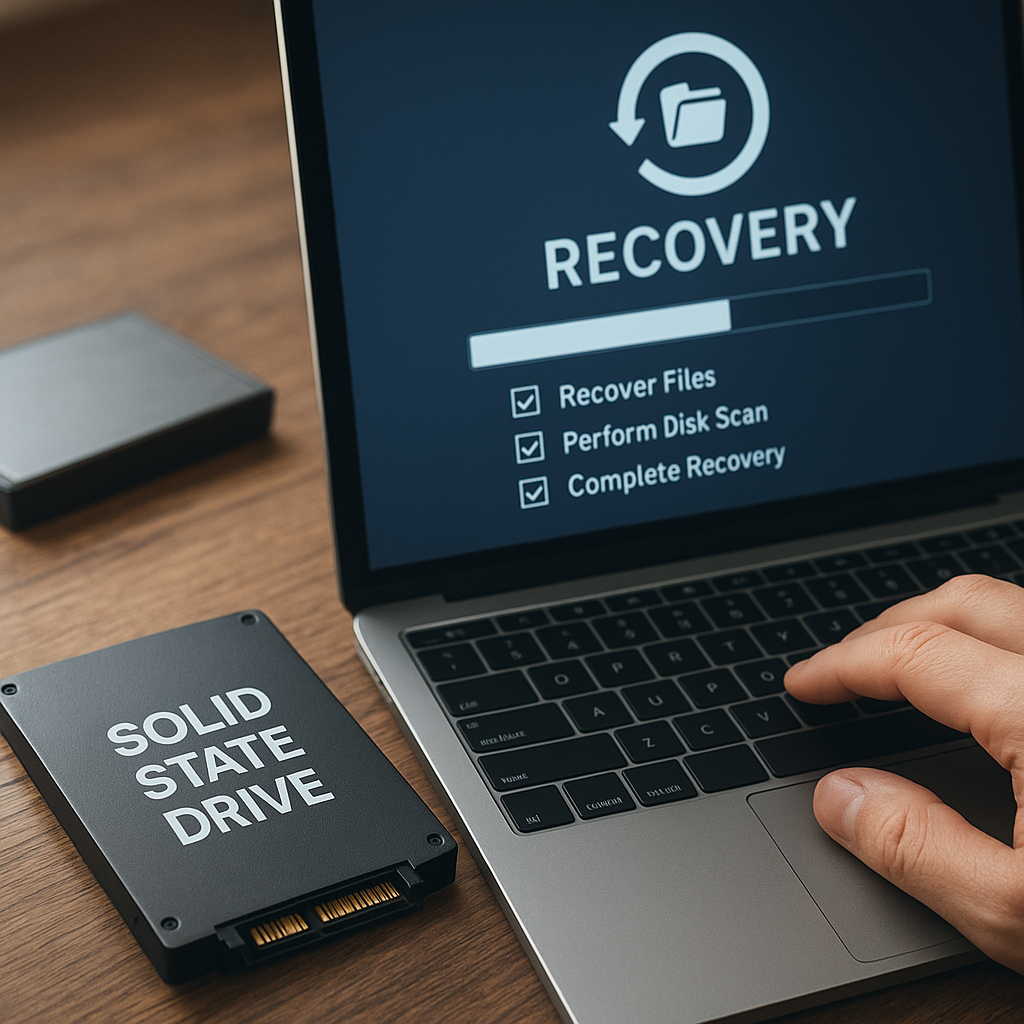
Facing an unexpected SSD failure can be a distressing experience, especially when valuable data seems irretrievably lost. However, with the right approach and specialized recovery tools, it’s often possible to restore files from even a severely crashed solid-state drive. This comprehensive guide covers the essential steps to evaluate the damage, select an effective recovery utility, carry out the restoration process, and implement strategies to safeguard your information against future incidents.
Understanding the Causes and Stages of SSD Failure
1. Common Failure Scenarios
Solid-state drives can fail for a variety of reasons, ranging from physical wear to logical errors. Identifying the root cause is vital before attempting any recovery operation:
- Firmware corruption: A faulty firmware update or internal glitch can render the drive unreadable.
- Controller damage: The drive’s controller may malfunction, preventing access to stored data.
- Logical errors: File system corruption or accidental formatting can delete directory structures without physically erasing blocks.
- Electrical failures: Power surges and sudden shutdowns can damage memory cells or circuit components.
2. Recognizing Failure Symptoms
Before proceeding, conduct a quick diagnosis to distinguish between soft errors and permanent hardware damage:
- No drive detected in BIOS or Disk Management.
- Drive recognized but inaccessible or prompts file system checks repeatedly.
- Throttle in performance with frequent read/write errors.
- SMART warnings indicating high Reallocated Sector Count or wear-level thresholds reached.
Selecting the Right Recovery Software
Key Criteria for Evaluation
When exploring recovery utilities, consider these essential attributes to ensure compatibility and success:
- Compatibility: Support for NVMe, SATA, and proprietary SSD encryption schemes.
- Advanced scanning algorithms capable of reconstructing damaged file tables.
- Preview features that allow verification of recoverable items before committing changes.
- Avoiding write operations on the damaged SSD – opt for software that lets you create disk images for offline analysis.
- Availability of backup or cloning modules to secure your data quickly.
Recommended Recovery Tools
Several commercial and open-source options have earned reputations for reliability:
- Tool A: Known for intuitive interface and deep scan capabilities.
- Tool B: Offers a modular approach with separate utilities for imaging, scanning, and file repair.
- Tool C: Free solution ideal for logical error recovery, with a broad range of supported file systems.
Executing the File Restoration Process
Step 1: Creating a Stable Work Environment
Preparation is critical. Follow these guidelines to prevent further harm:
- Work on a secondary system or use a bootable recovery software USB drive.
- Connect the crashed SSD via a reliable interface (e.g., USB 3.1 or SATA-to-USB adapter).
- Disable any automatic repair prompts from the operating system to avoid accidental overwrites.
Step 2: Imaging the Failing SSD
Generating a complete image preserves the original drive’s state, enabling multiple recovery attempts without risking additional damage:
- Use your chosen tool’s clone or imaging feature to capture every sector.
- Store the image on a healthy drive with sufficient capacity.
- Verify the integrity of the image by comparing checksums (e.g., MD5, SHA-256).
Step 3: Deep Scanning and File Extraction
With the disk image ready, execute a thorough scan to detect lost structures and recoverable files:
- Perform a quick scan first to locate recently deleted files.
- Proceed to a full scan if the quick scan yields insufficient results.
- Leverage file carving techniques that reconstruct data fragments by signature matching.
- Utilize built-in filters to target specific file types (e.g., documents, images, databases).
Step 4: Verifying and Saving Recovered Files
After extraction, carefully verify the health and completeness of recovered items:
- Open a representative sample of each file type to ensure readability.
- Check for integrity errors, such as truncated content or missing metadata.
- Consolidate files into organized folders on a separate storage medium.
Preventive Measures and Best Practices
Implementing Regular Backup Strategies
Backup routines remain the most effective defense against data loss. Establish a 3-2-1 backup plan:
- Maintain three copies of your data (primary, local backup, off-site storage).
- Utilize two different storage media (e.g., SSD and cloud storage).
- Keep one copy off-site or cloud-based to guard against local incidents.
Monitoring SSD Health
Proactive monitoring can detect early signs of damage:
- Regularly review SMART attributes using dedicated utilities.
- Set up alerts for critical thresholds, such as total bytes written or bad block counts.
- Schedule semi-annual health checks to ensure ongoing performance.
Adhering to Safe Shutdown Protocols
Uncontrolled power losses can induce corruption:
- Use an uninterruptible power supply (UPS) for desktop systems.
- Avoid abrupt removal of external SSDs during active data transfers.
- Enable the operating system’s safe eject feature before disconnecting drives.