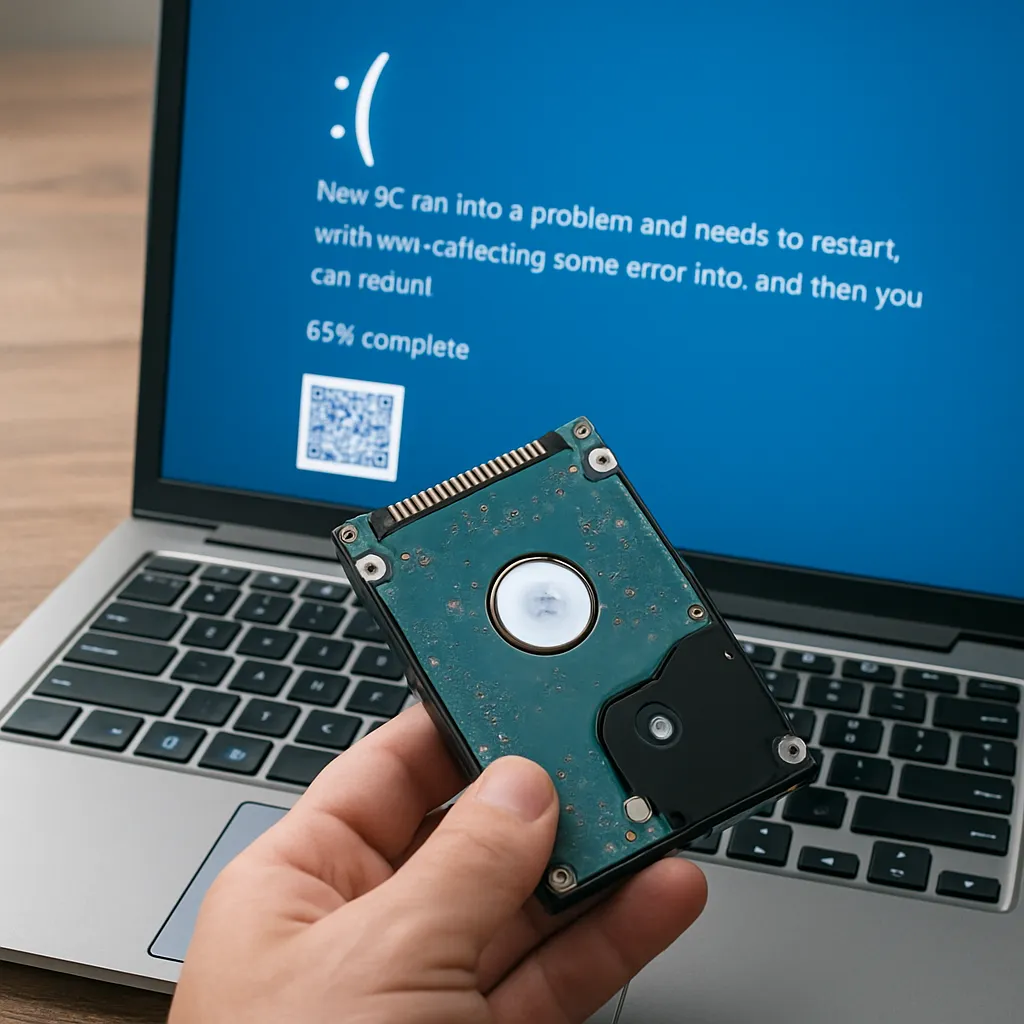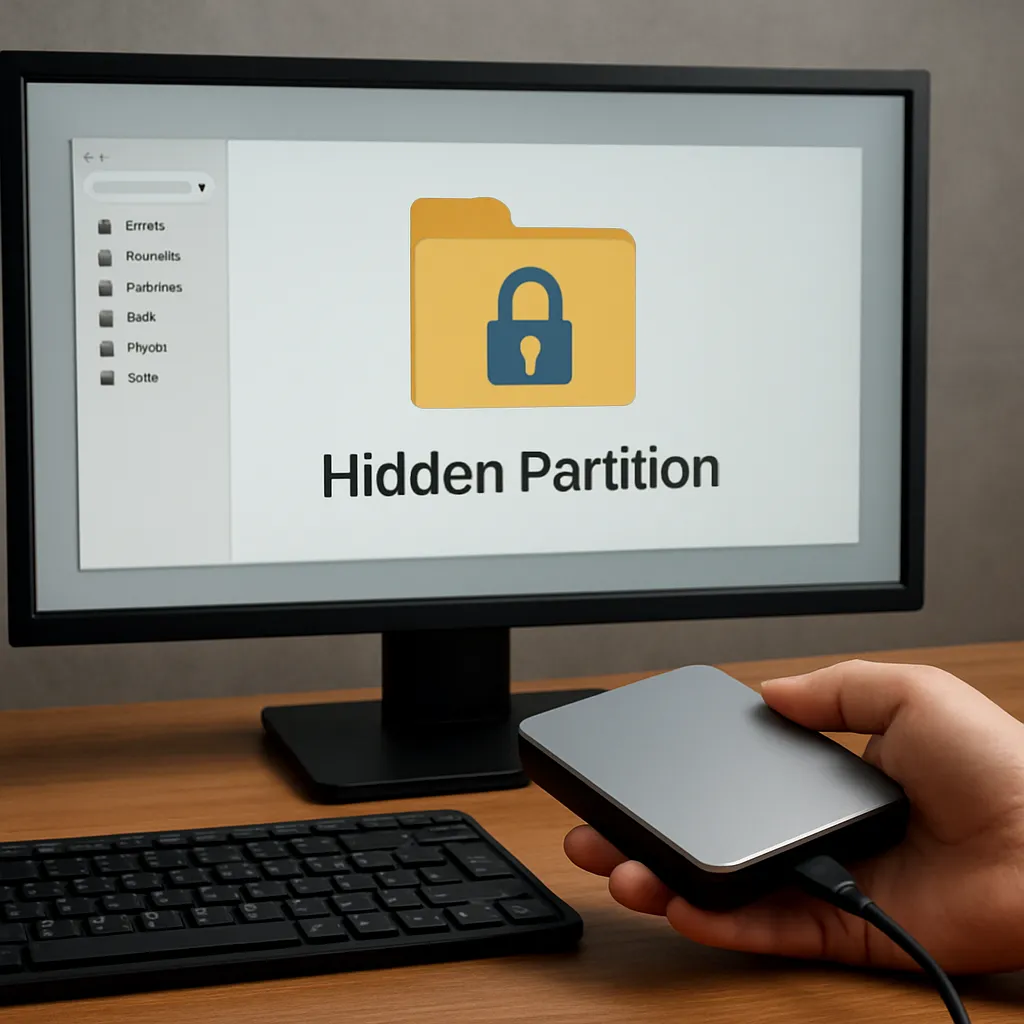
Retrieving valuable data from a hidden partition can feel like navigating a labyrinth without a map, but with the right know-how and tools, you can bring lost files back into the light. This guide walks you through the essentials of uncovering concealed storage areas, selecting effective recovery software, and employing best practices to safeguard your digital assets.
Understanding Hidden Partitions and Data Loss
Operating systems and hardware manufacturers sometimes create hidden partitions for recovery or diagnostic purposes. These partitions may not appear in standard file explorers and often remain inaccessible to casual users. While designed to protect system integrity, they can also obscure critical documents if accidentally overwritten or damaged.
What is a Hidden Partition?
- A reserved segment on your drive that does not carry a drive letter.
- Often contains system images, factory defaults, or proprietary tools.
- Invisible to most file managers but listed in the partition table.
Common Causes of Data Loss
- Accidental deletion or formatting of the hidden area.
- Corruption in the file system due to power failures or malware.
- Faulty drive firmware updates or BIOS adjustments.
When the hidden partition’s header or signature is compromised, the operating system might fail to recognize its presence. Even if the partition still hosts your documents, they become effectively lost until proper recovery steps are taken.
Selecting the Right Recovery Software
Not all data retrieval tools are created equal. Choosing software with specialized features for dealing with concealed volumes can dramatically increase your chances of successful data recovery and reduce the risk of further damage.
Key Features to Look For
- Disk imaging capability: Clone the entire drive to preserve the original state before any modifications.
- Sector-level scanning: Detect and rebuild partitions by examining every sector for lost signatures.
- File signature analysis: Identify orphaned files by their headers, enabling raw recovery even if the partition table is damaged.
- Support for multiple file systems (NTFS, FAT32, exFAT, Ext4, and more).
- An intuitive interface with preview functions, so you can verify lost files before restoration.
Top Picks in the Market
- Software A: Excels in cloning and advanced sector-by-sector scanning.
- Software B: Lightweight tool with powerful raw recovery for media files.
- Software C: Enterprise-grade, ideal for recovering corporate databases from hidden partitions.
Before diving into recovery, always create a full backup of your remaining data. By working on an image instead of the live drive, you shield yourself from irreversible mistakes and ensure a reliable fallback.
Step-by-Step Guide to Restoring Files
Armed with the right application, follow these systematic steps to bring your files back from the abyss:
-
Disk Imaging
- Connect an external drive with sufficient capacity.
- Use your chosen software’s cloning tool to create a bit-by-bit image of the entire source disk.
-
Partition Discovery
- Load the disk image into the recovery environment.
- Run a complete scan for lost partitions; the tool will analyze the partition table and sector patterns.
-
File System Reconstruction
- Once a hidden partition is flagged, let the software rebuild its file system metadata.
- Verify the recovered directory tree to ensure folder structures are intact.
-
File Preview and Selection
- Browse through identified items using the preview feature.
- Select the essential documents, images, or databases for extraction.
-
Extraction to Safe Location
- Choose a different drive (never the original source) to avoid data loss from overwriting.
- Initiate the recovery process and monitor progress until completion.
Advanced Techniques and Best Practices
For complex scenarios—such as multiple nested partitions or severely corrupted headers—additional strategies can make the difference between success and permanent loss.
Clone Verification
After creating a disk image, run a hash comparison (MD5 or SHA-1) between the source and the clone. This ensures data integrity before any operations commence on the image.
Signature Search and Custom Filters
- Enable file signature databases within the recovery tool to catch uncommon formats.
- Create custom file masks based on unique header patterns when dealing with proprietary file types.
Hex-Level Editing
- In situations where automatic scanning fails, use a hex editor to locate partition headers manually (e.g., NTFS uses “NTFS ” at sector offsets).
- Repair or reconstruct the partition table entries and boot sector parameters by copying known-good templates.
Maintaining Regular Backups
Prevention is always superior to recovery. Implement a 3-2-1 backup strategy:
- Keep three total copies of your data.
- Store backups on two different media types.
- Maintain one copy offsite or in the cloud.
Frequent backups ensure that you won’t have to grapple with hidden partitions and elaborate recovery workflows in the future.